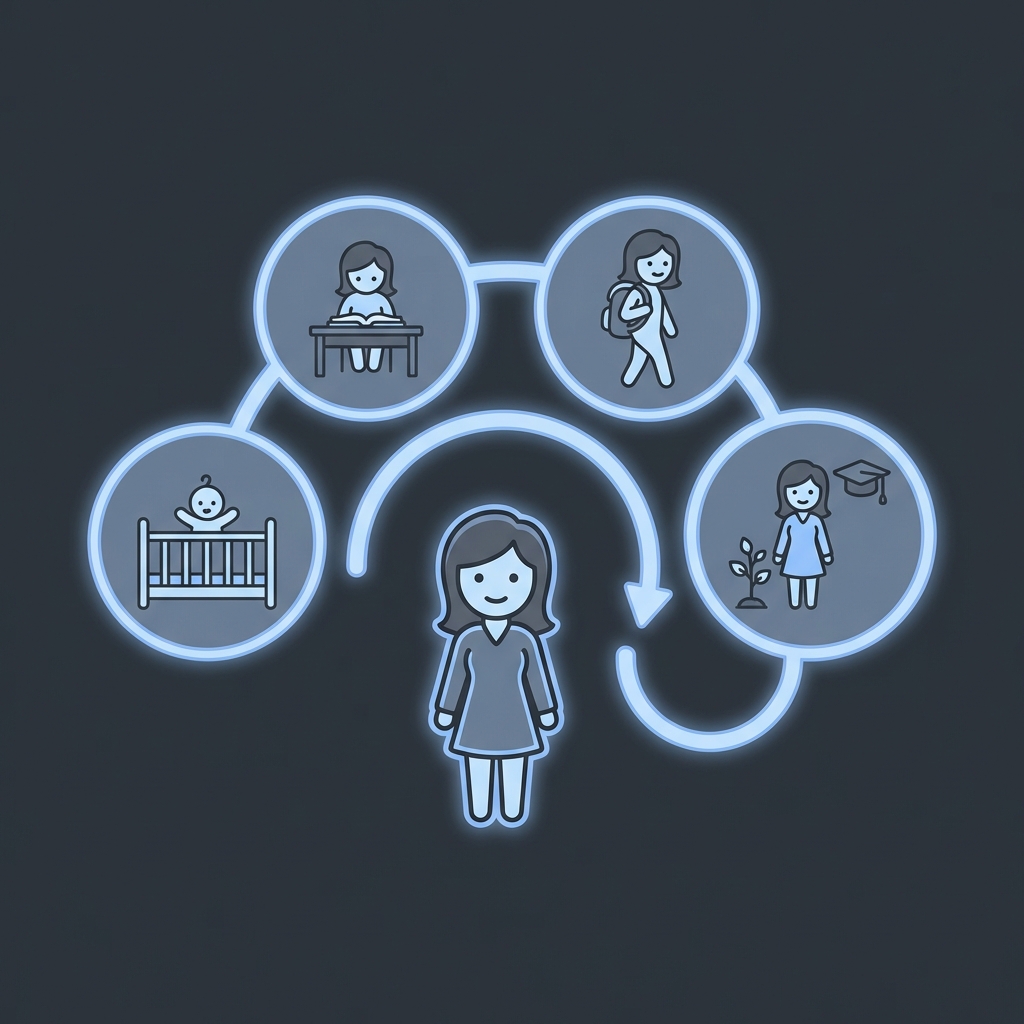
The Seasons of a Life: The Formation Years
When everything is new and the manual is missing
Insights on mental load, attention, and meaningful living
When everything is new and the manual is missing

What gets deprioritized when output is the only metric

What behavioral science says about environment design

Not all downtime is recovery
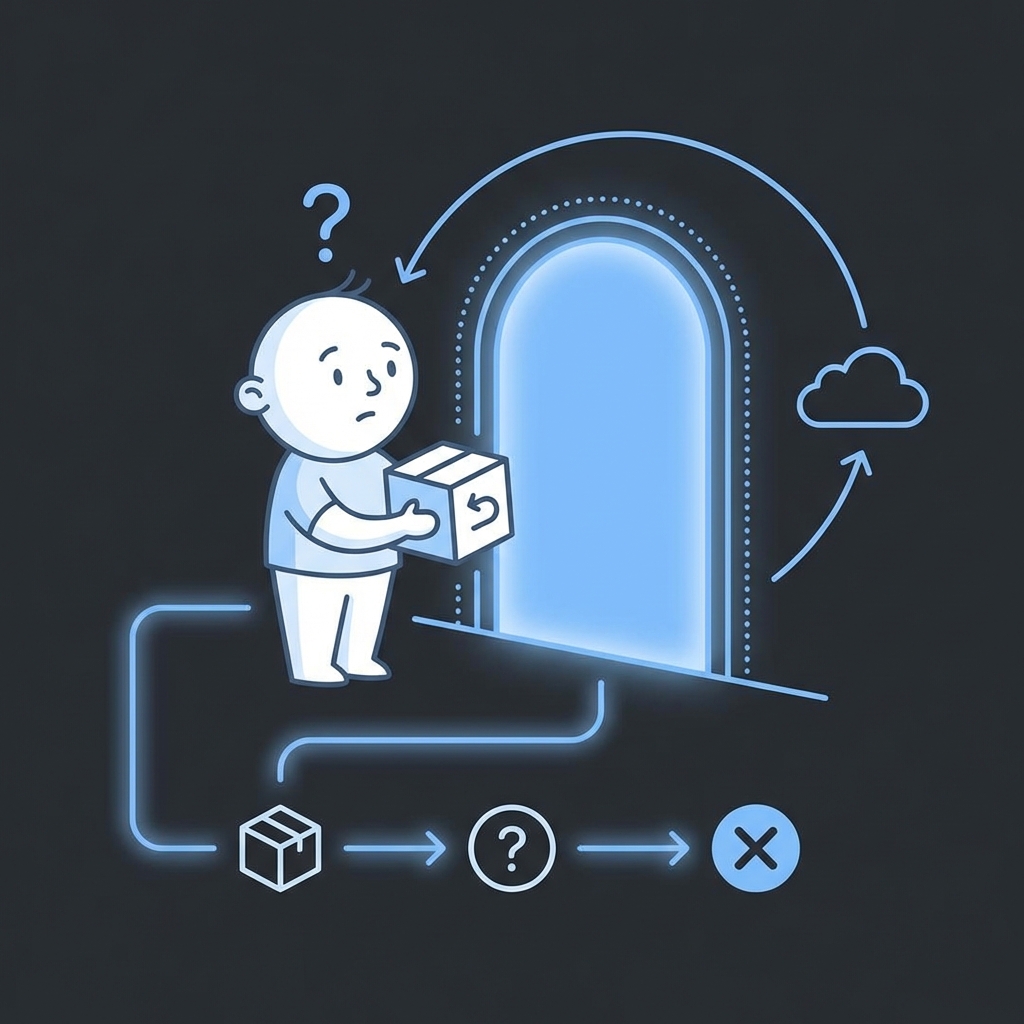
Why you can give tasks back — and how
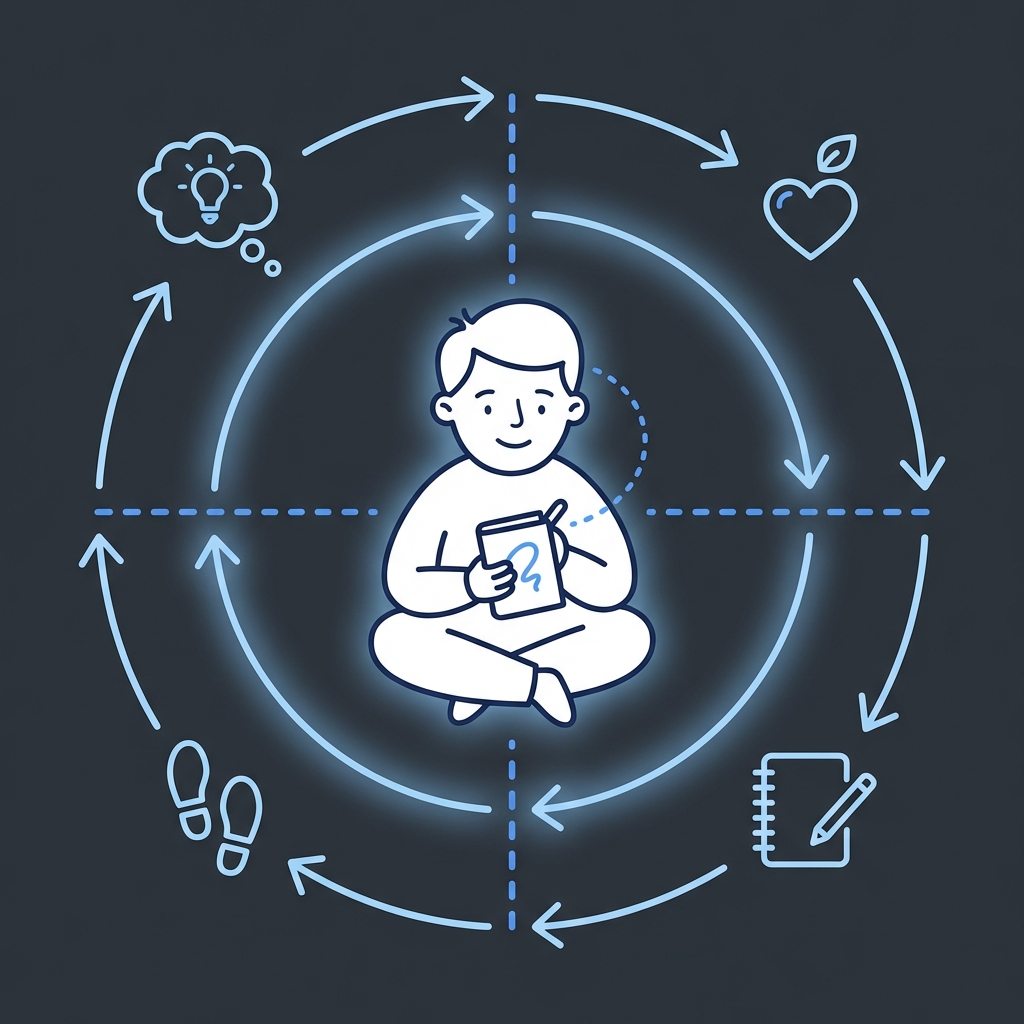
Slowing down to see where you actually are
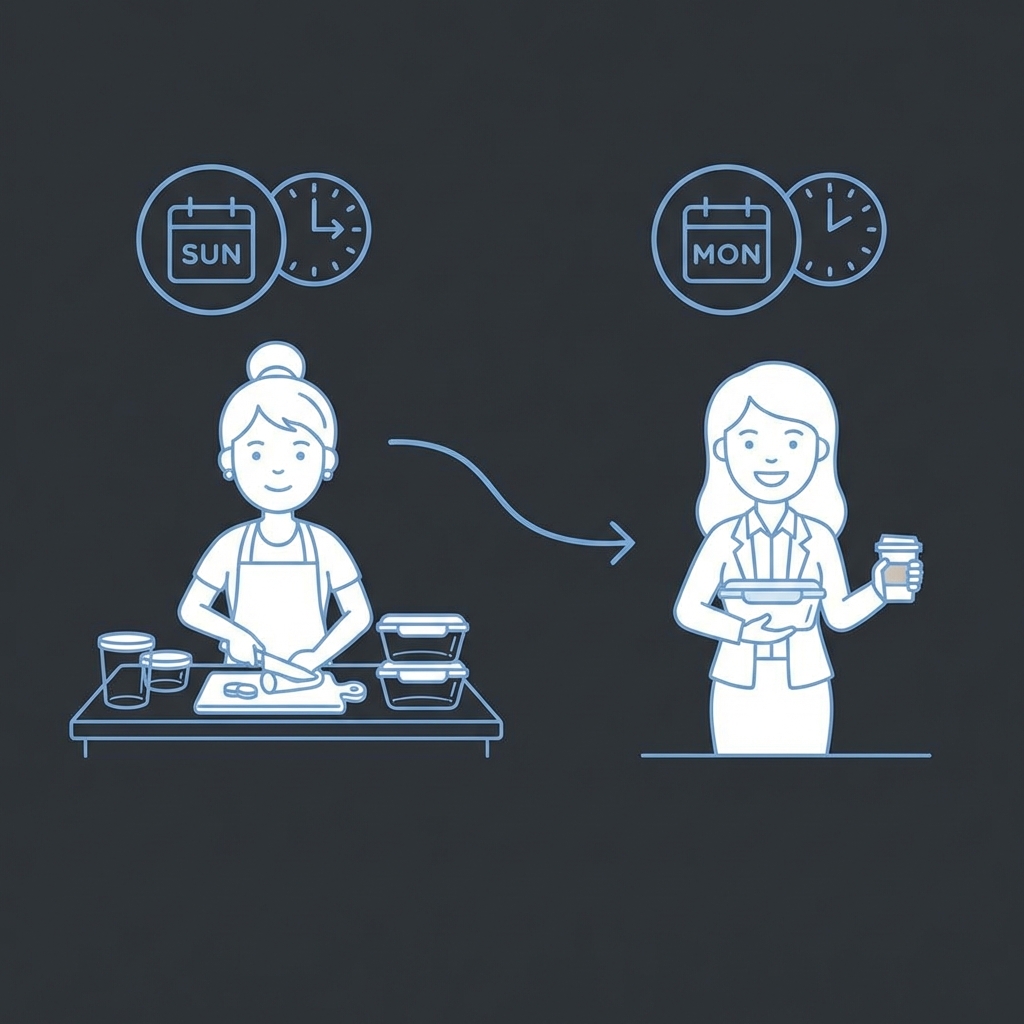
A small ritual with a big downstream effect

Every phase carries its own invisible weight
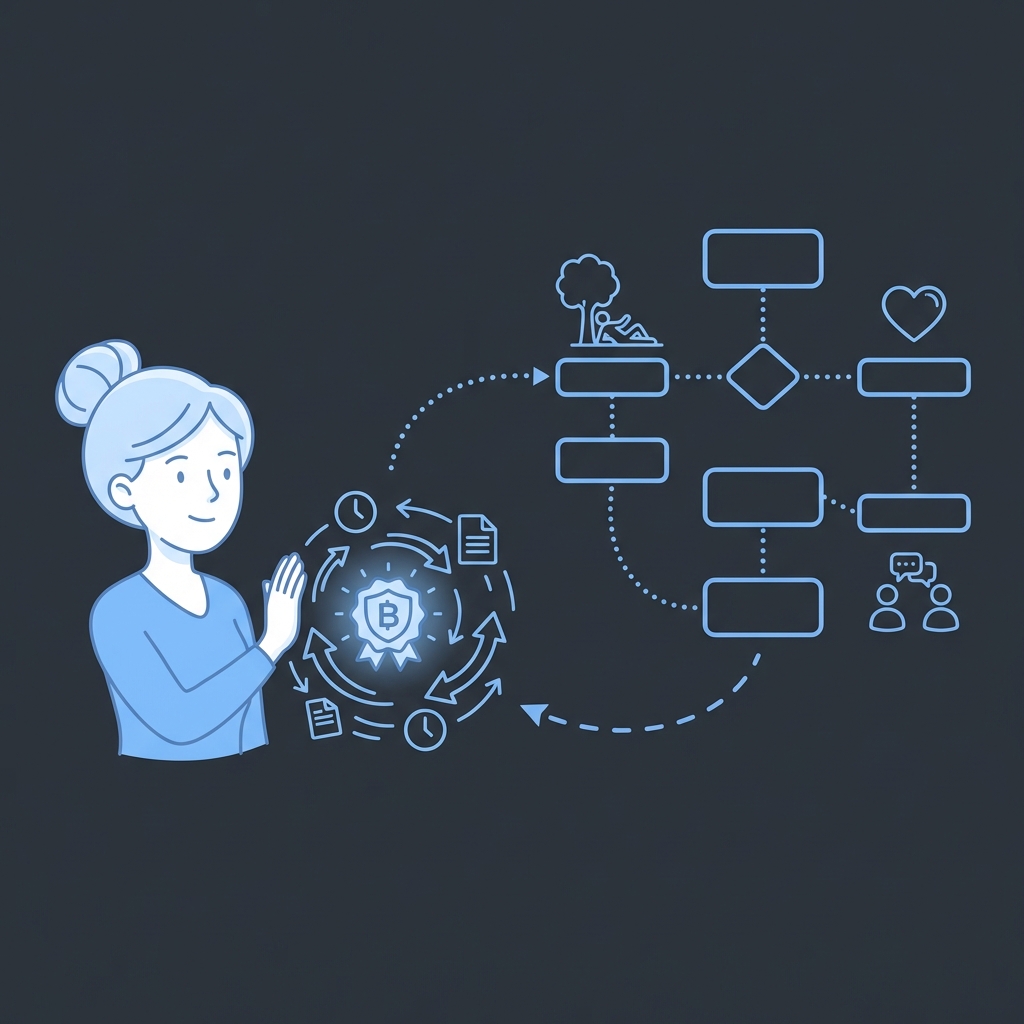
Why we perform exhaustion — and what it costs us
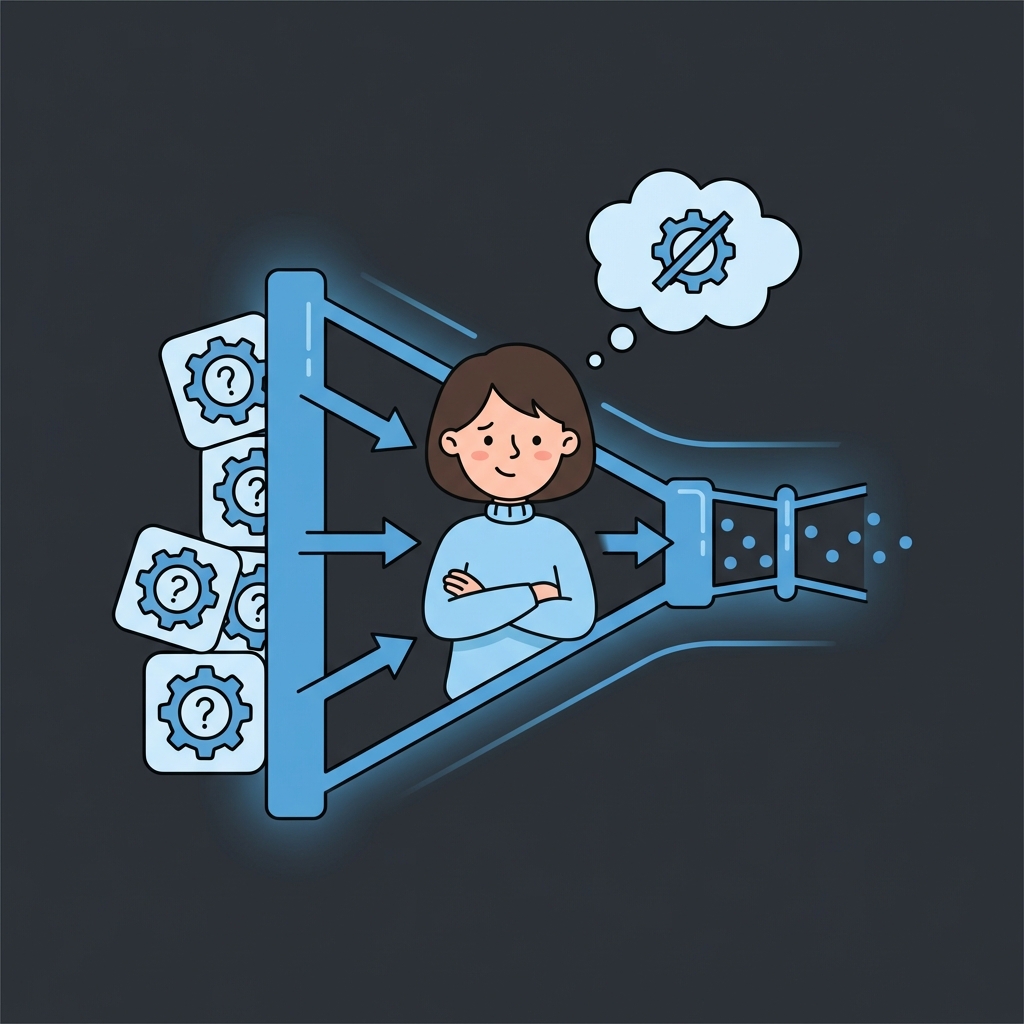
What systems theory says about single points of failure
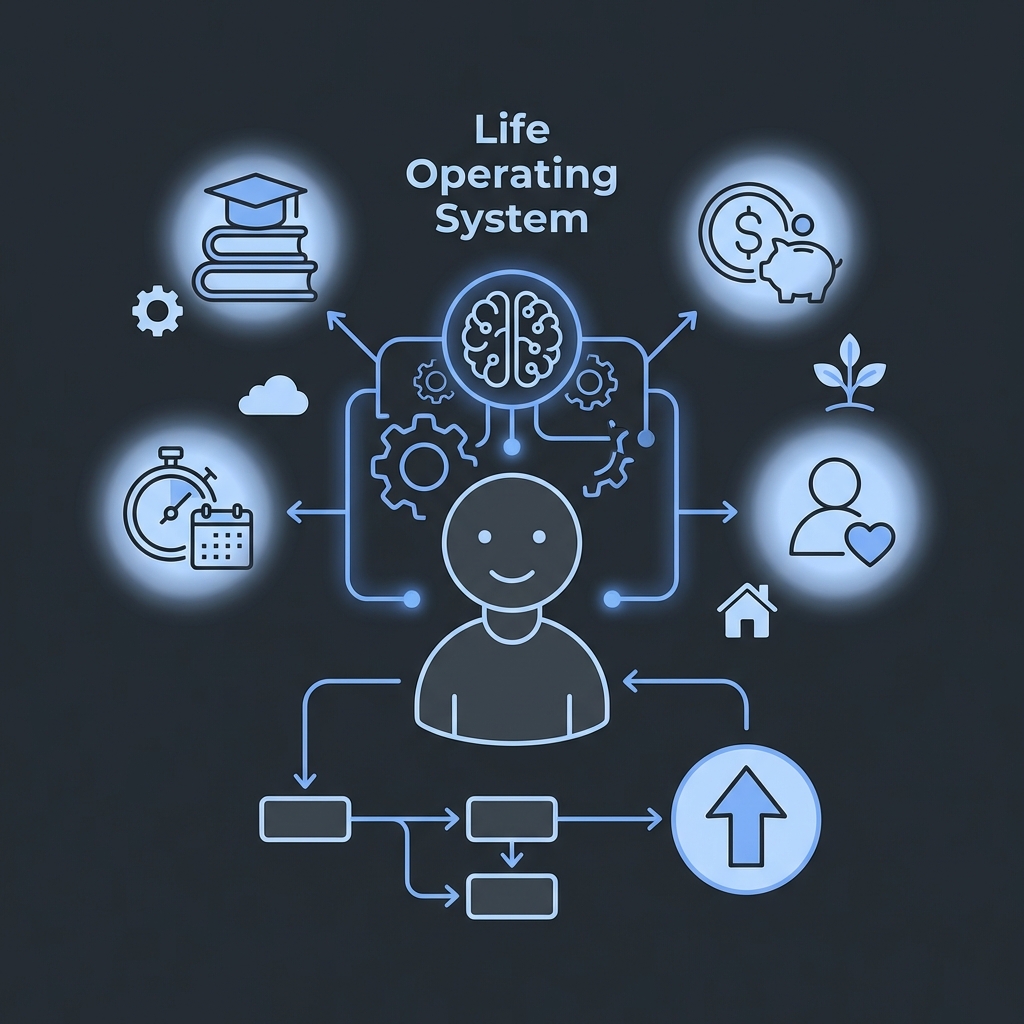
Support that connects the dots across your whole life
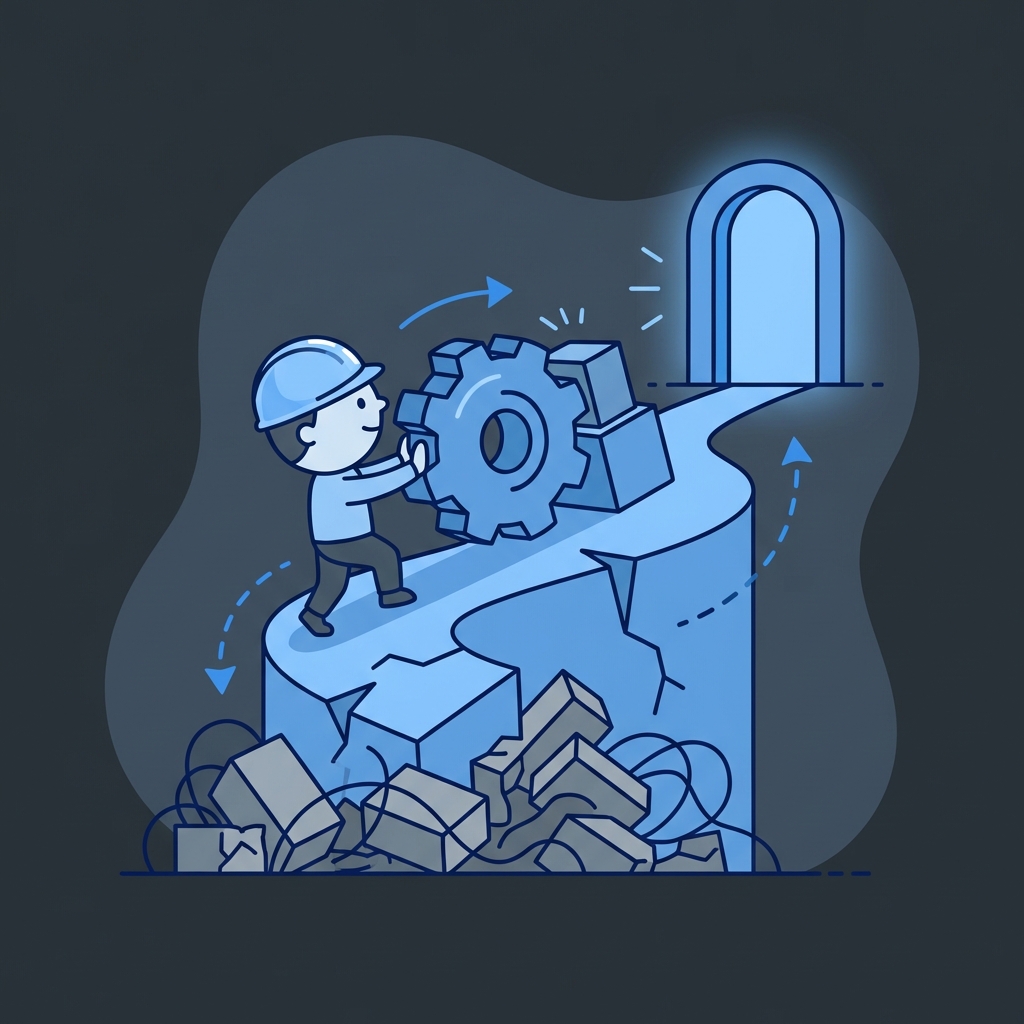
Why slipping doesn’t mean you failed—it means you’re human
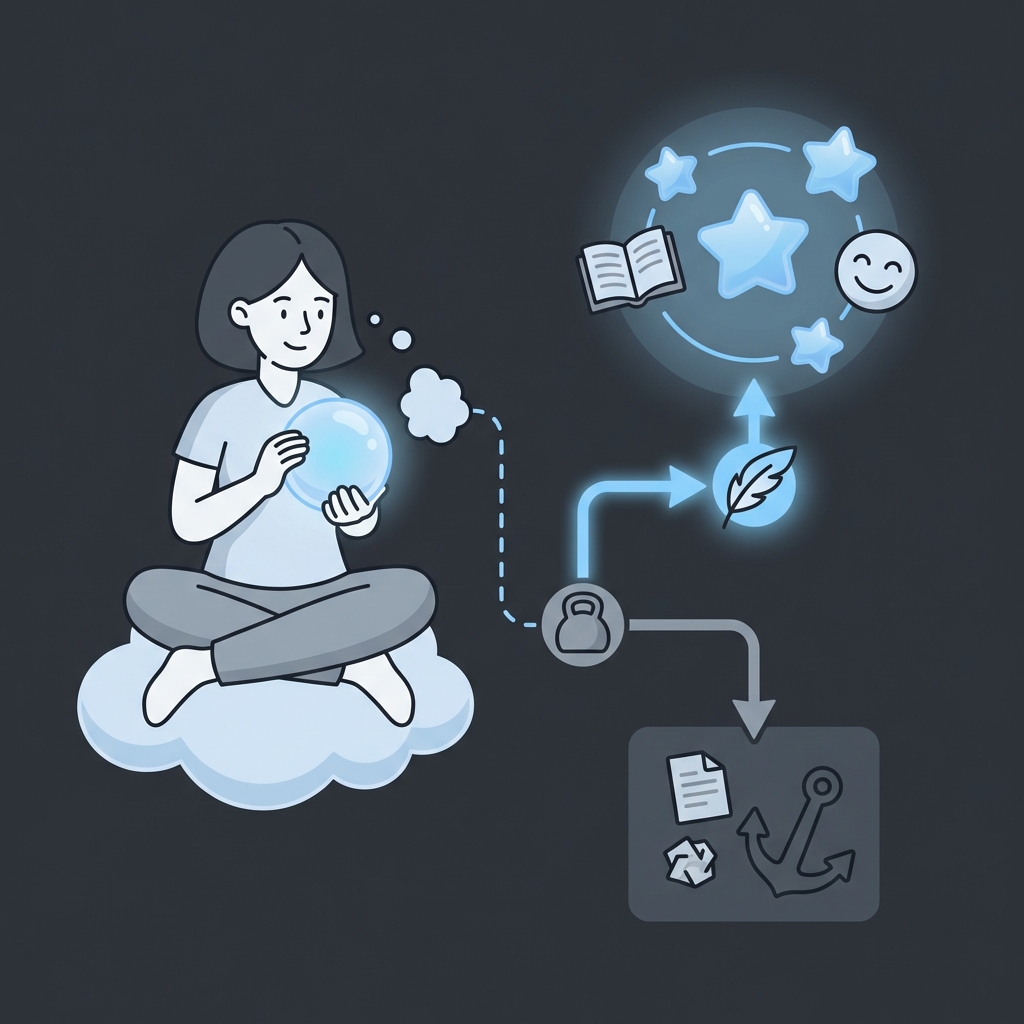
Not what you achieved—what you stopped carrying

Systems are a way of saying ‘I care’
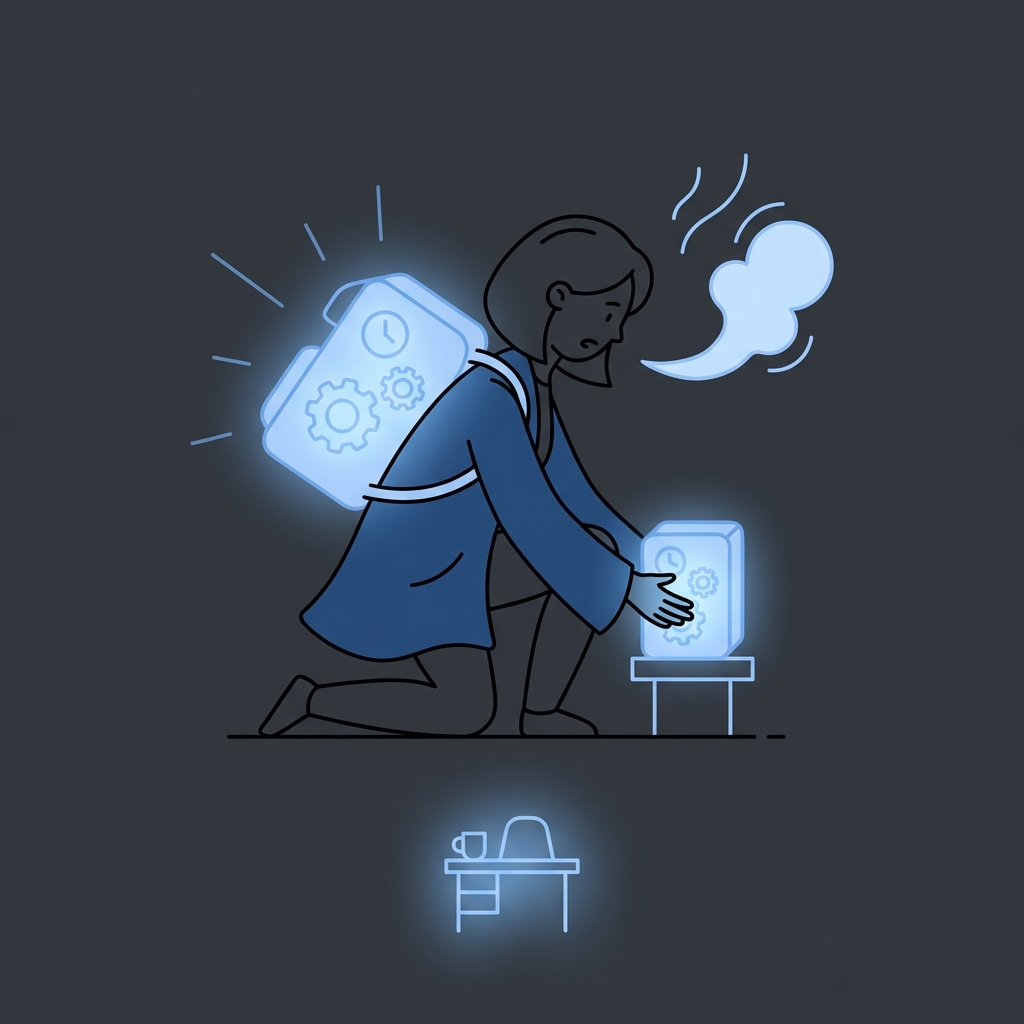
What life looks like when someone else holds the load
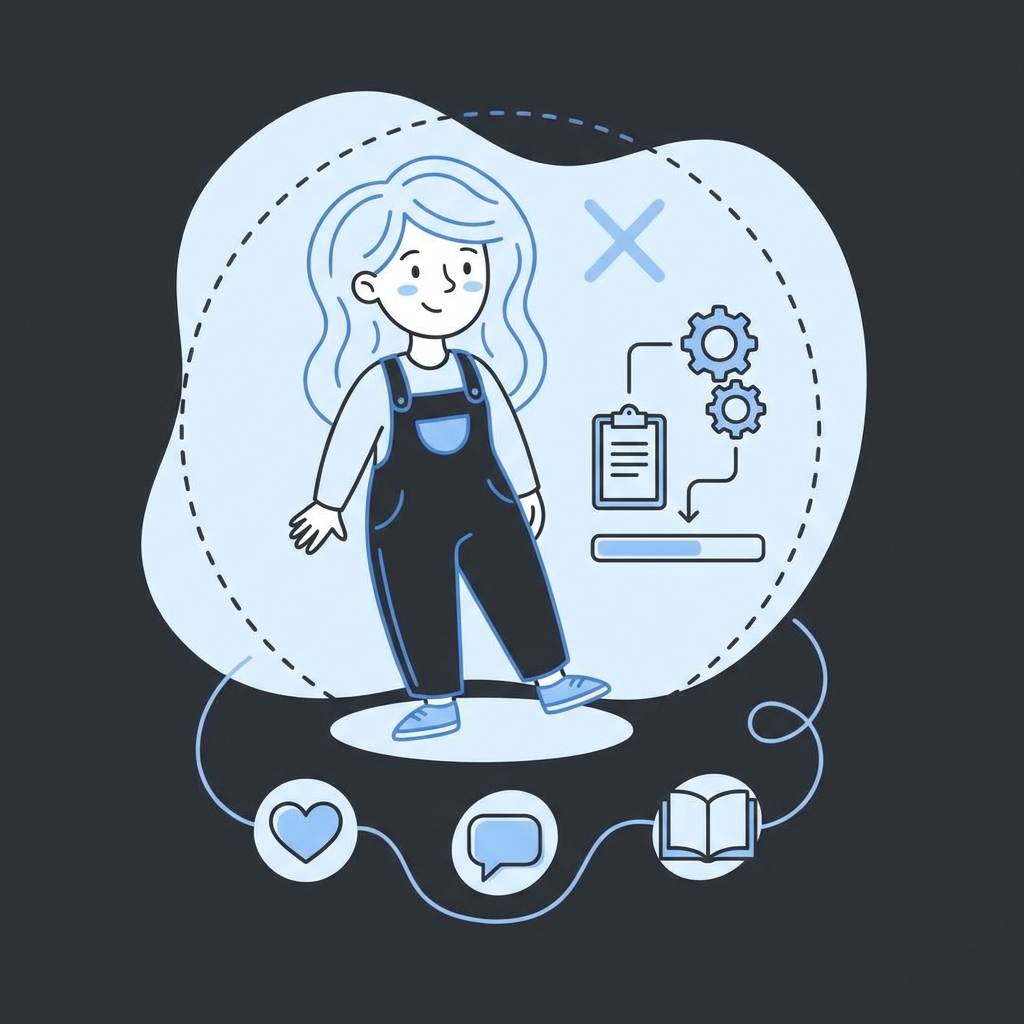
Why ‘life as a sprint’ keeps breaking us
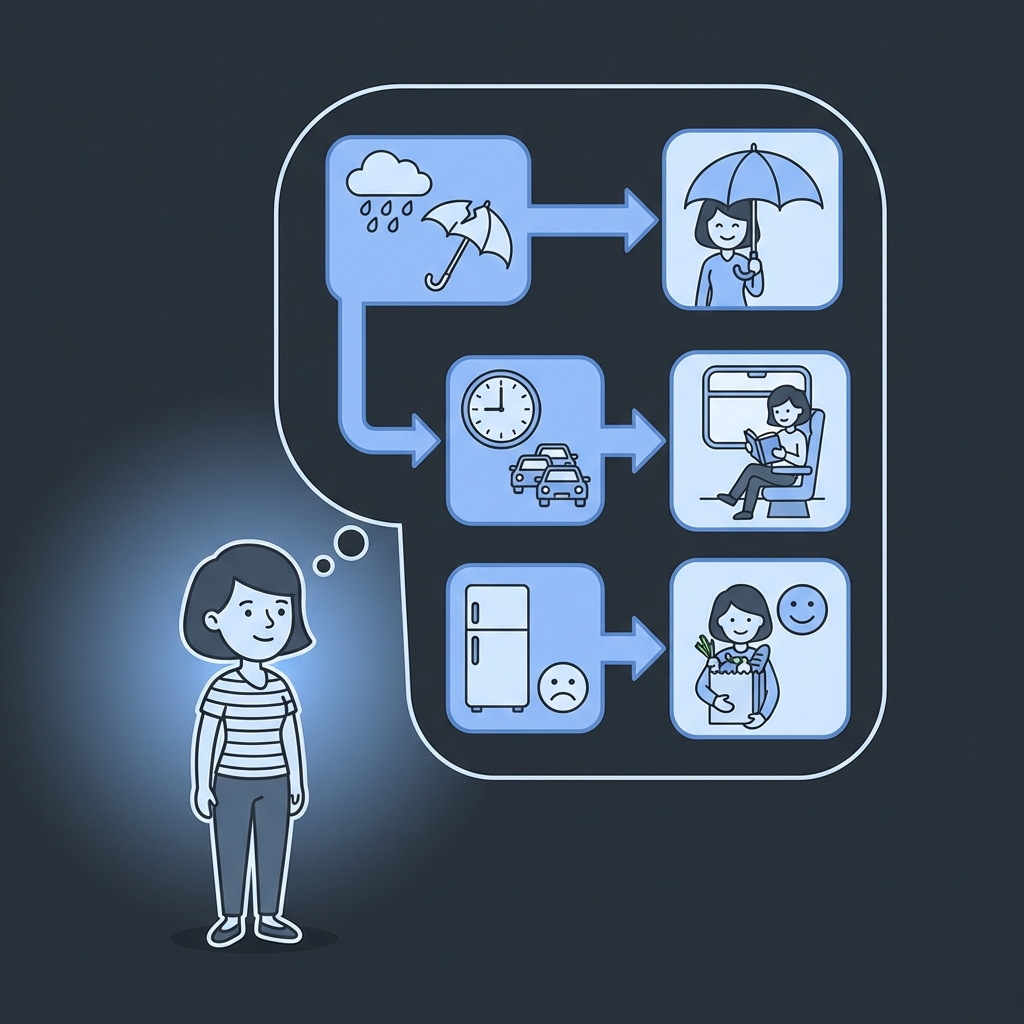
How implementation intentions reduce mental load
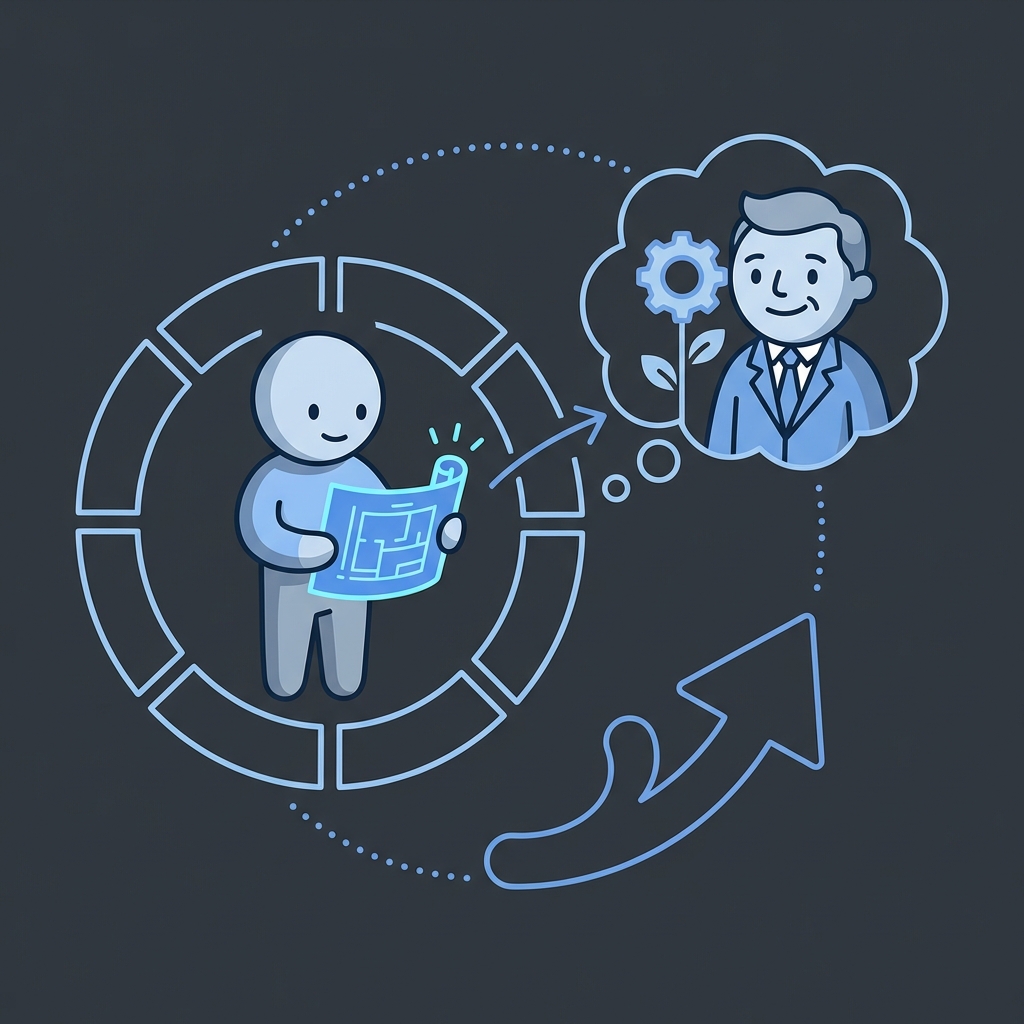
Why planning is an act of care, not control

All the follow-ups you’re running in the background
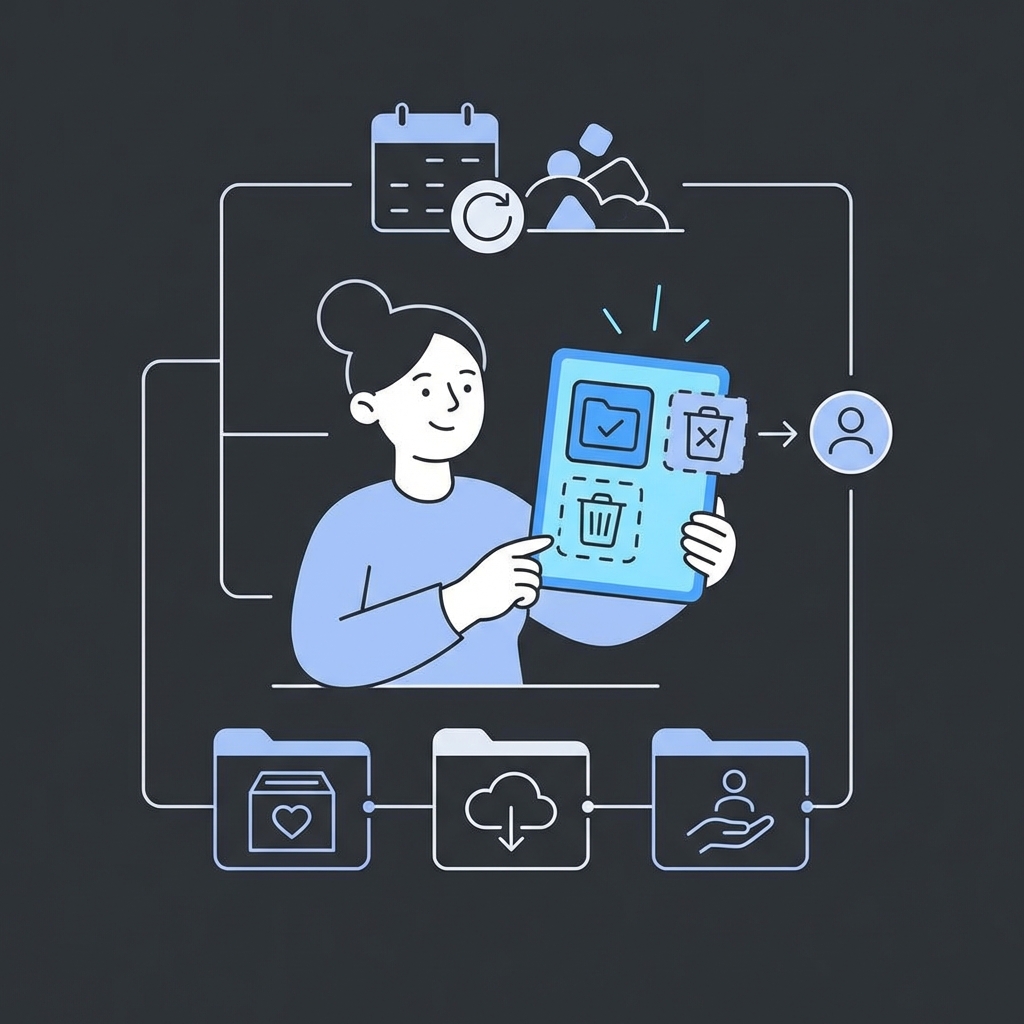
A kinder way to choose what stays

Keeping people connected takes invisible work

The exhausting effort of problems you prevented before anyone noticed
And many of us are paying with our lives
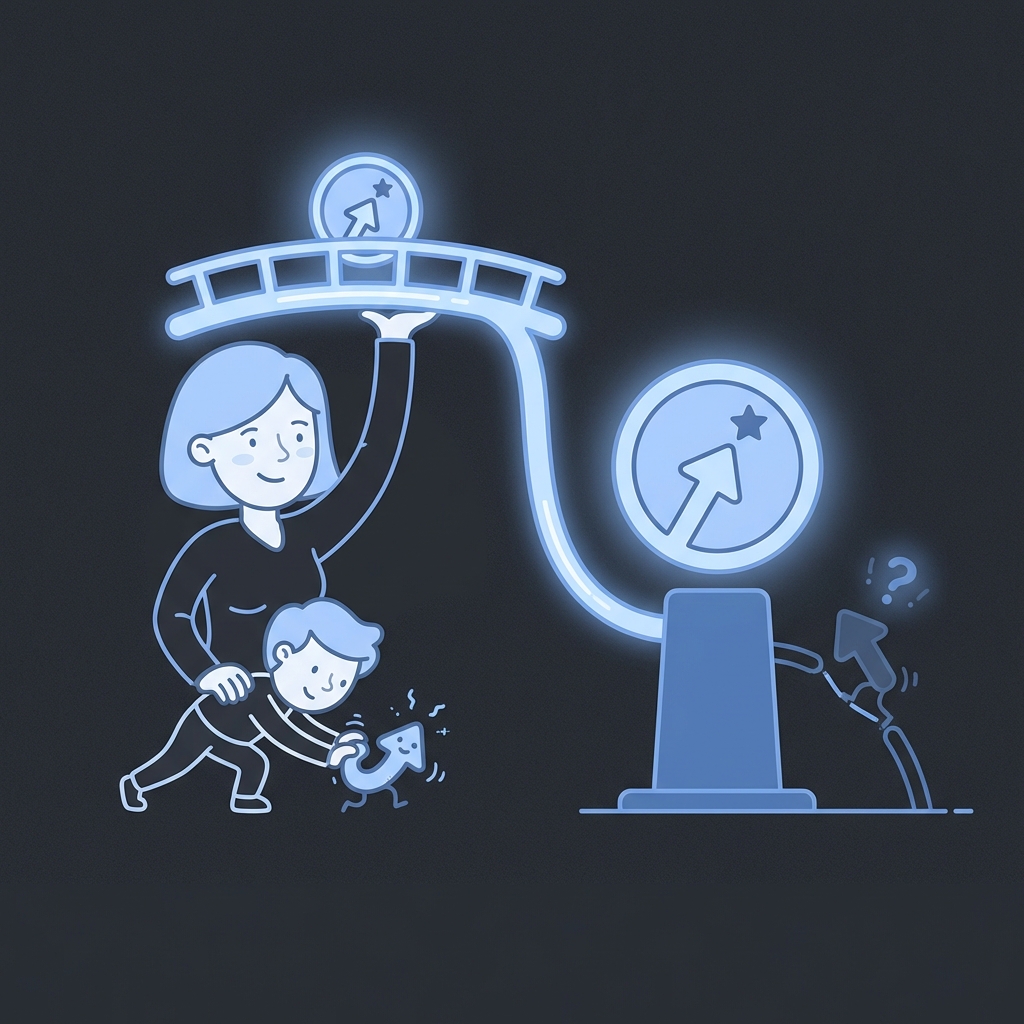
What changes when you stop going alone
Why inspiration dies under logistics
How tiny tasks quietly consume whole days
The mismatch that creates resentment

The nervous system recognizes relief

The full-time job of knowing, remembering, and tracking things for everyone
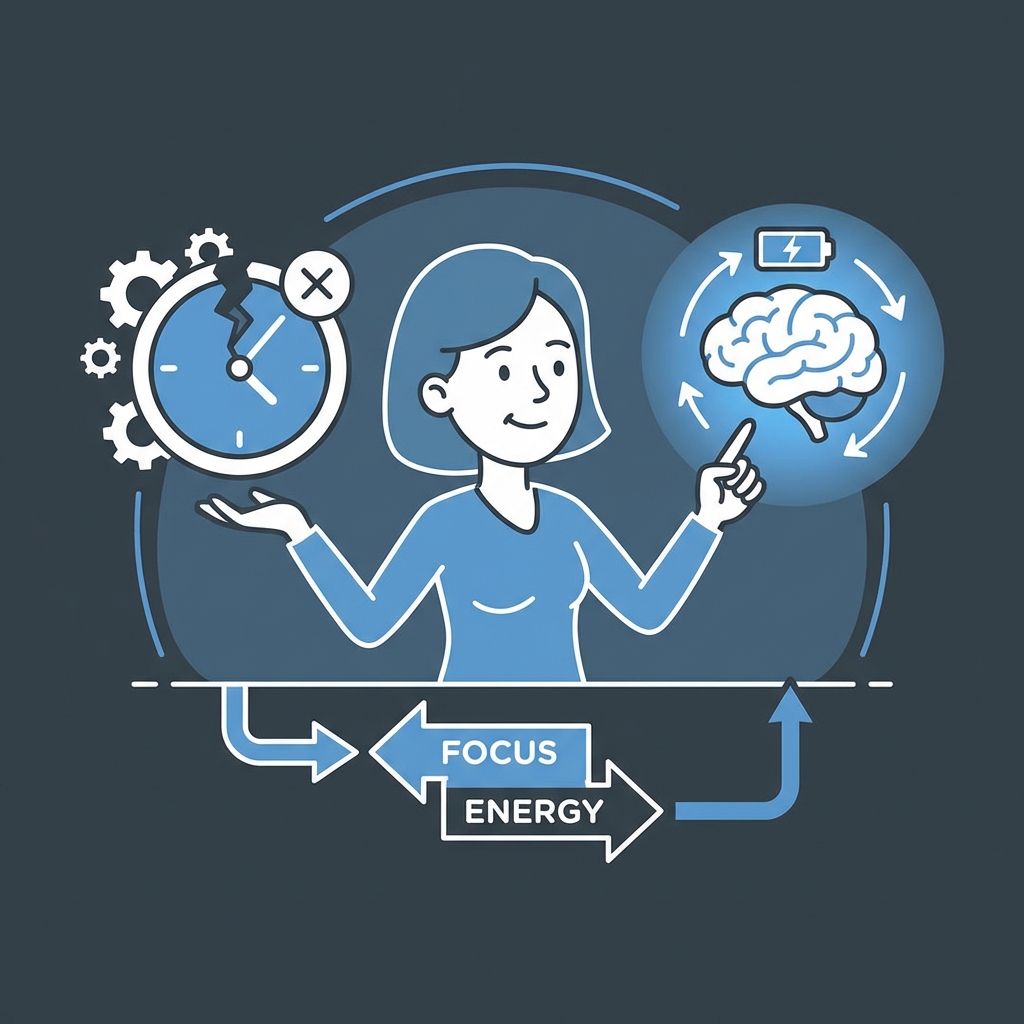
You can’t manage time—you manage attention and commitments
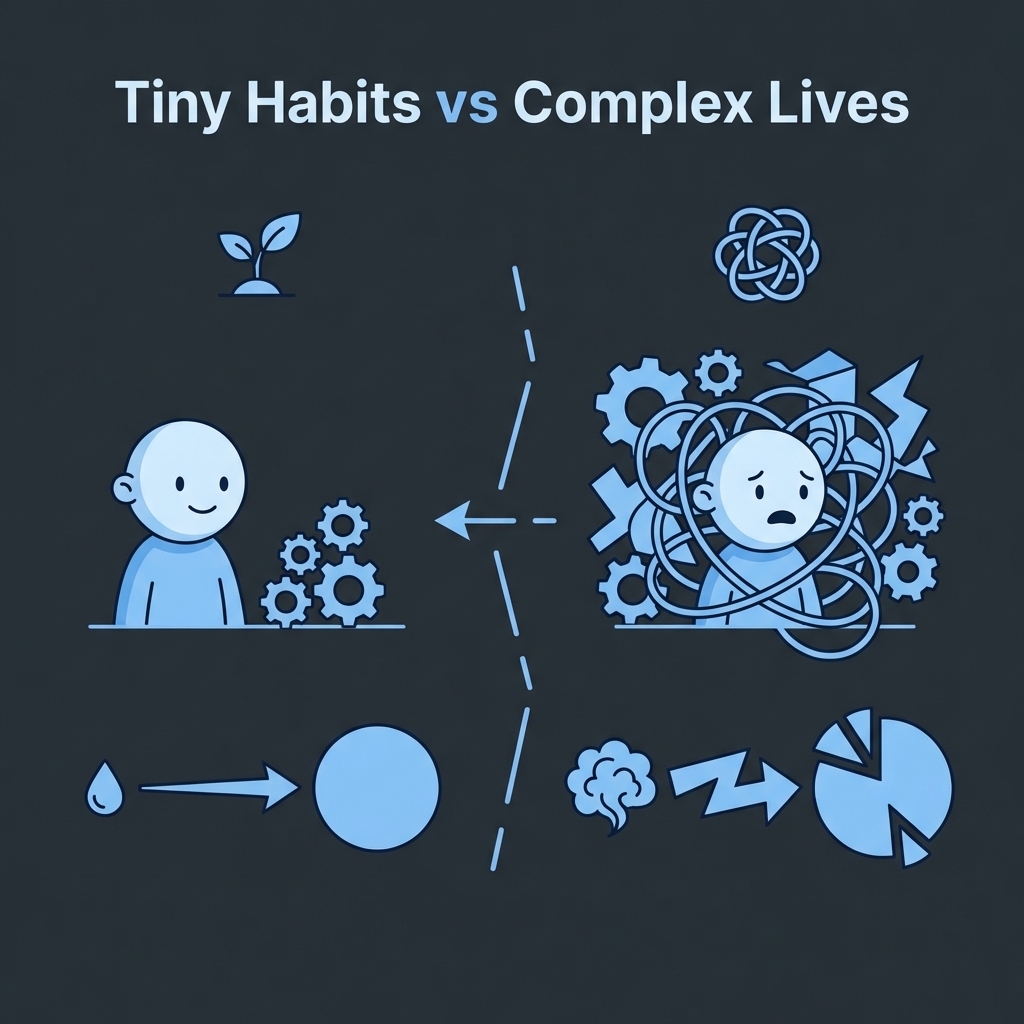
When ‘small steps’ still require big coordination
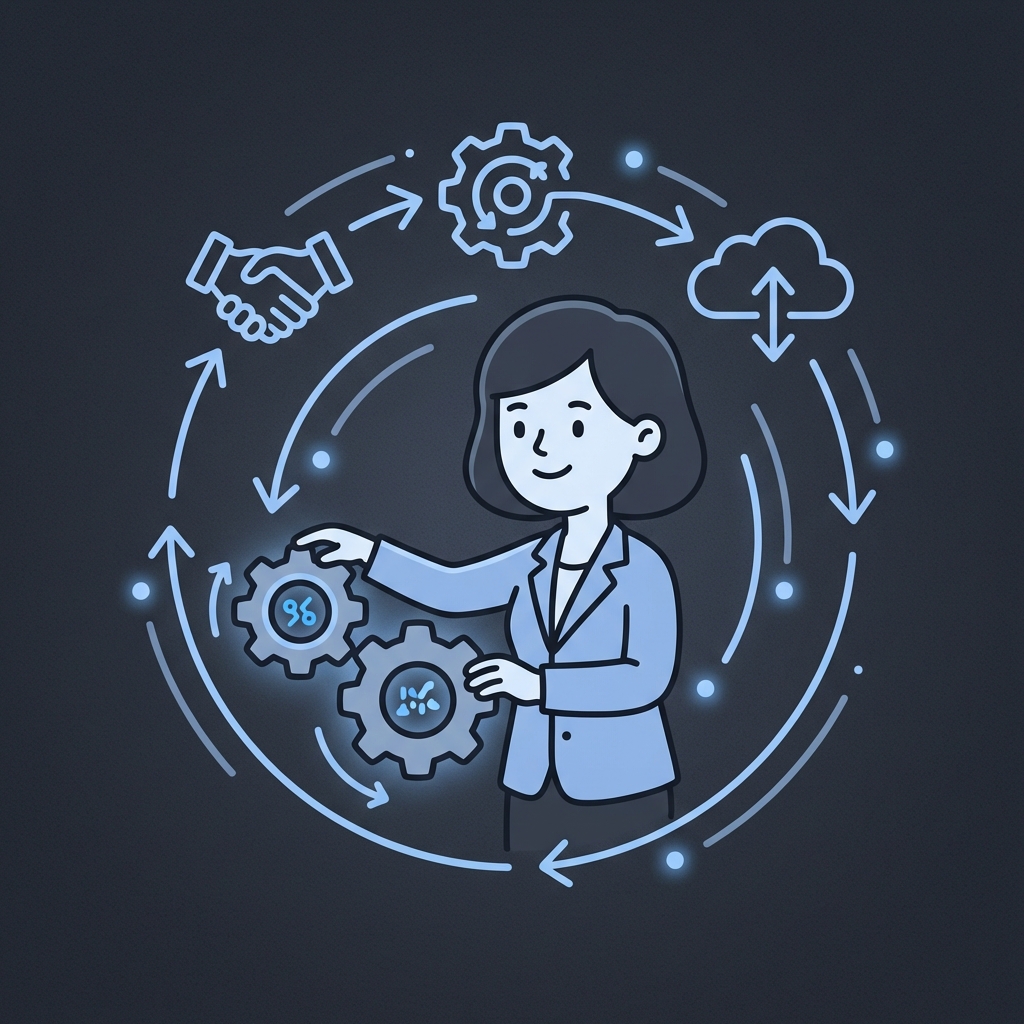
The unseen work of making two lives run as one
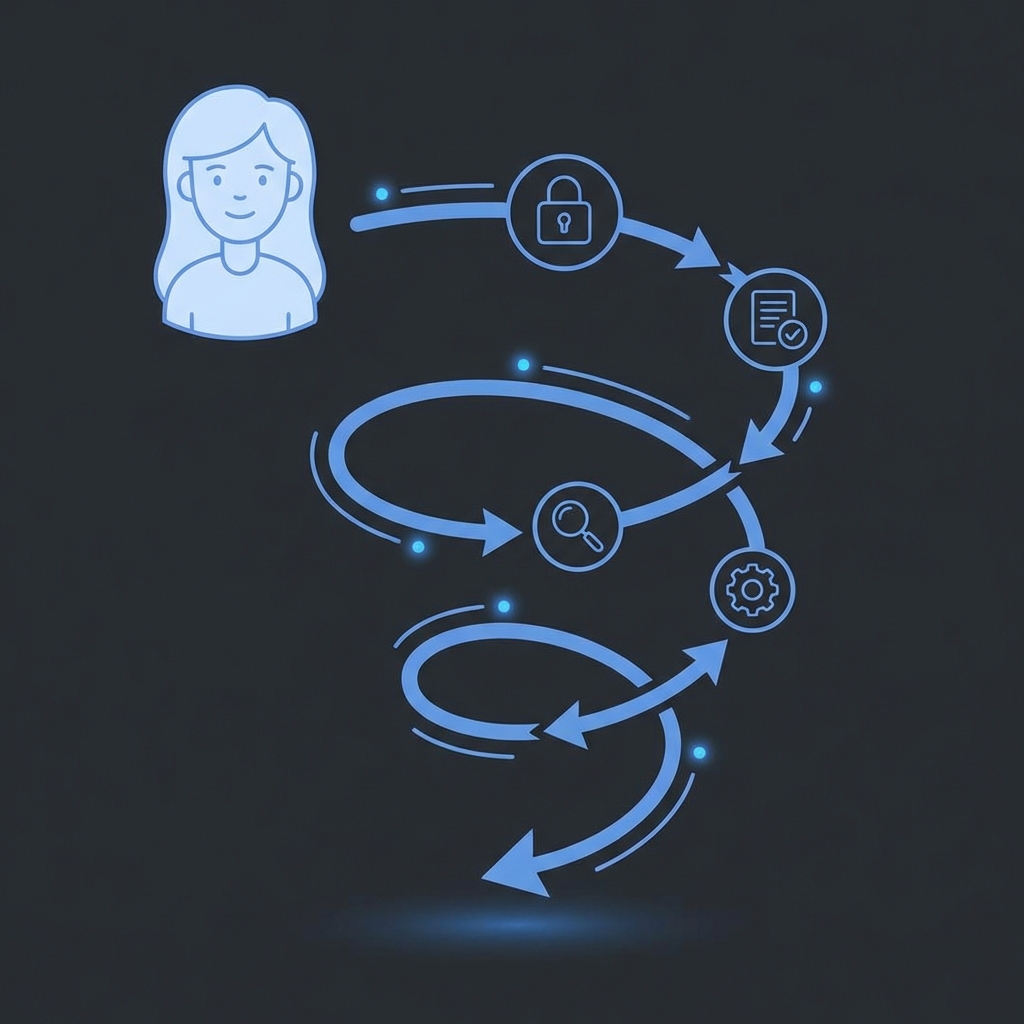
When checking costs more than doing
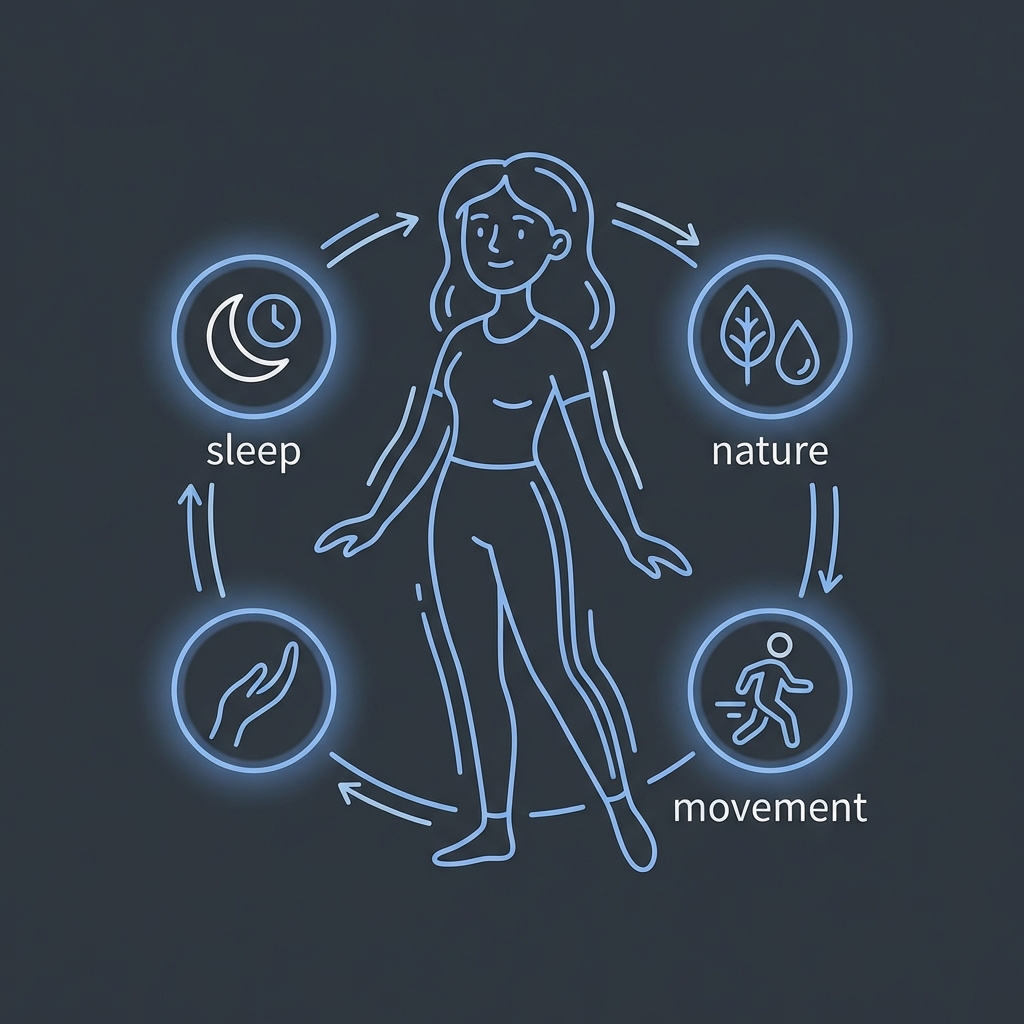
A framework for stability without rigidity
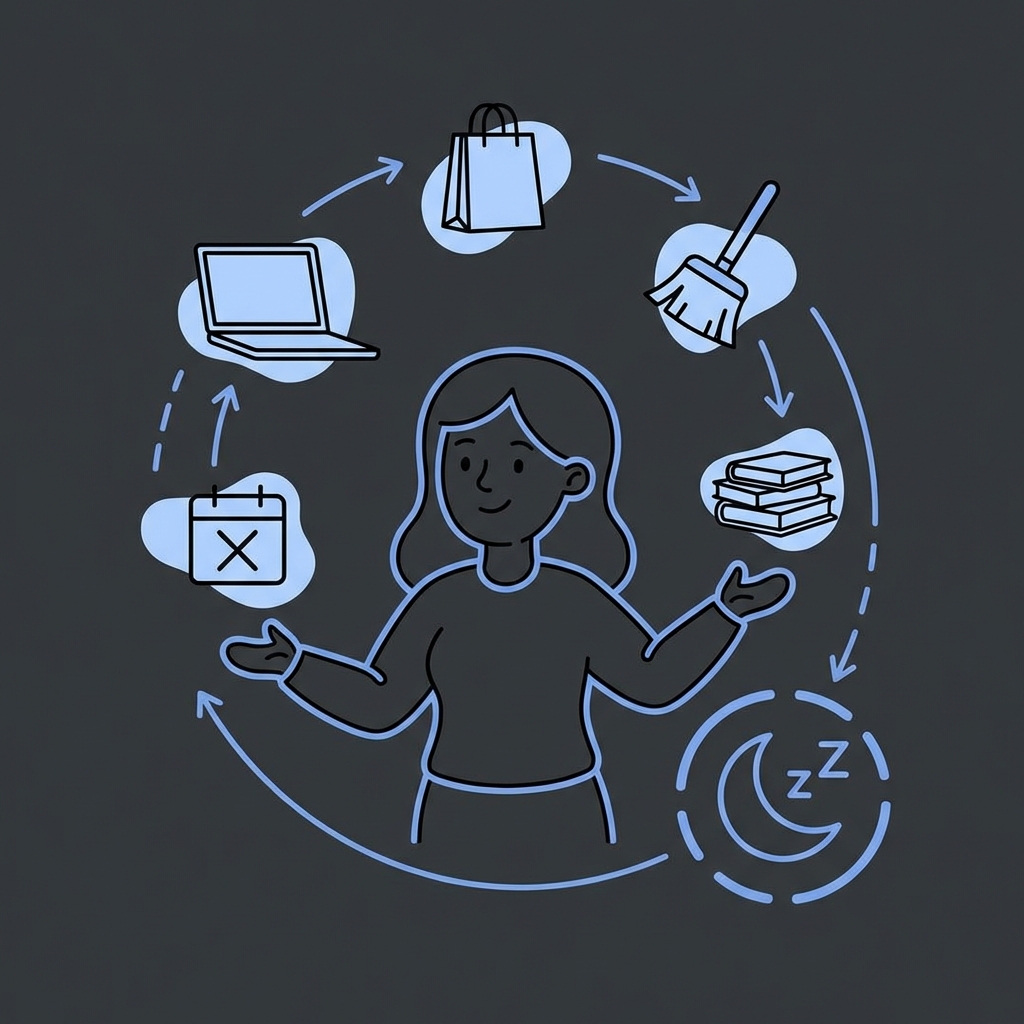
Why recovery disappears in plain sight
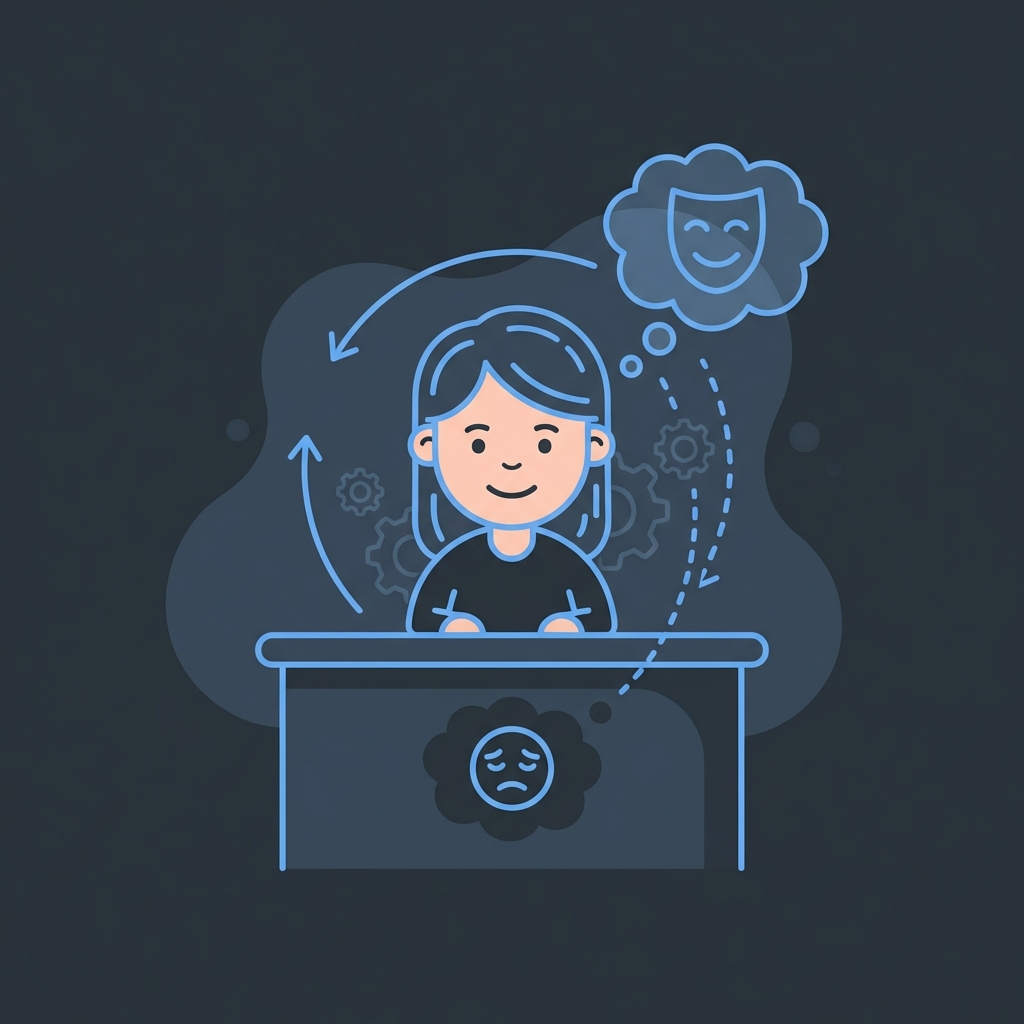
The work of managing feelings so others don't have to
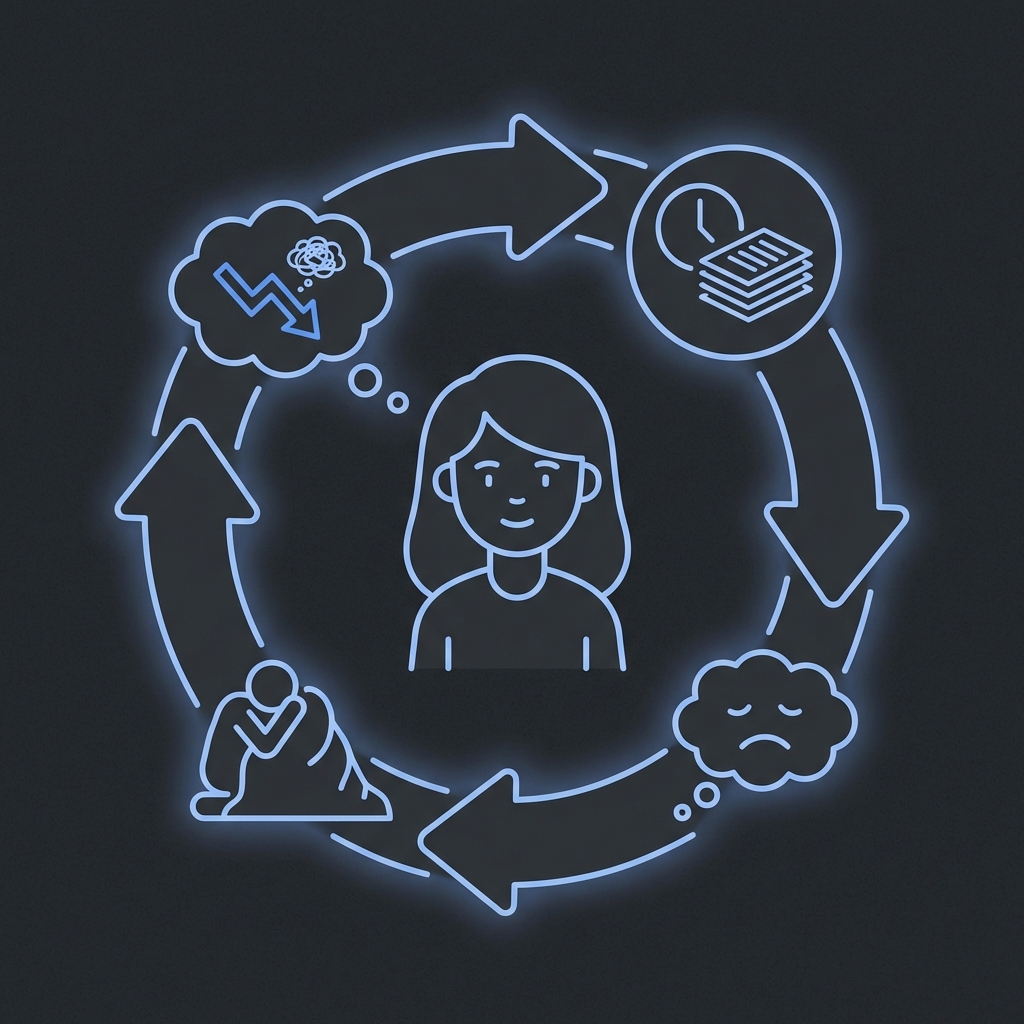
How shame creates the very behavior you hate
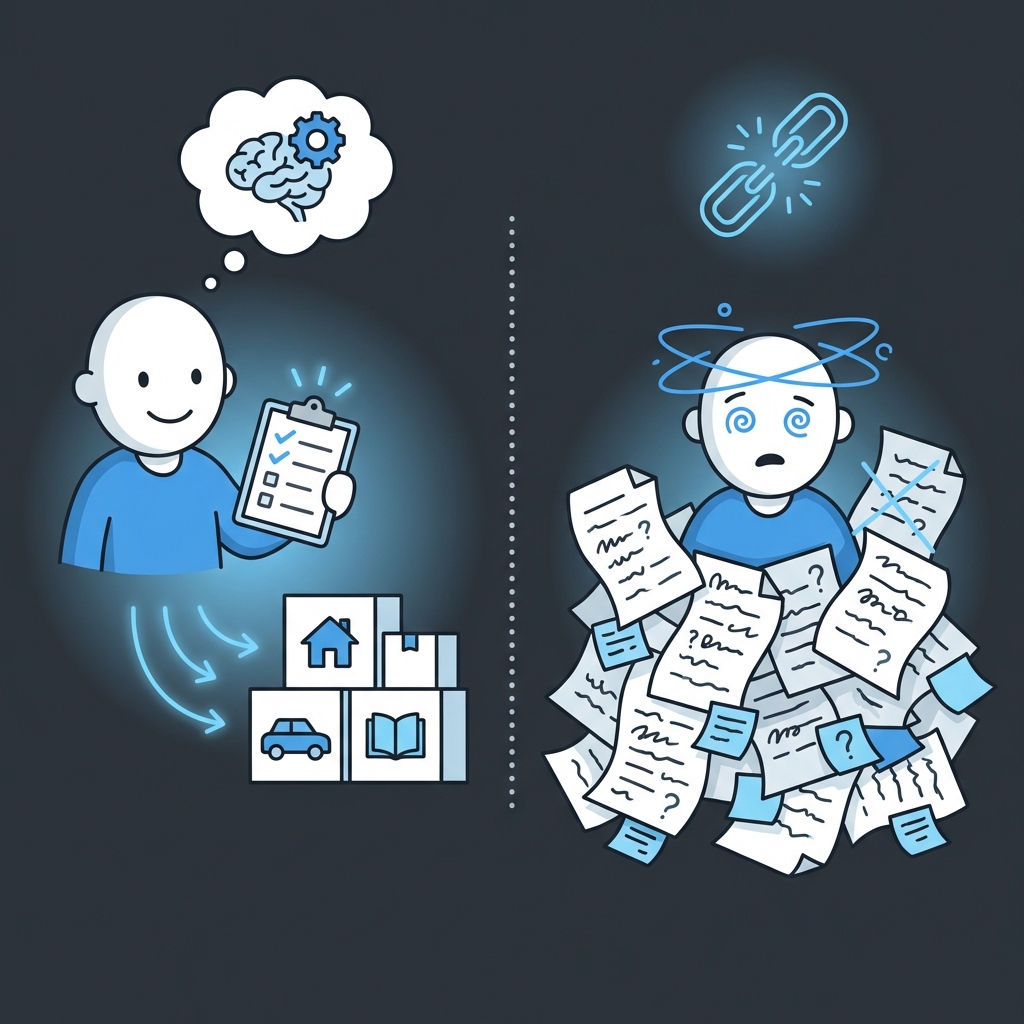
When capture becomes another thing to manage
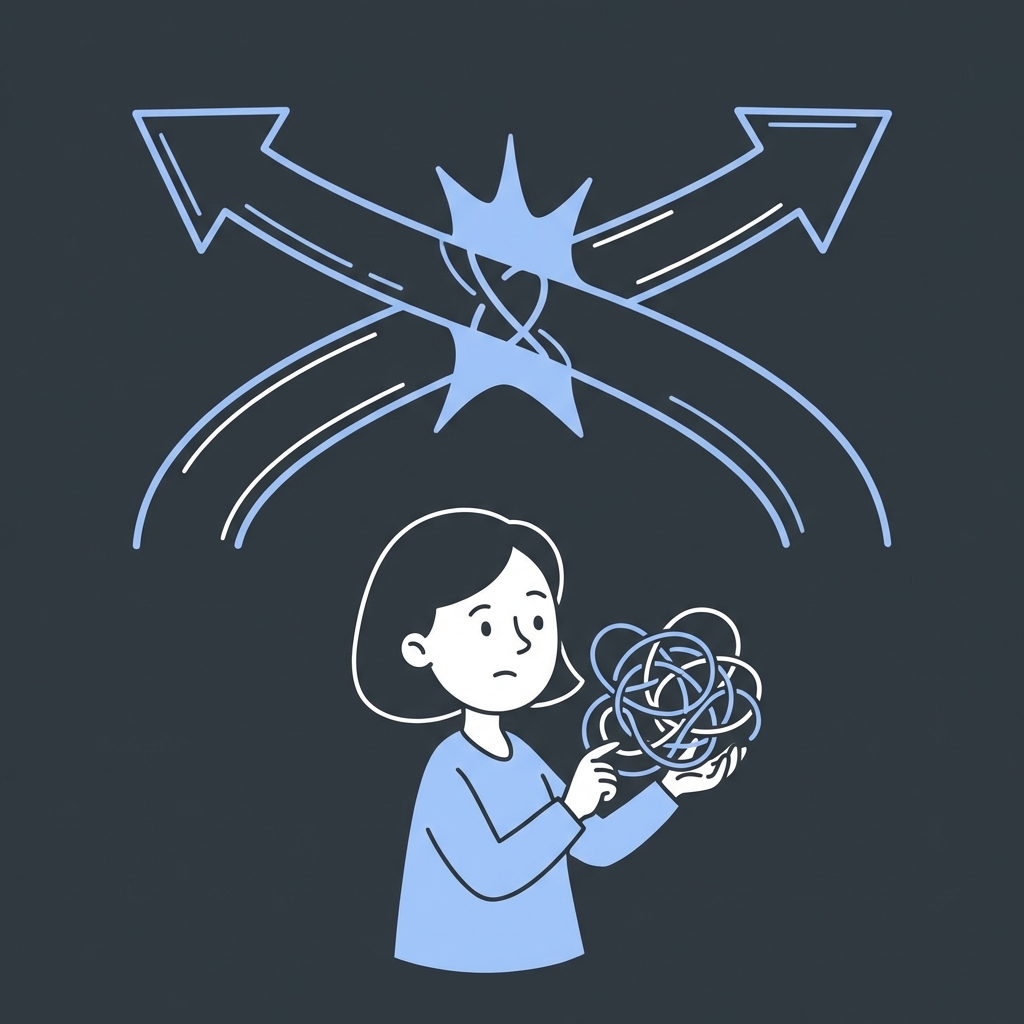
Health goals vs caregiving vs ambition vs rest
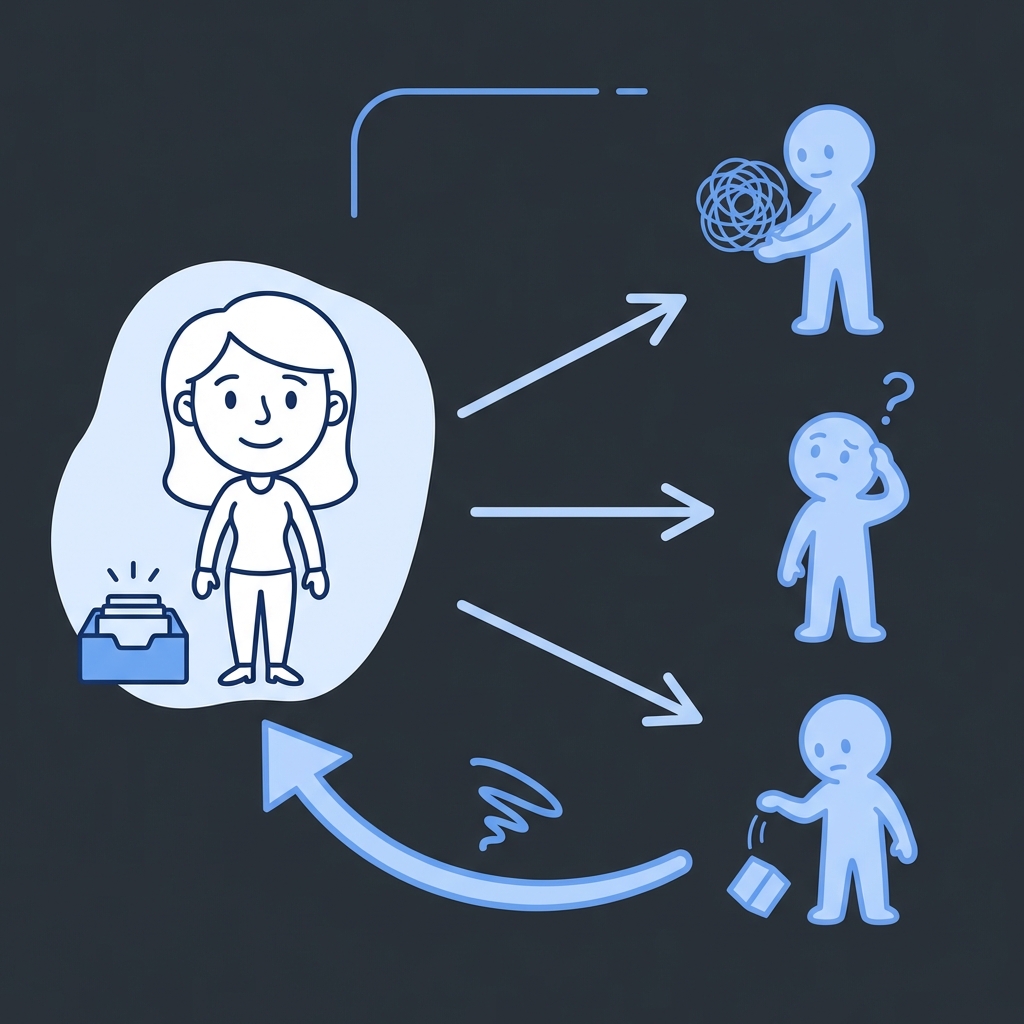
The hidden coordination that sticks to you anyway
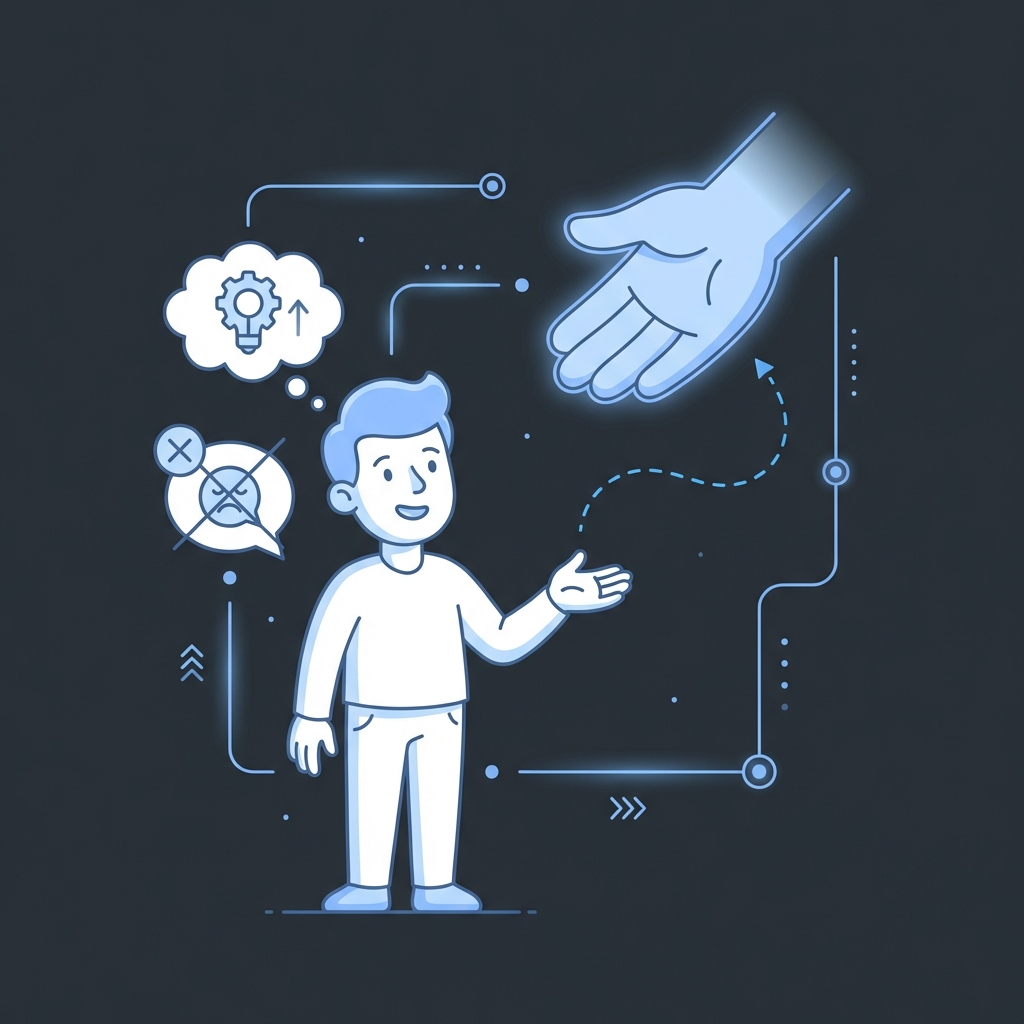
A script for clear, shame-free asks

The absurd amount of work inside a simple thing
And never should have been

Why tools can increase mental load
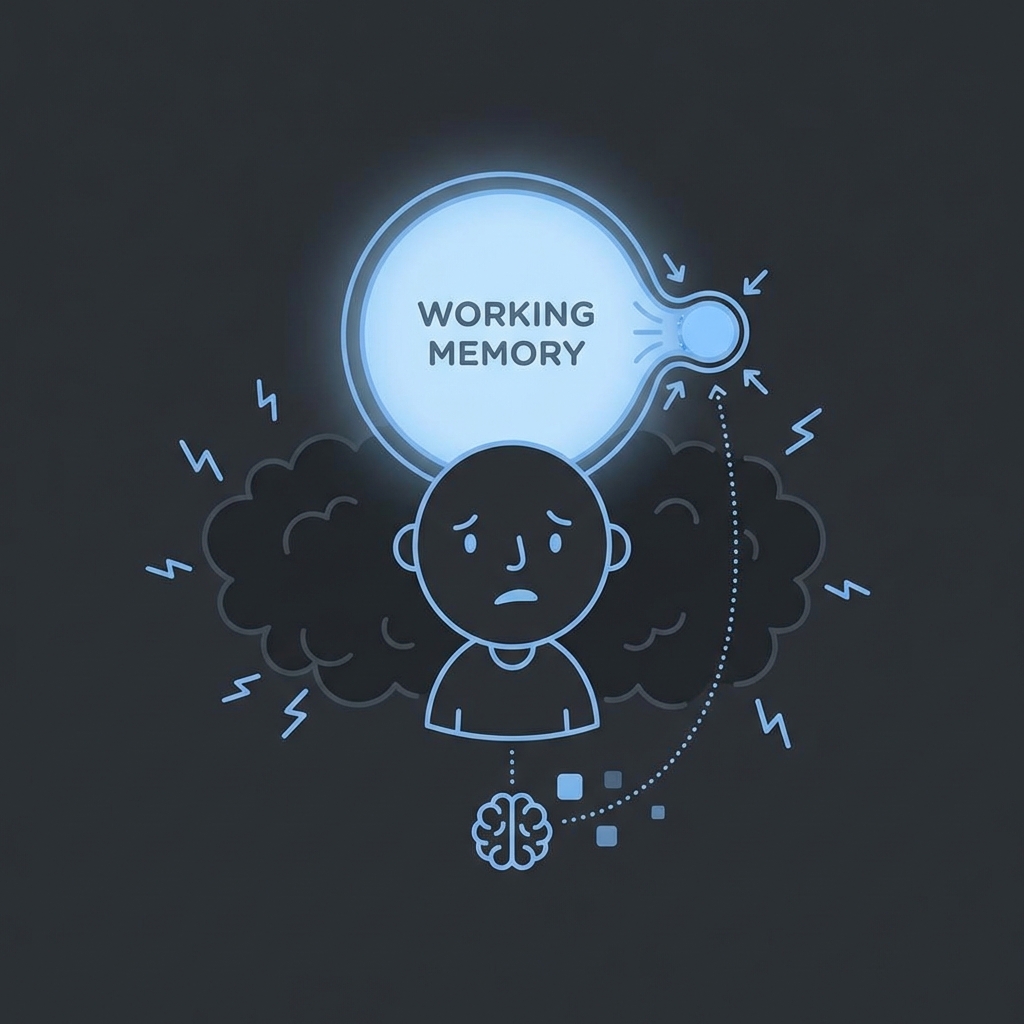
Why overload makes you forget and freeze
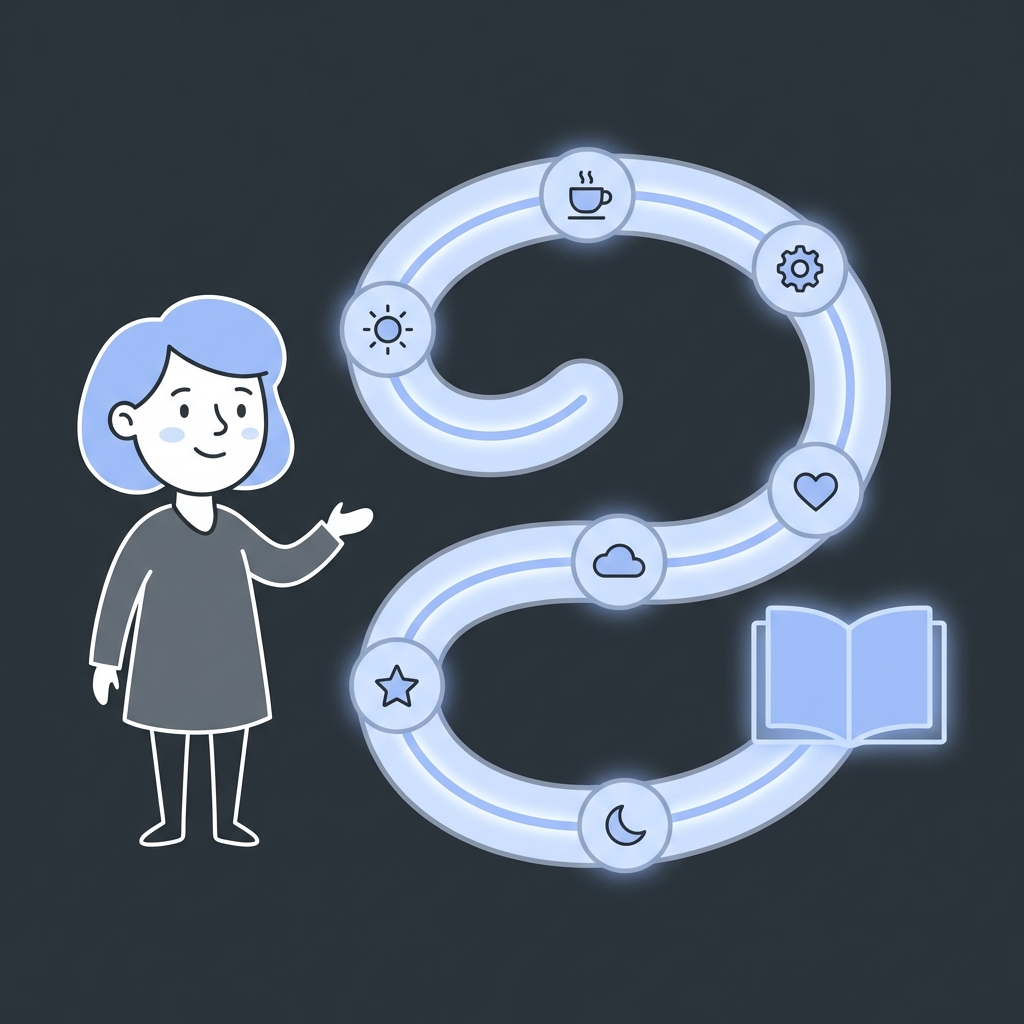
Why daily planning misses the bigger picture
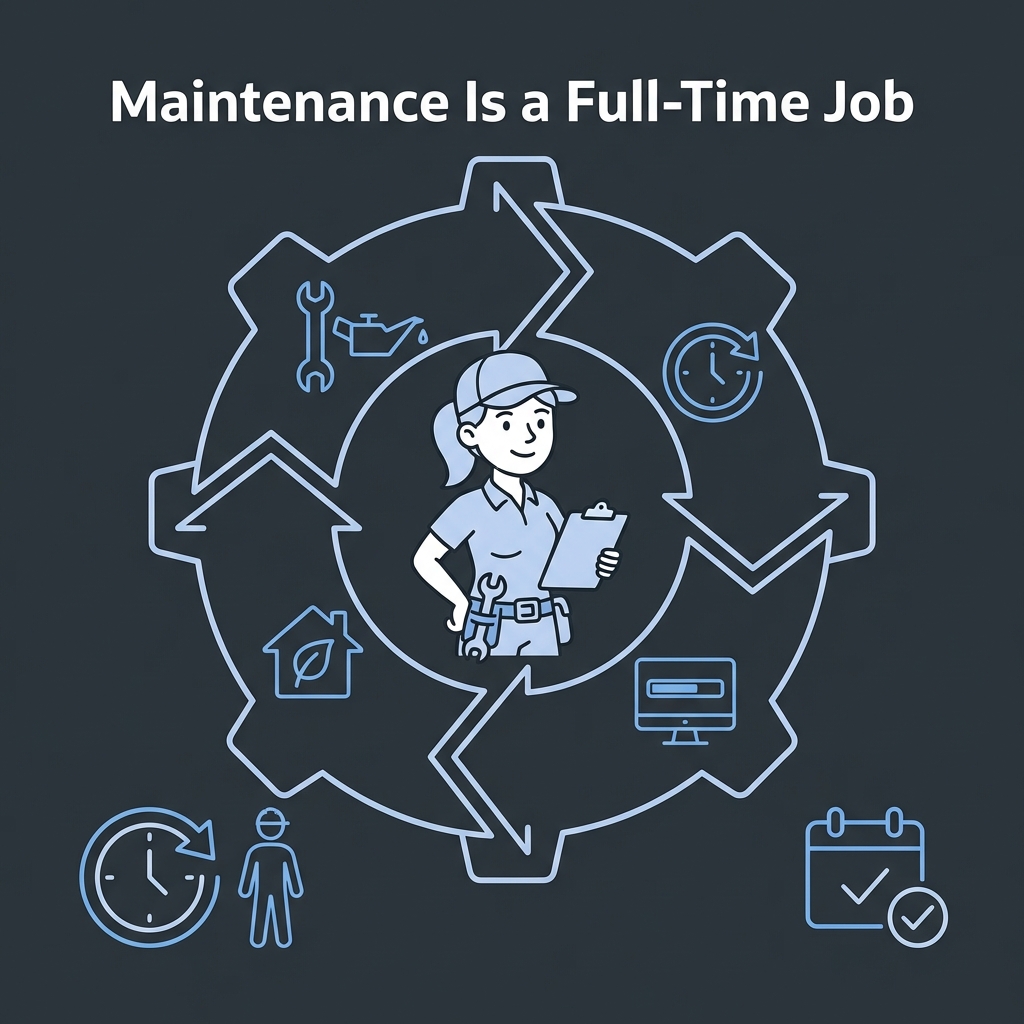
The work of keeping life from falling apart

How much support do you actually need to feel okay?
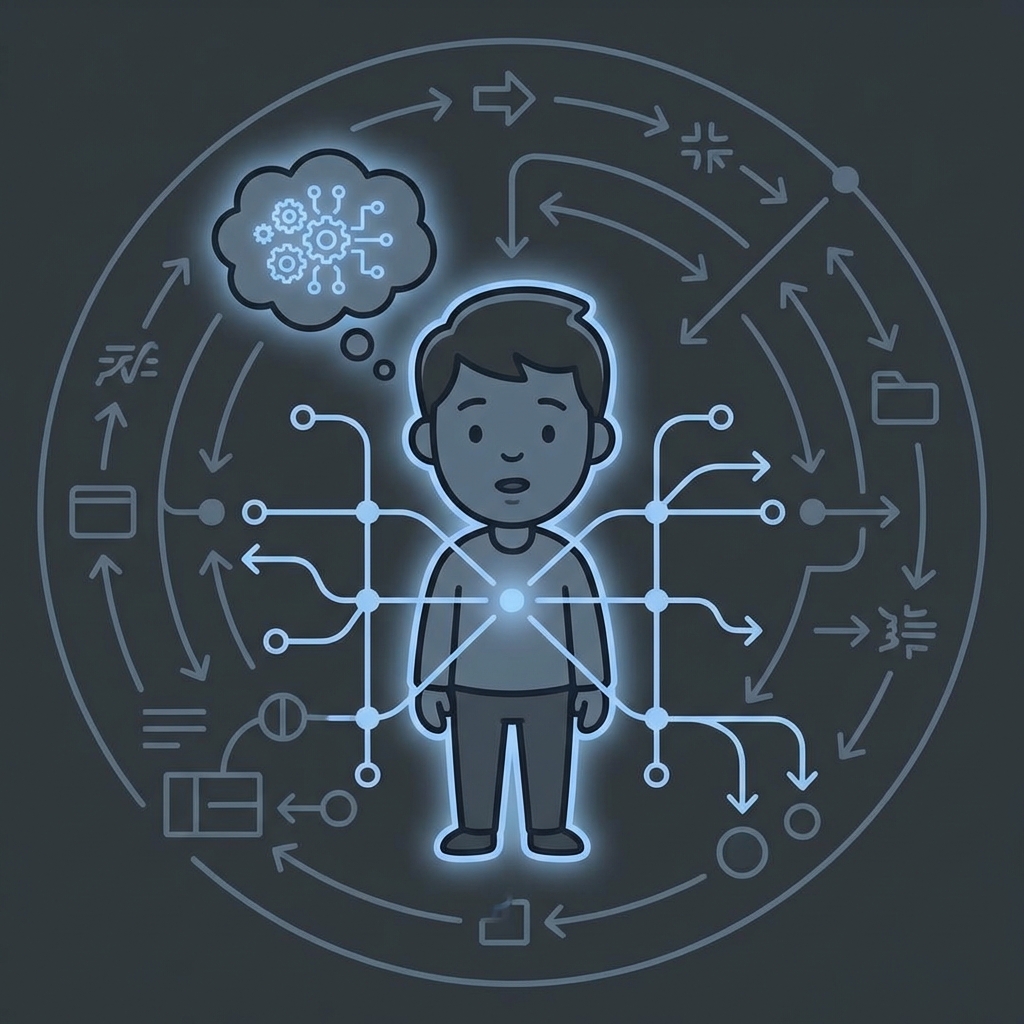
And how heavy that realization is

Appointments, forms, follow-ups, and the carework stack
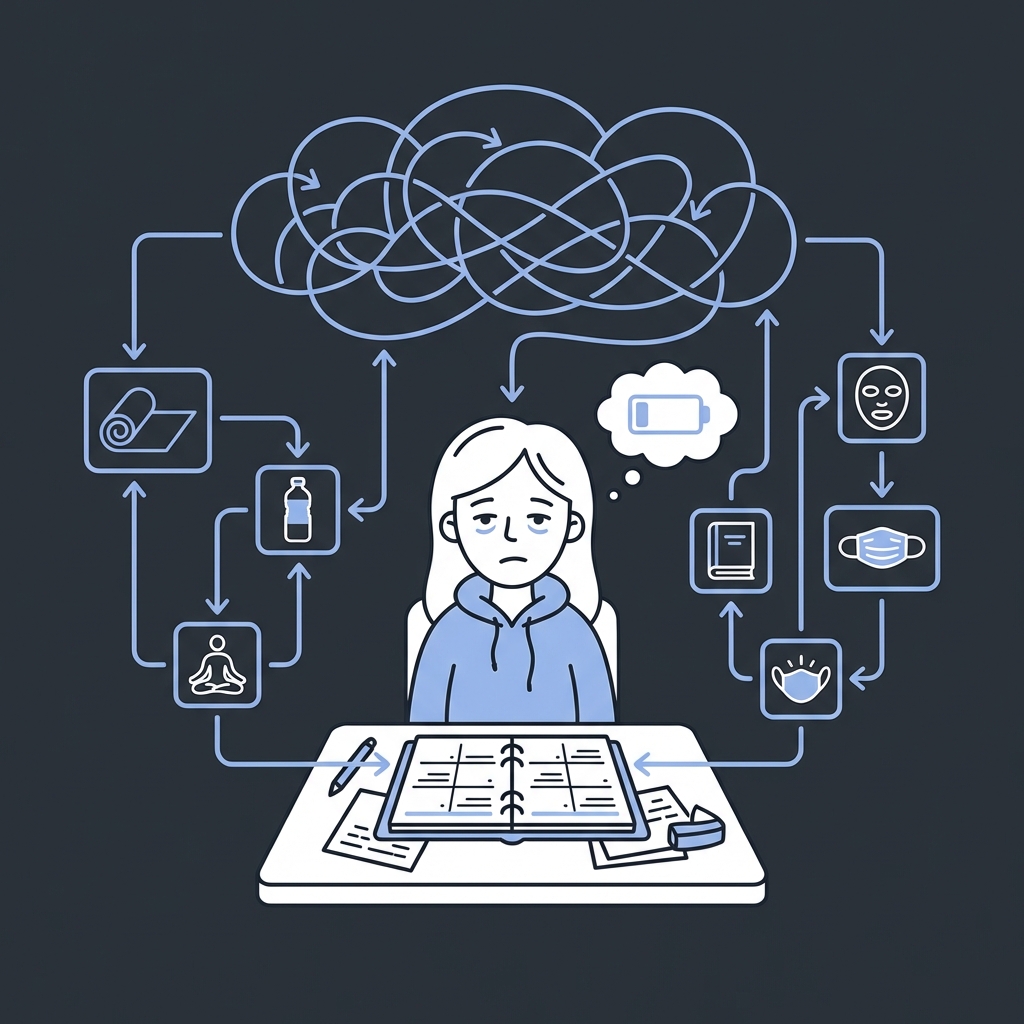
The paradox of prescribed rest

The science of offloading so your brain can breathe

Roles, expectations, and the hidden work of being ‘you’
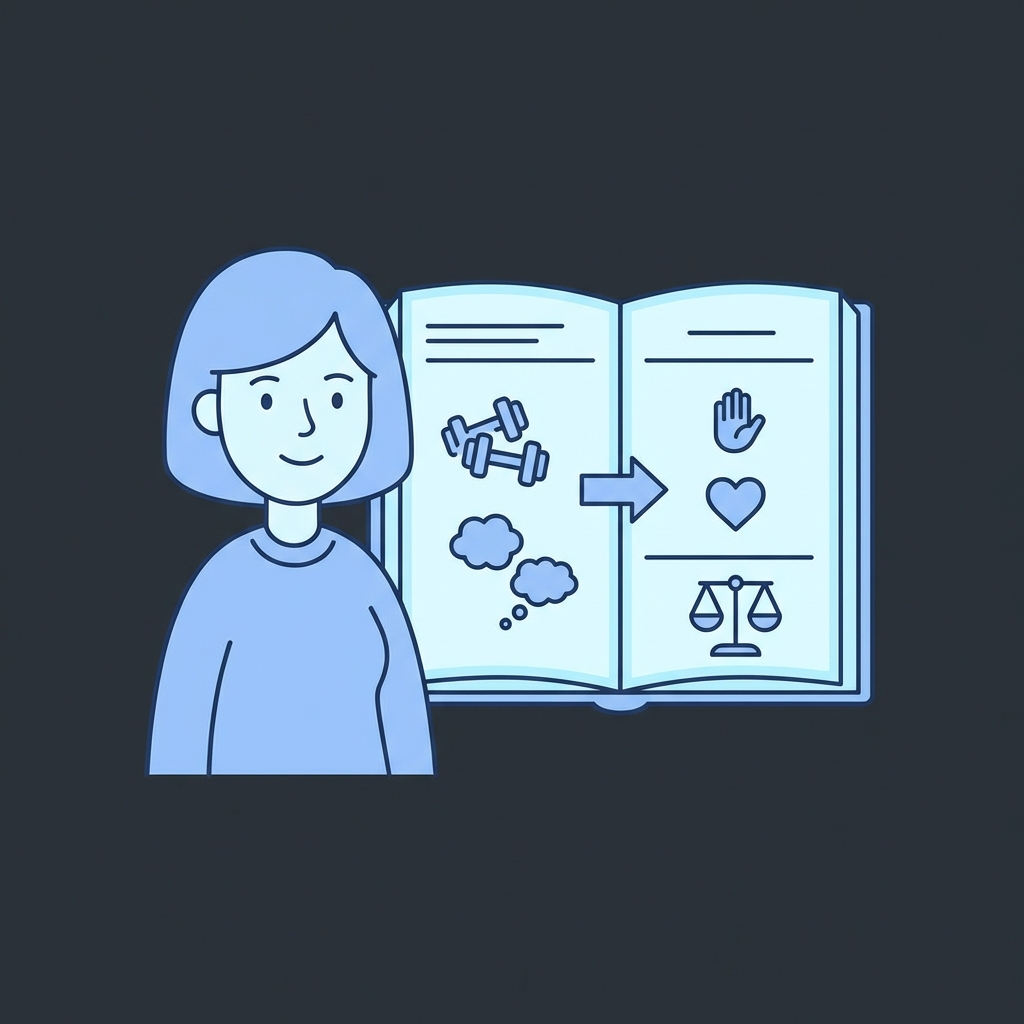
The worries you track so no one else has to
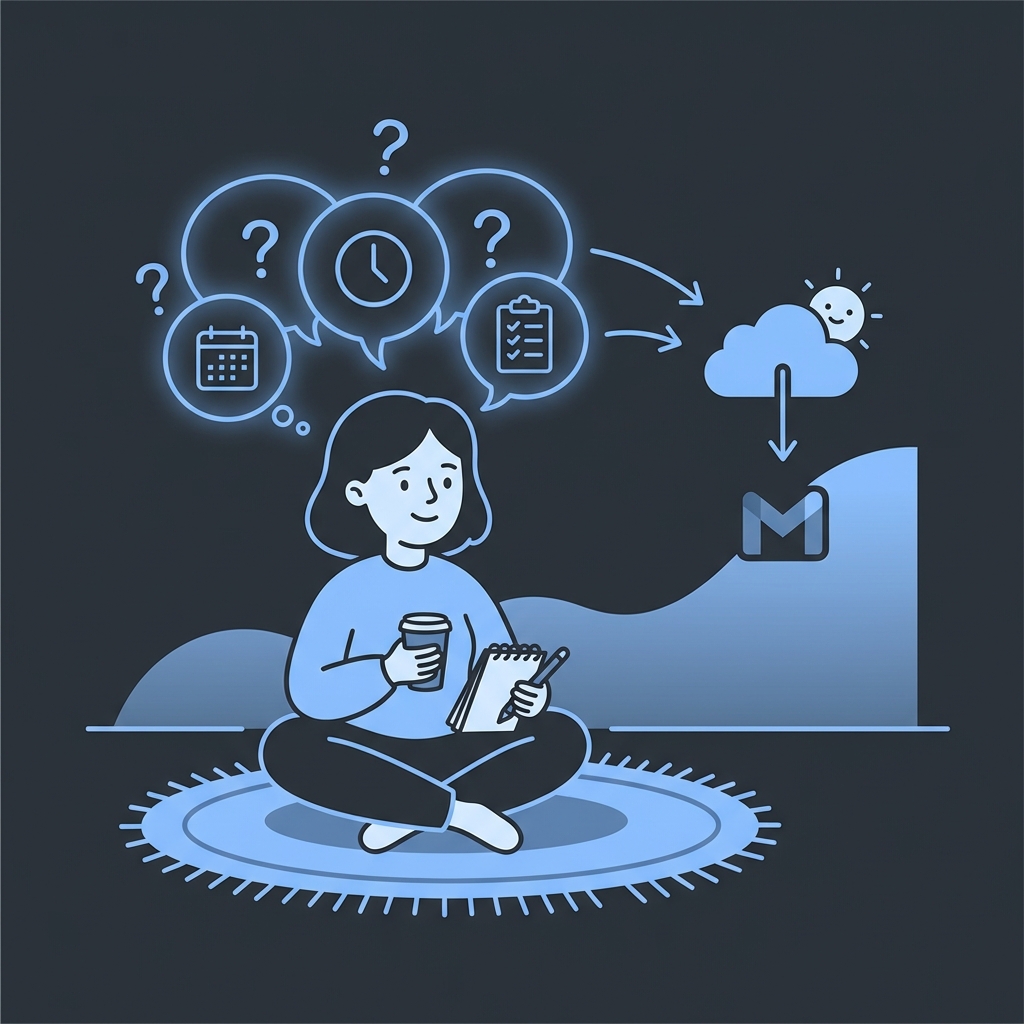
Less dread, more clarity
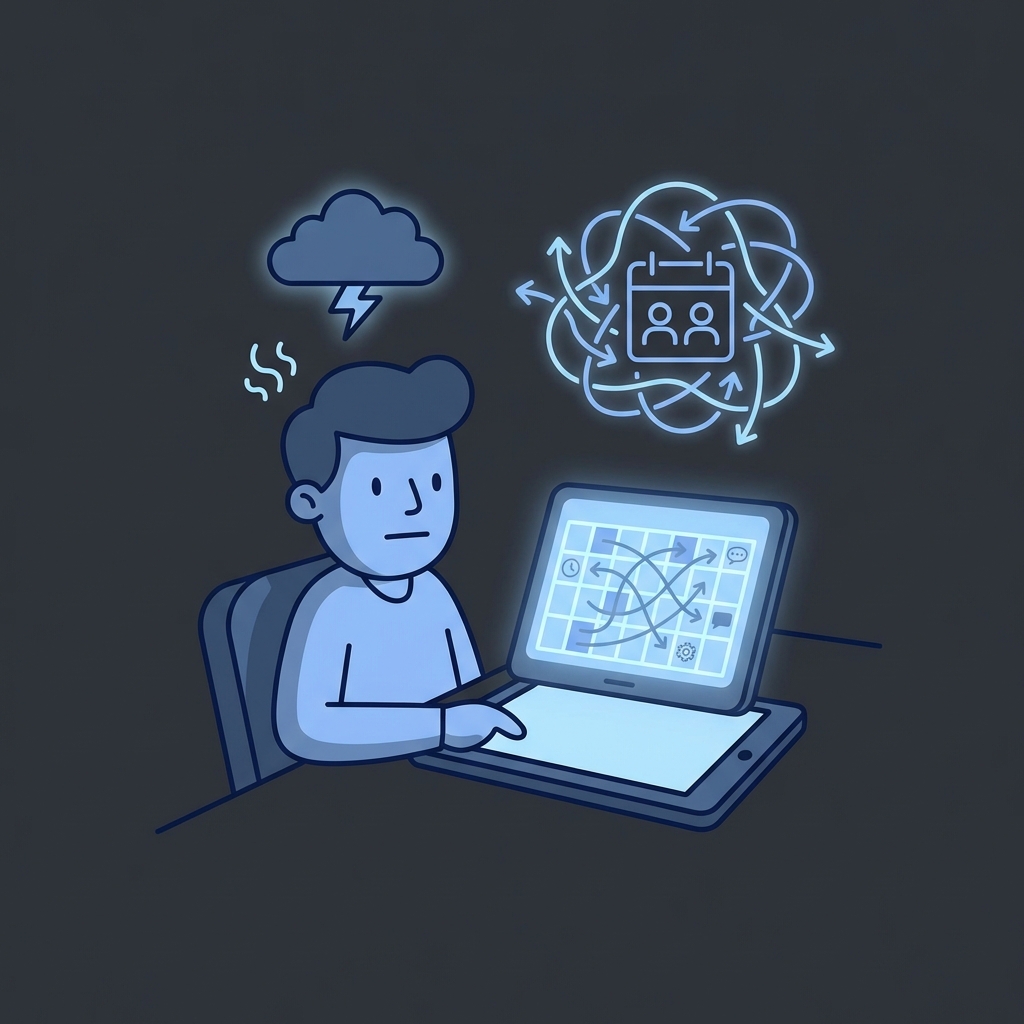
When coordination is love—and also resentment
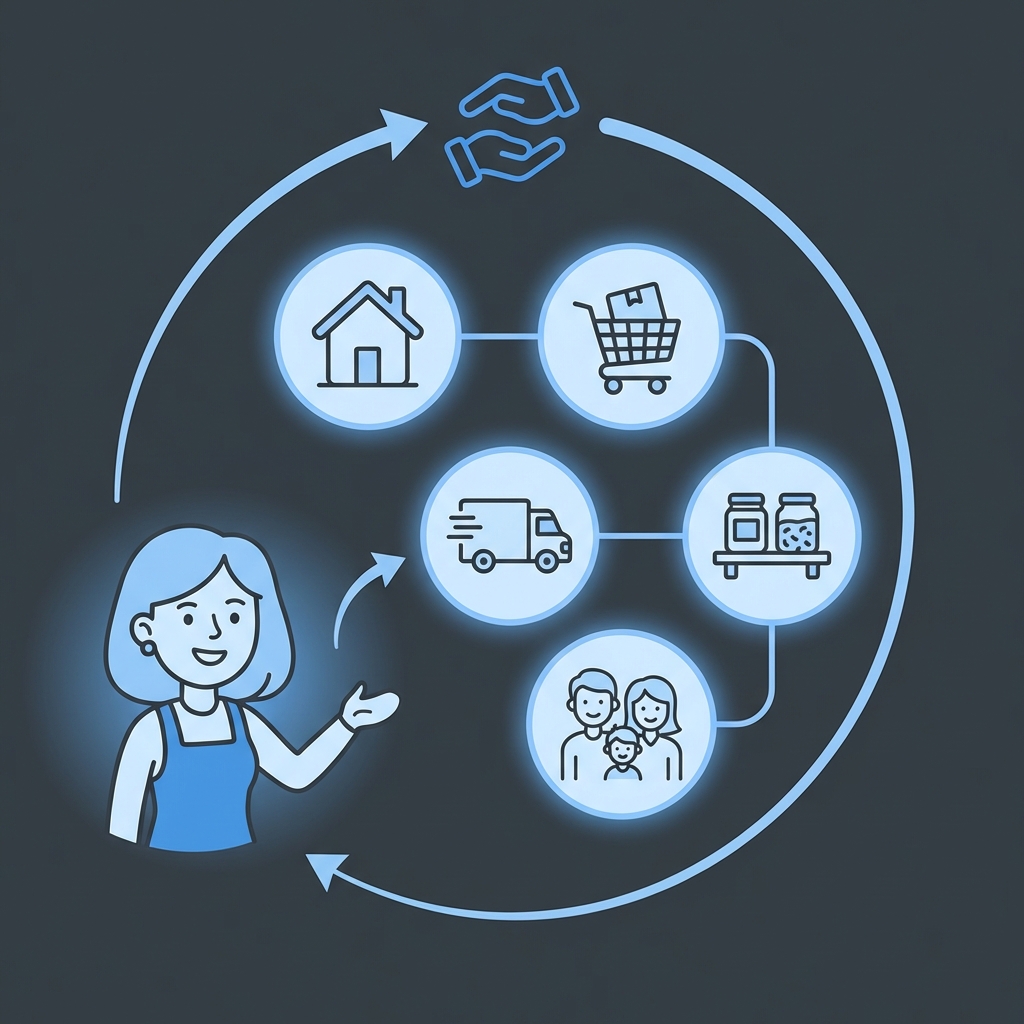
Meals, groceries, replenishment, and the constant ‘we’re out’
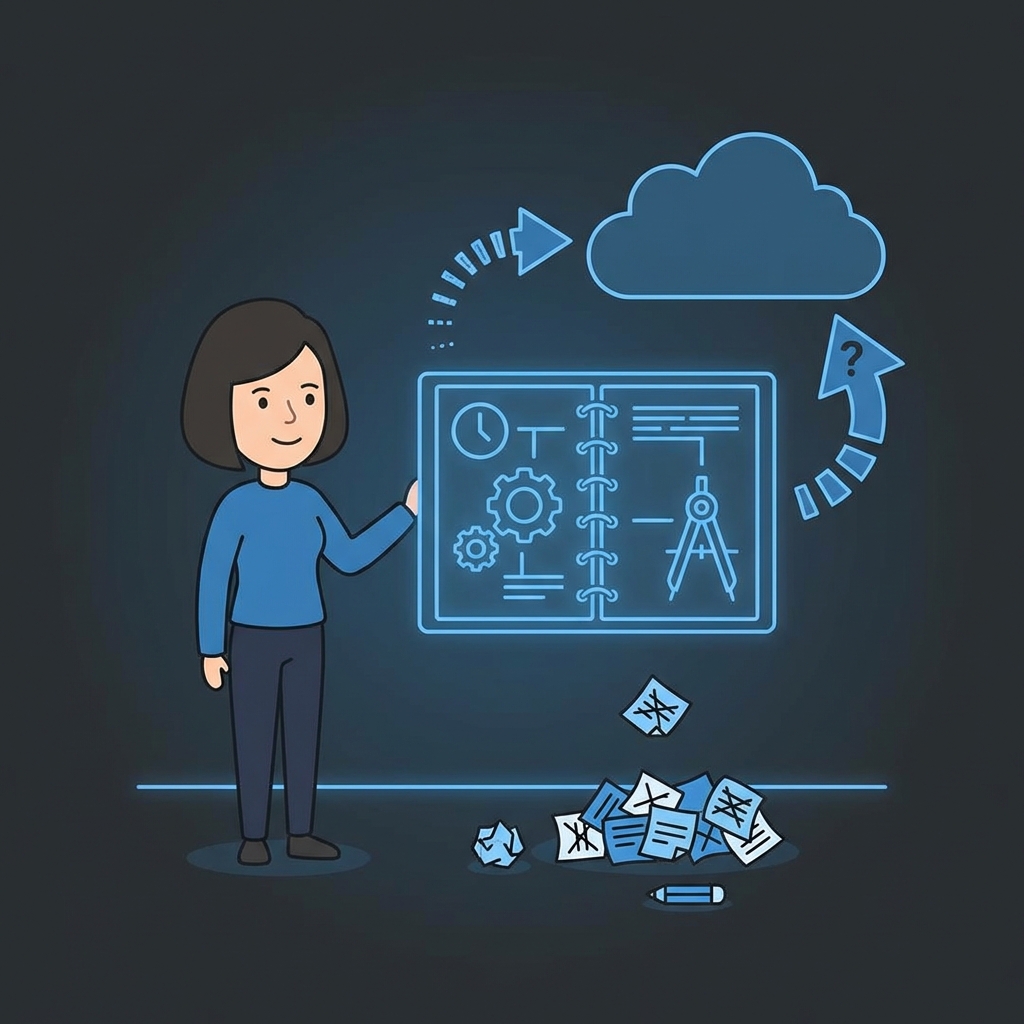
No planner can solve a life that’s over capacity
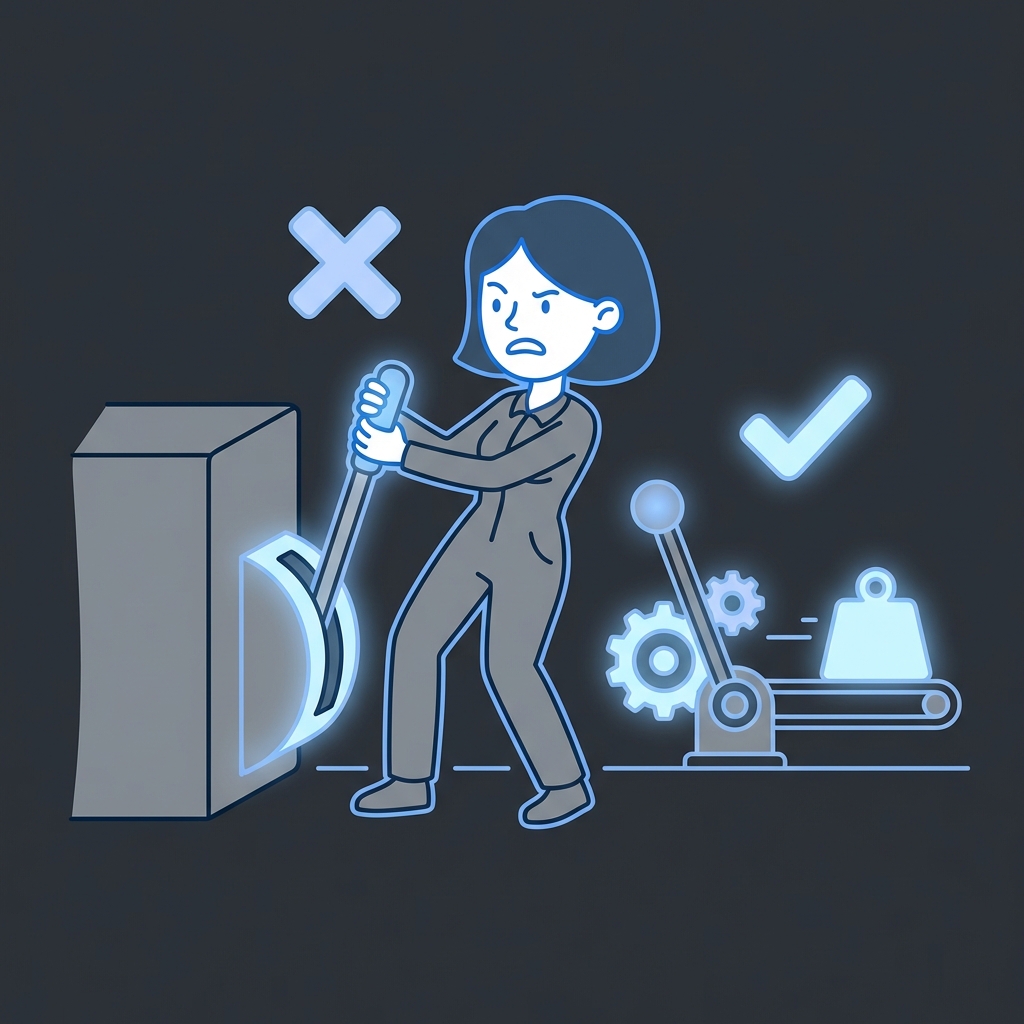
What behavior science suggests instead
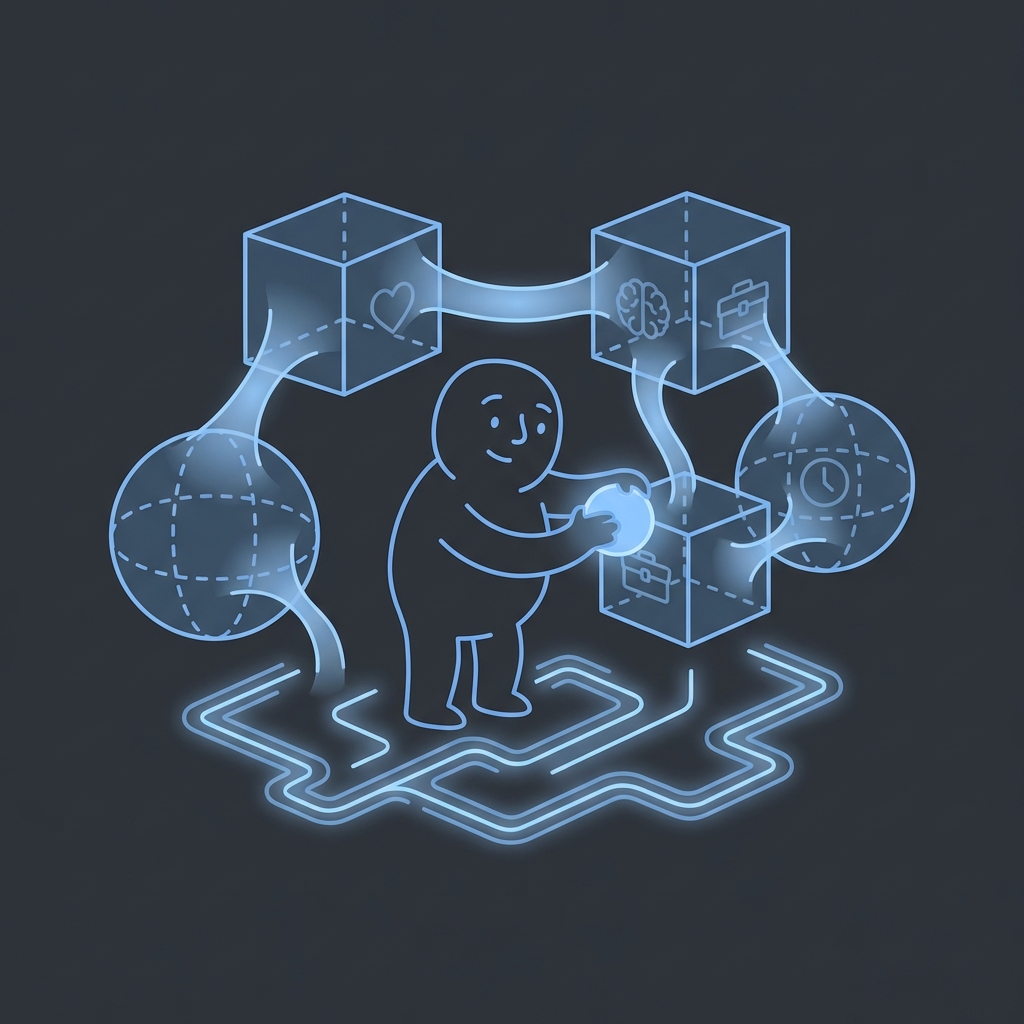
Why the whole you keeps showing up anyway
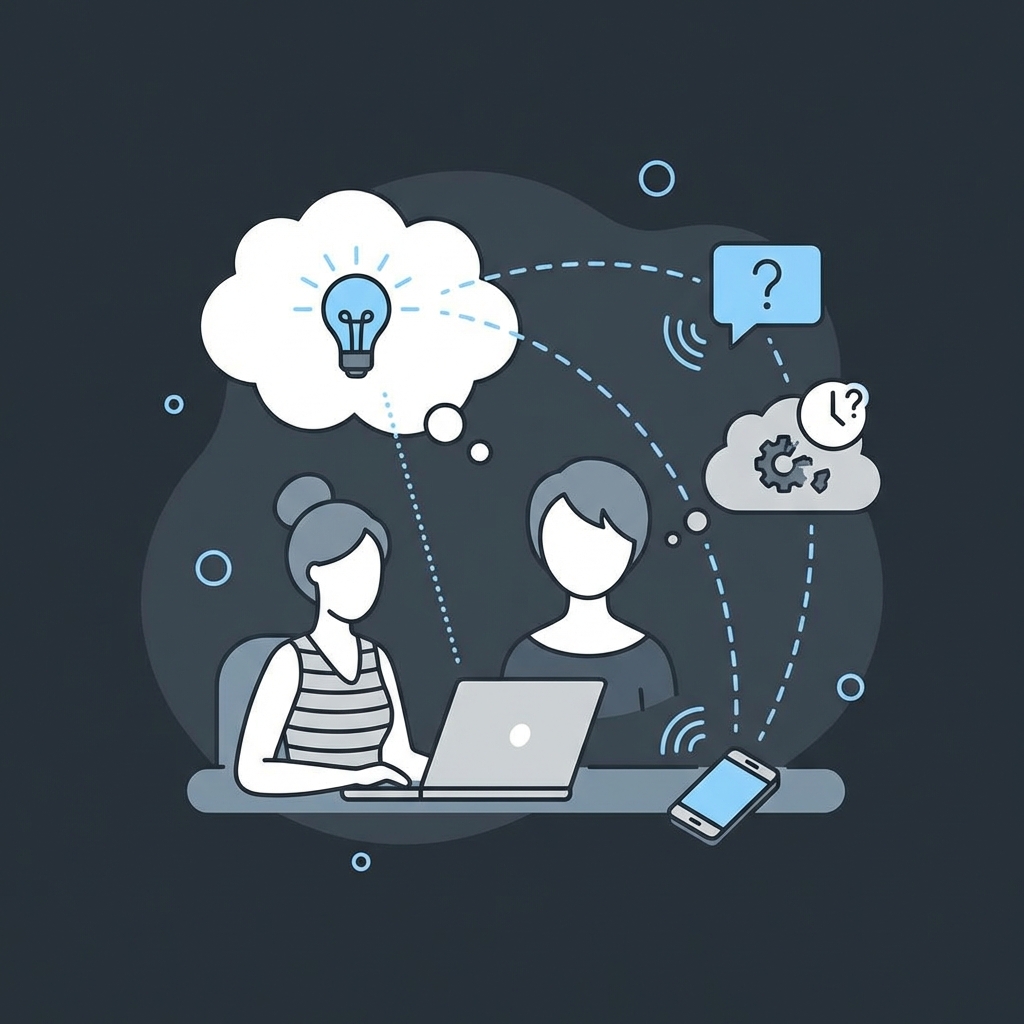
Why you feel tired even when you didn’t ‘do much’
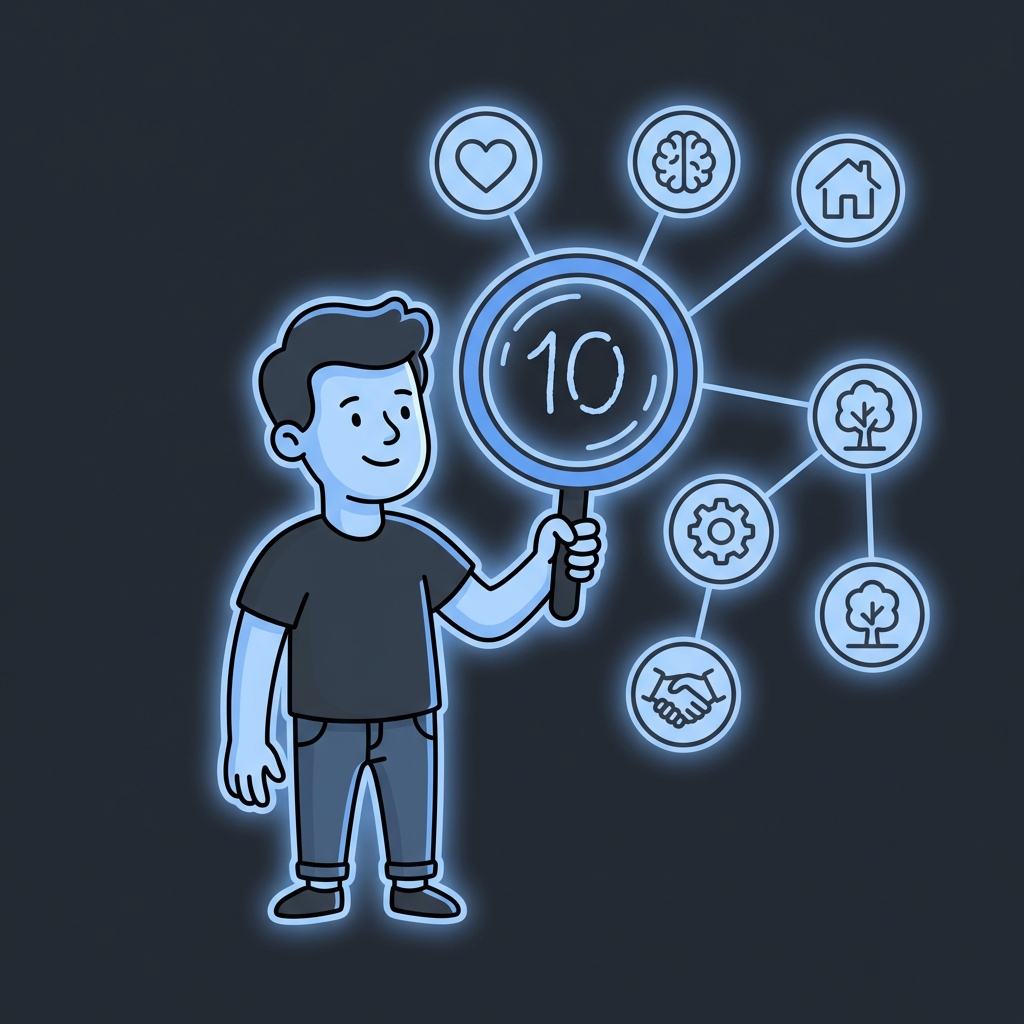
A holistic scan without turning yourself into a project
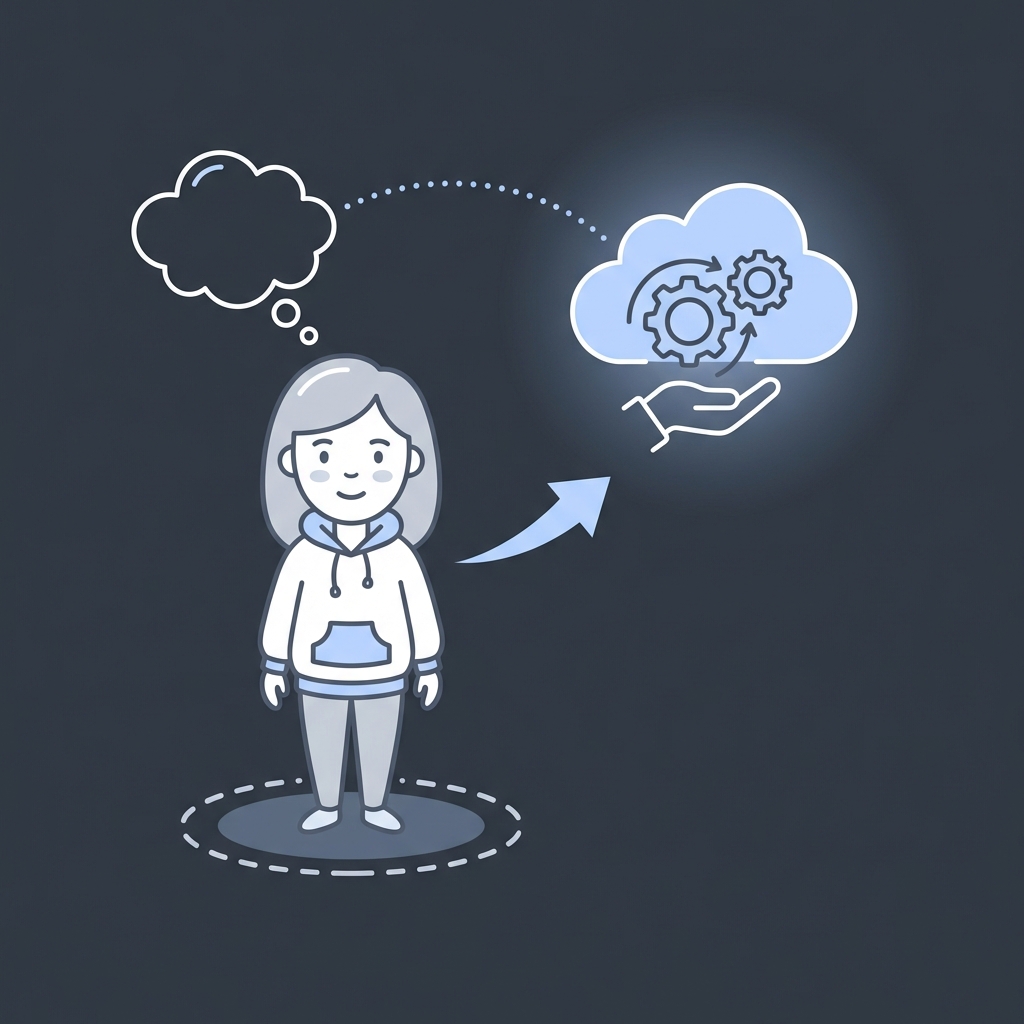
And what changed after
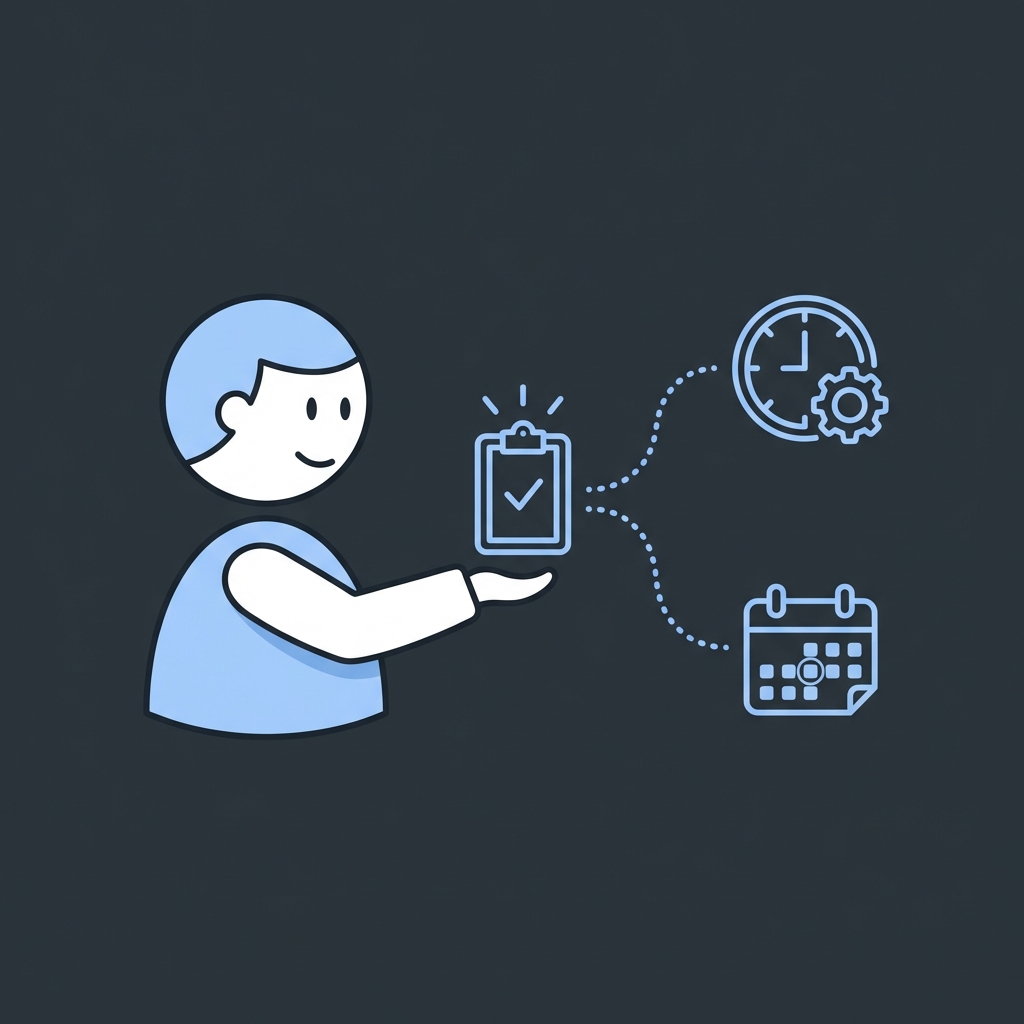
The work behind the calendar that no one sees
Why looking like you’ve got it together is exhausting
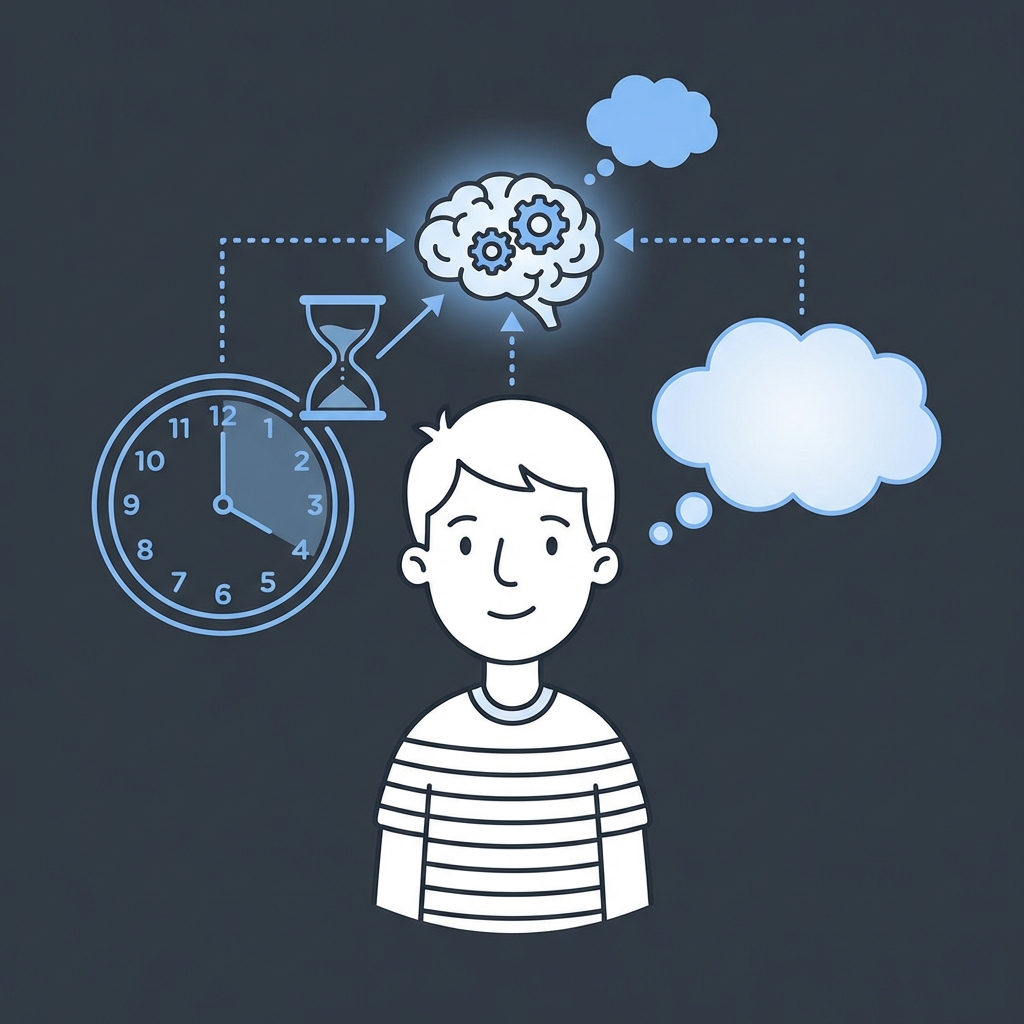
When everything feels urgent, nothing gets done
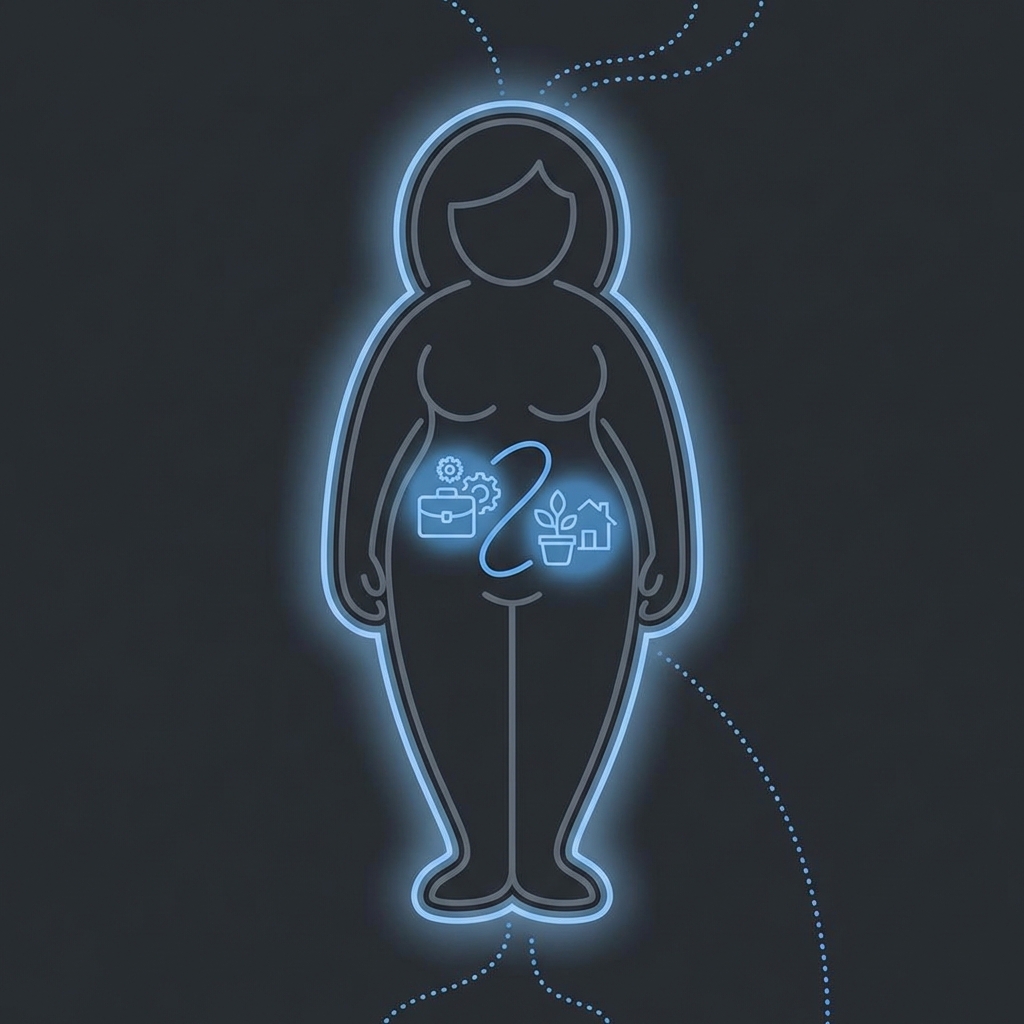
Why compartmentalization fails at 7:12 PM

The cognitive labor hiding inside “just don’t forget”
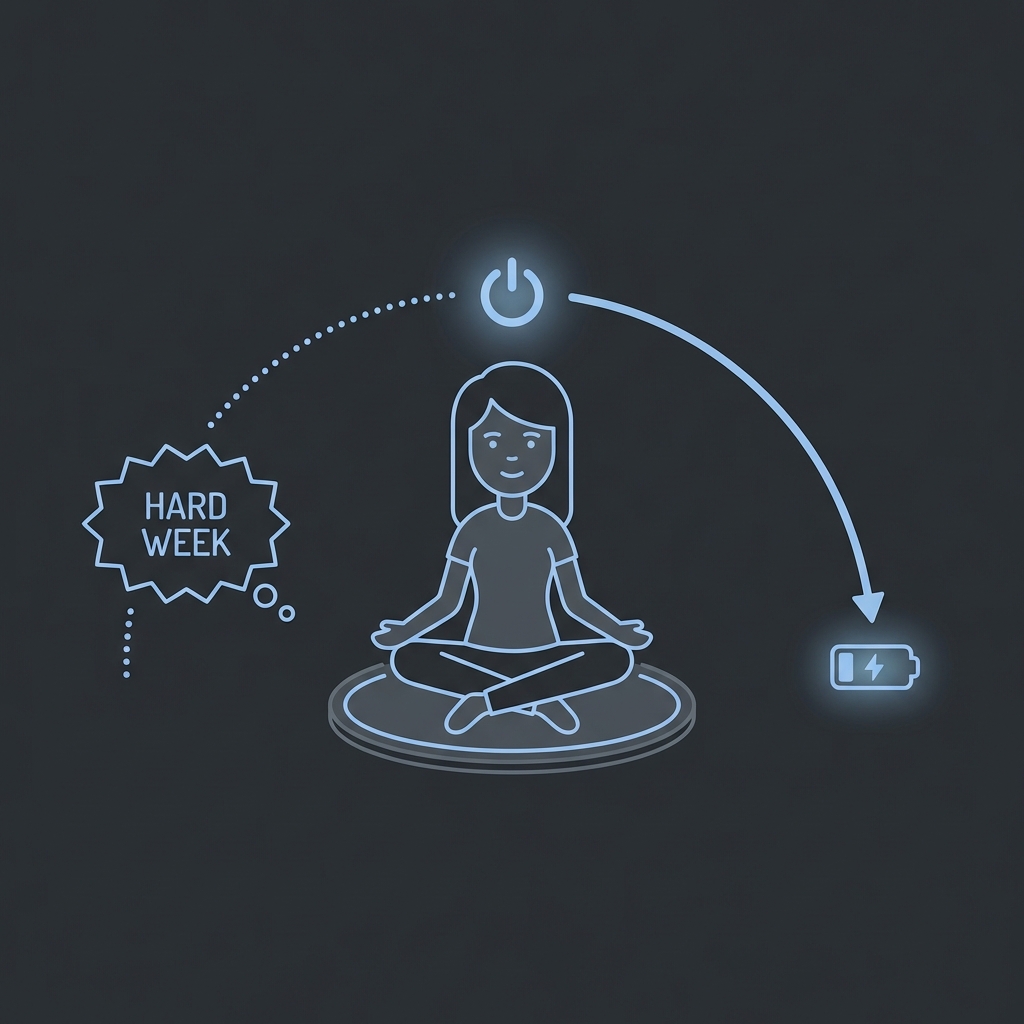
Re-entering your life without punishment
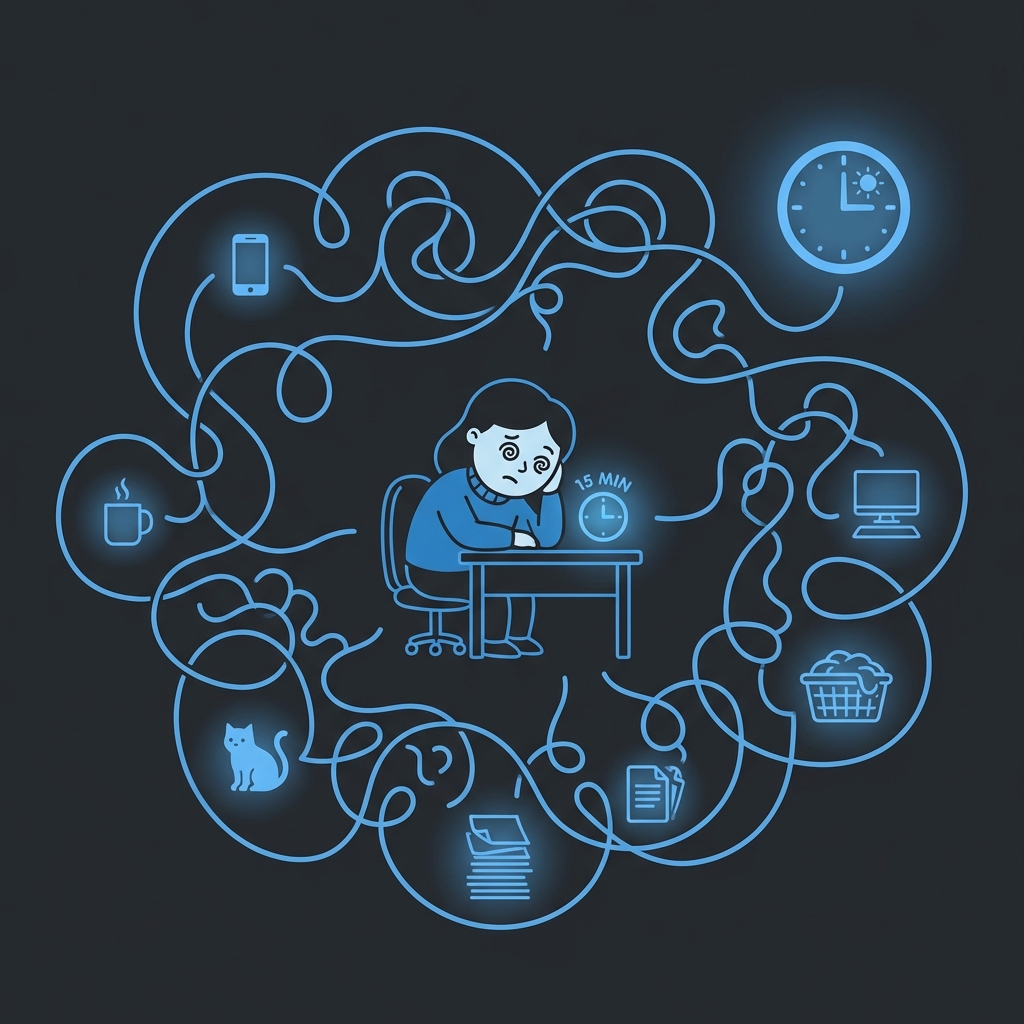
Context switching is the hidden cost
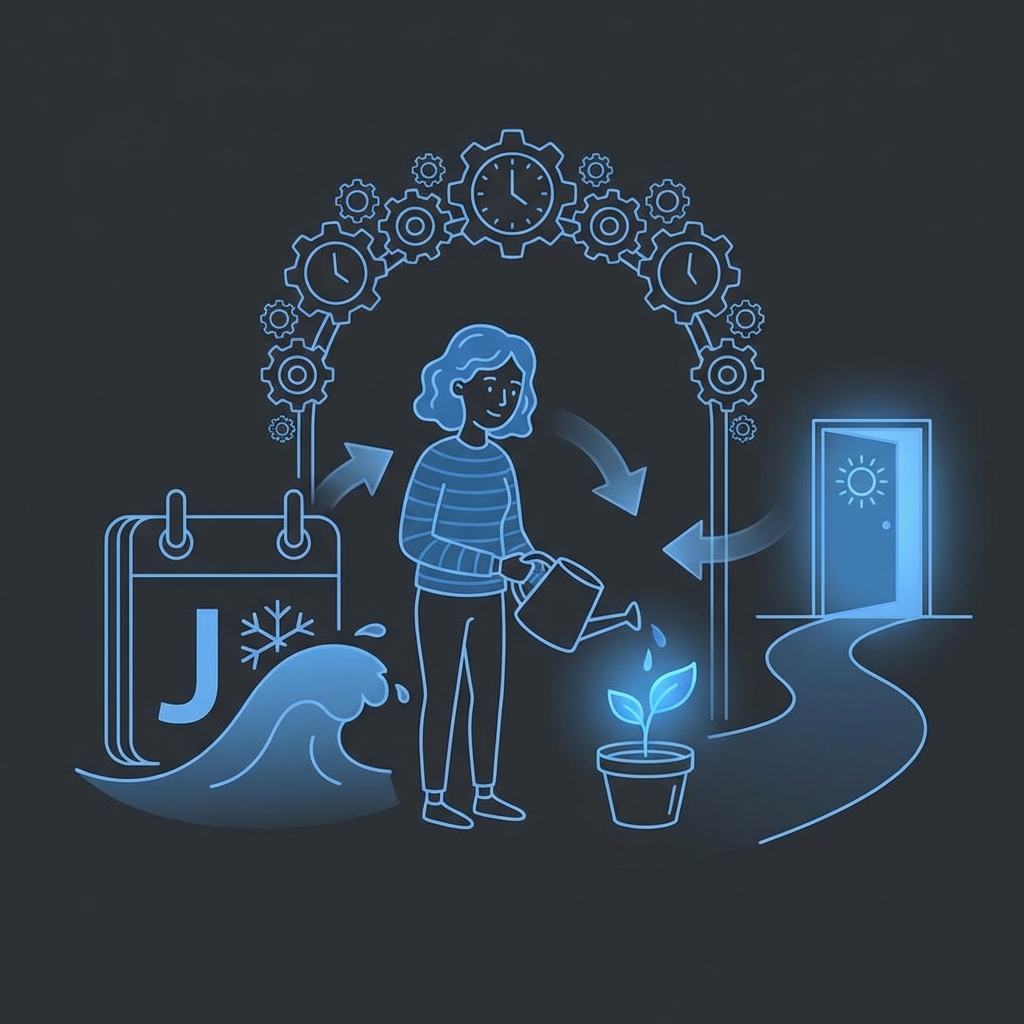
Designing relief instead of demanding transformation
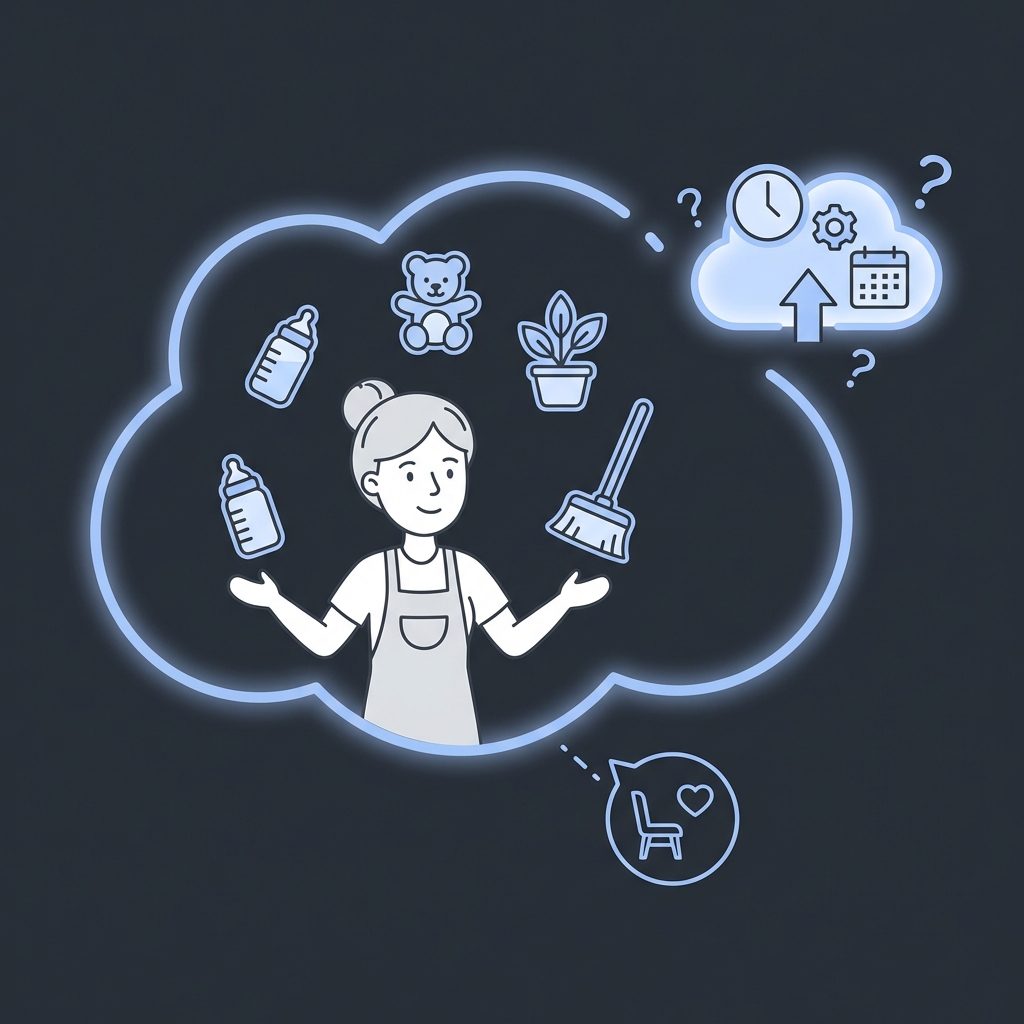
The work that keeps humans alive doesn’t fit the model
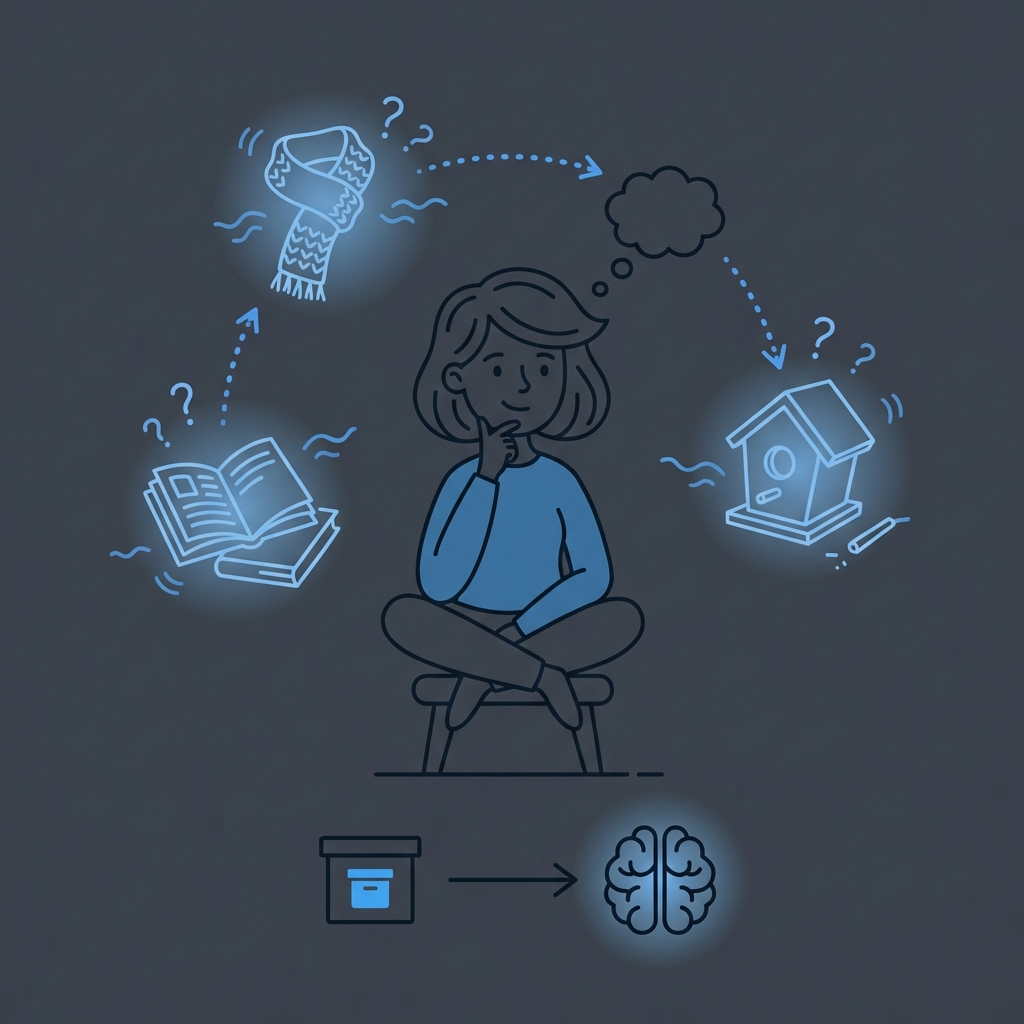
Open loops and the mind’s ‘background processes’
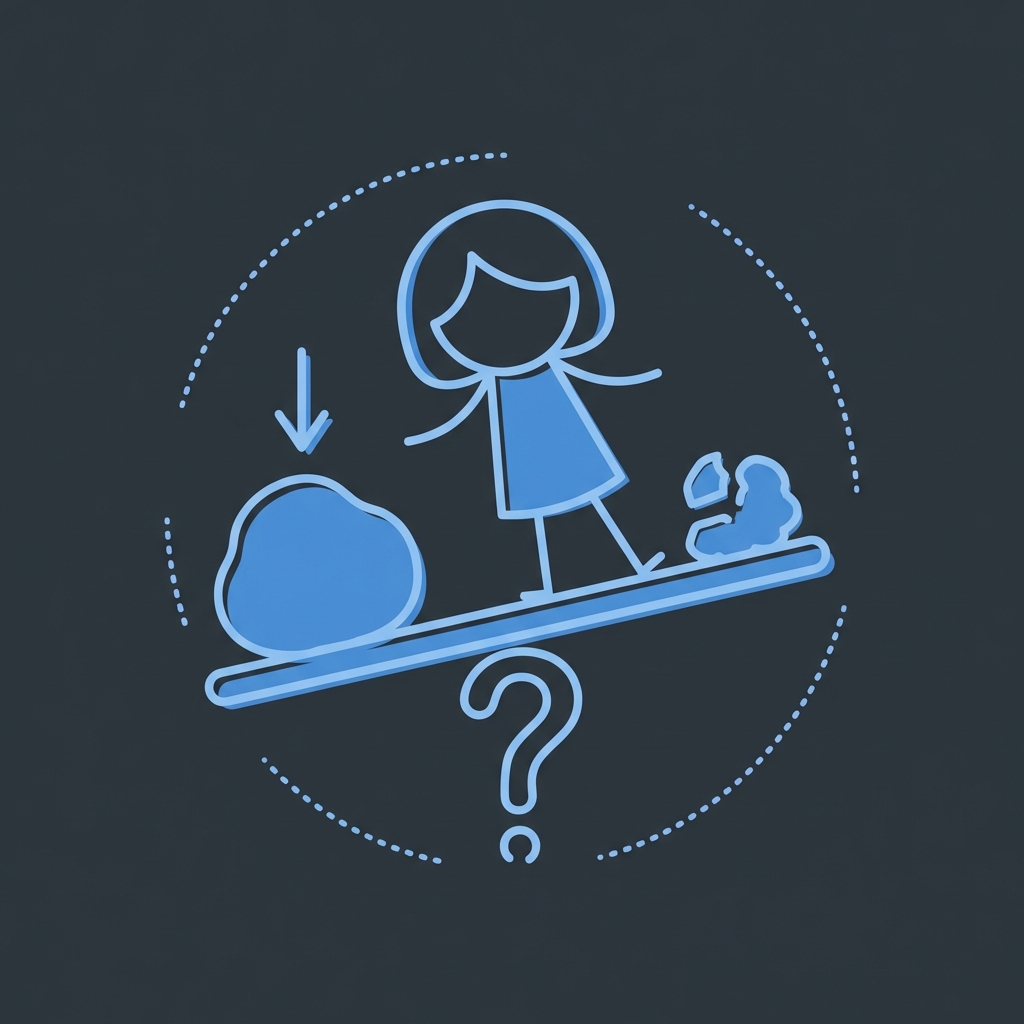
Integration is the real challenge
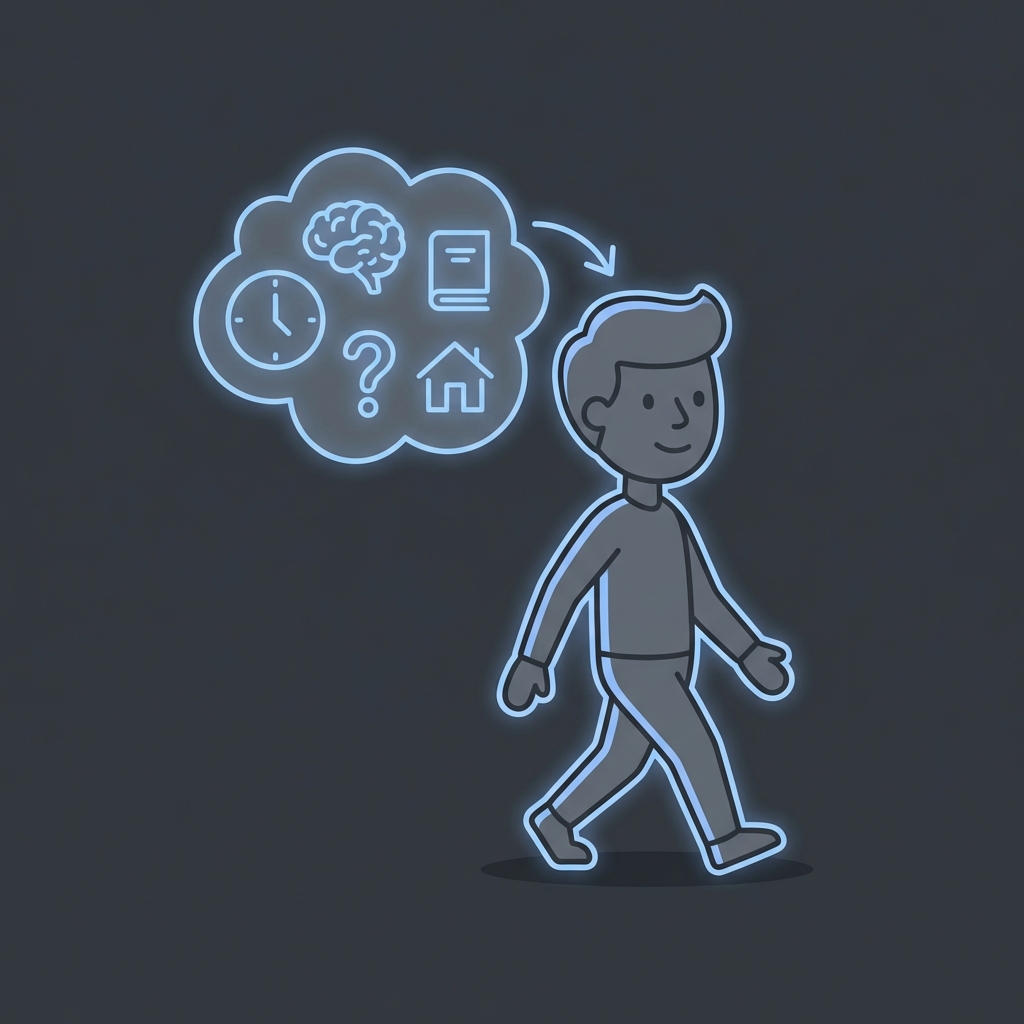
How ‘keeping track’ becomes a second job
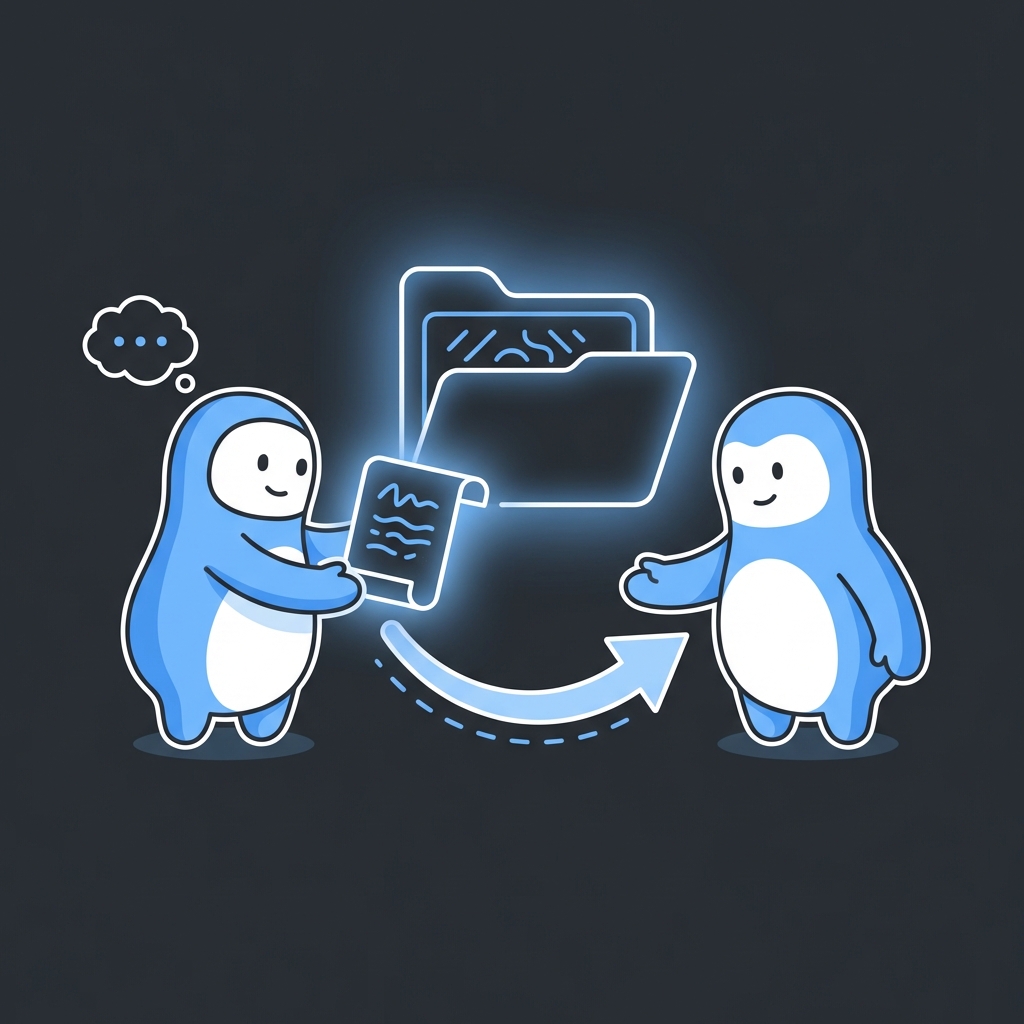
A kind way to renegotiate ownership at home or work
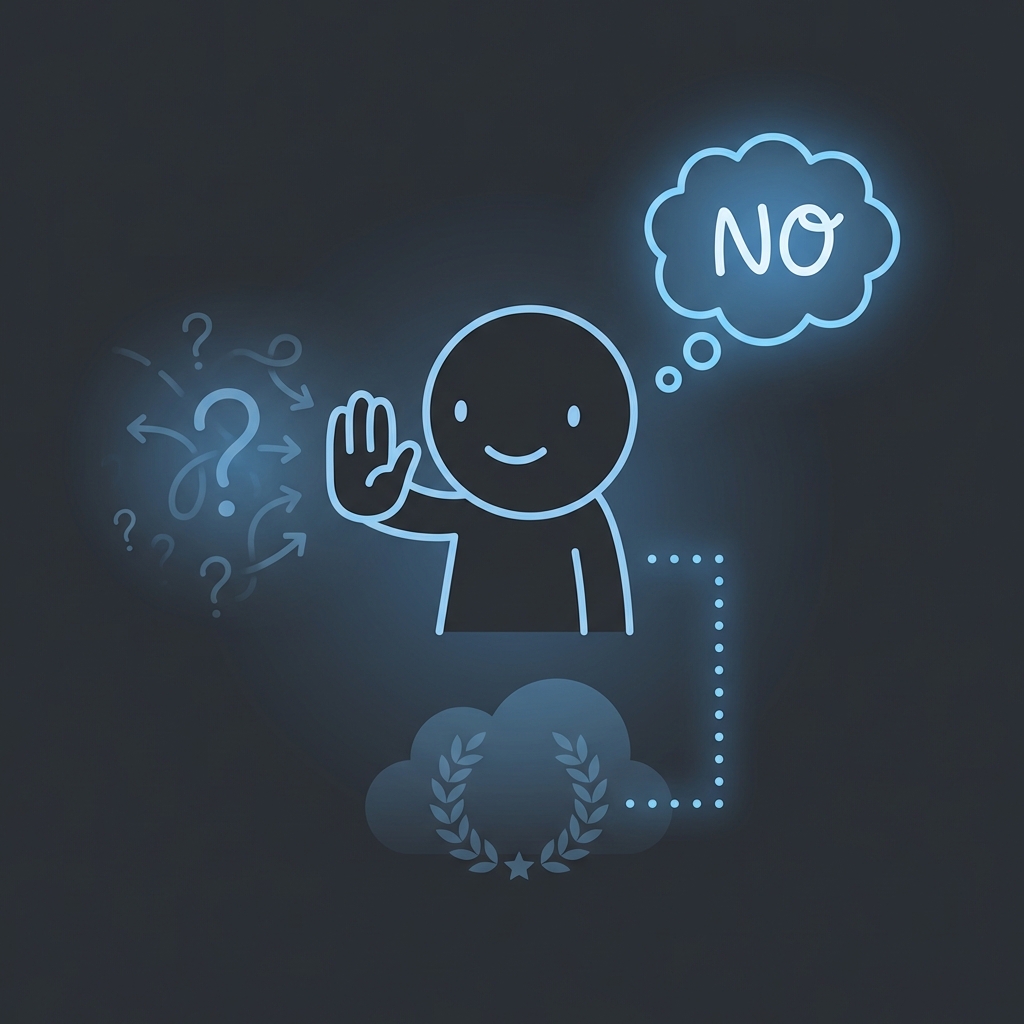
Boundaries are systems design
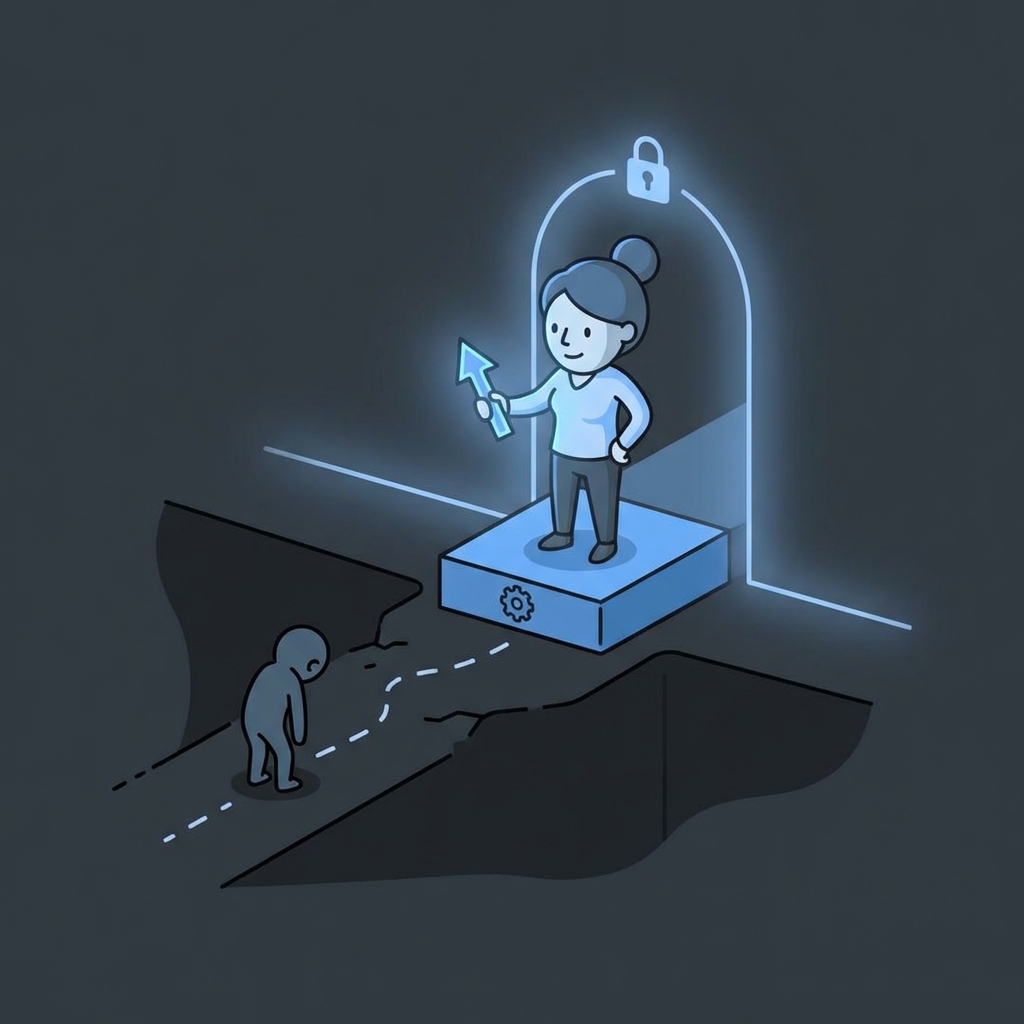
Why ‘just show up every day’ excludes most real lives
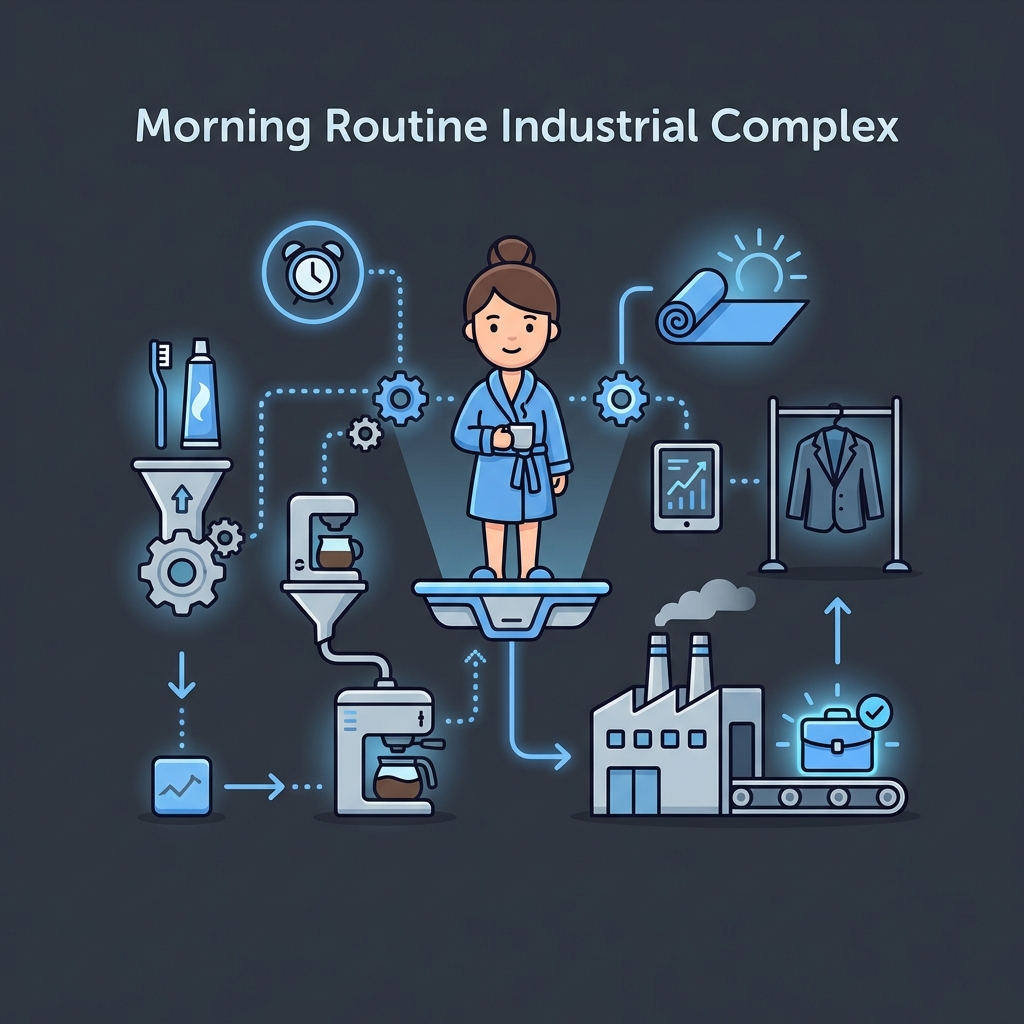
Routines aren’t bad—rigidity is
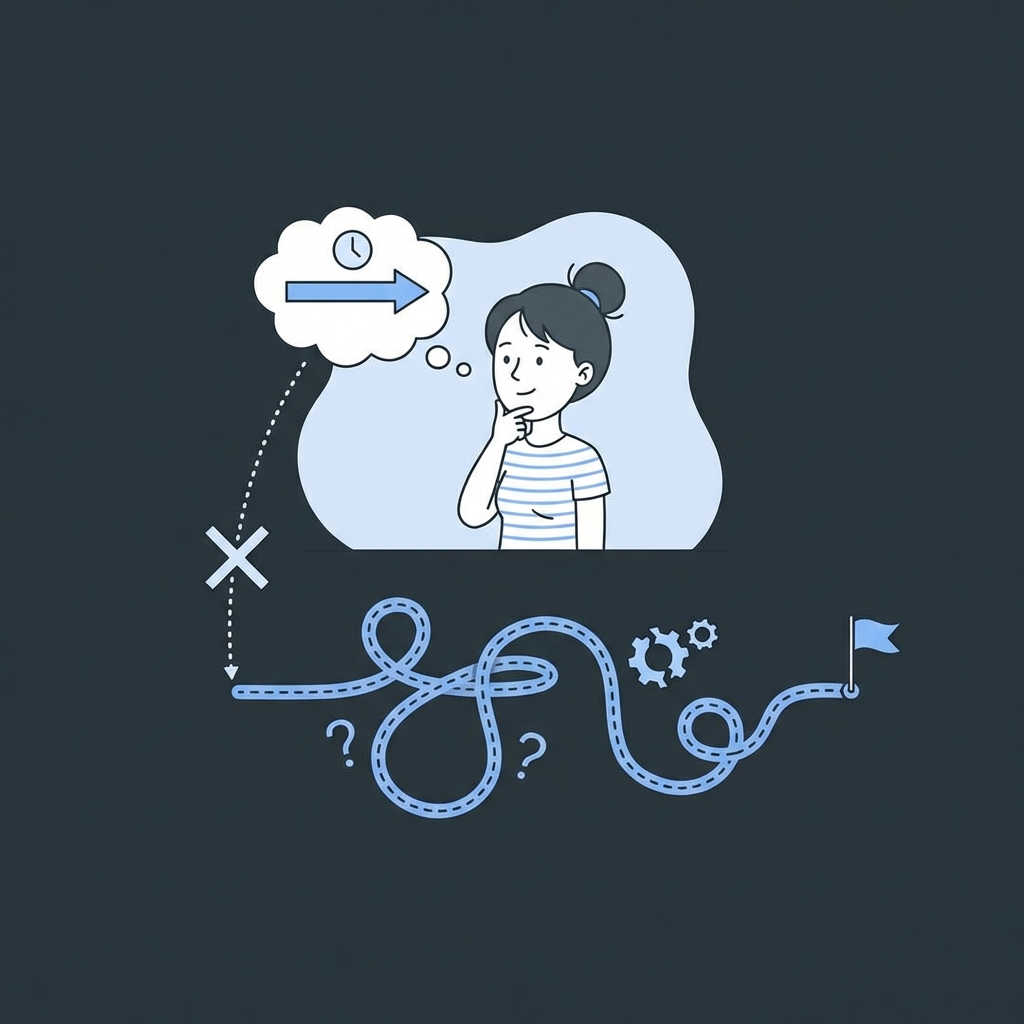
Even smart people underestimate time
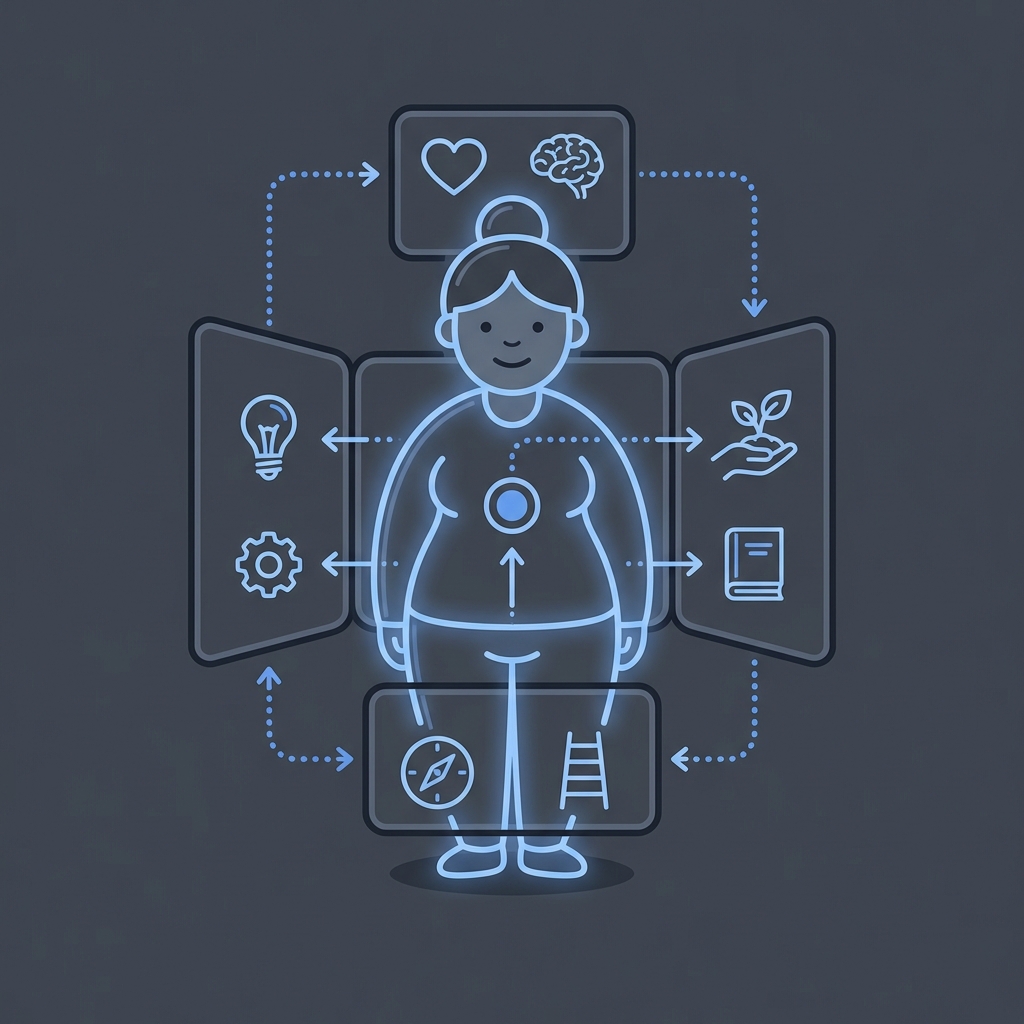
How to stop treating life like one scoreboard
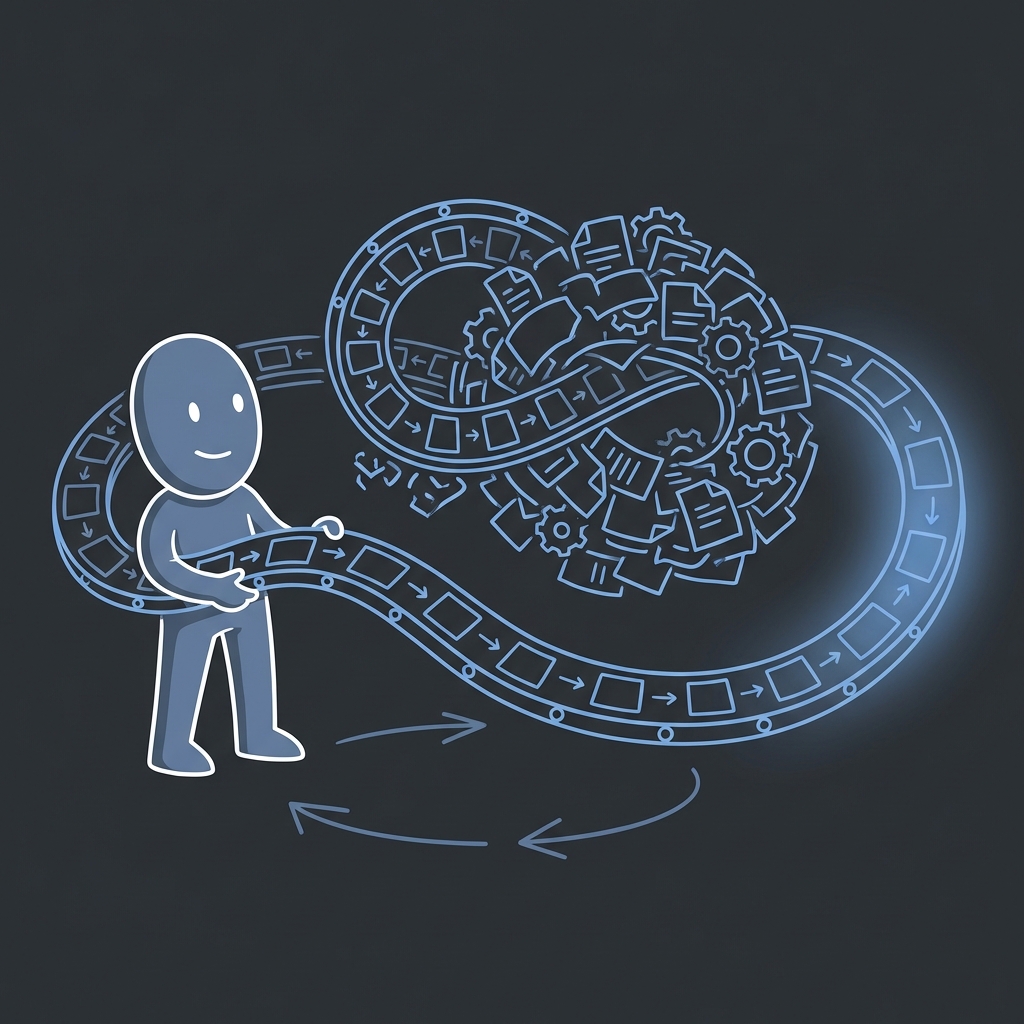
Why household work regenerates faster than you can finish it
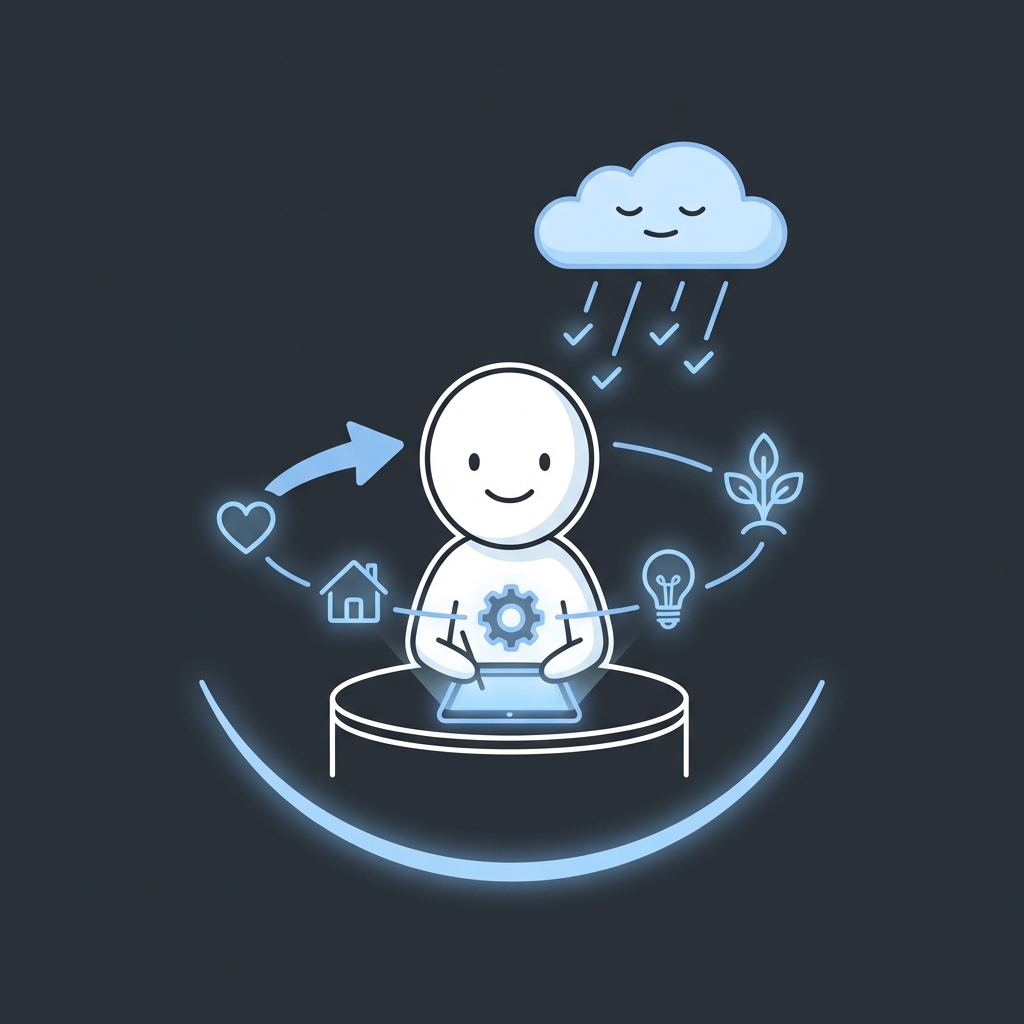
How to plan a week like a human
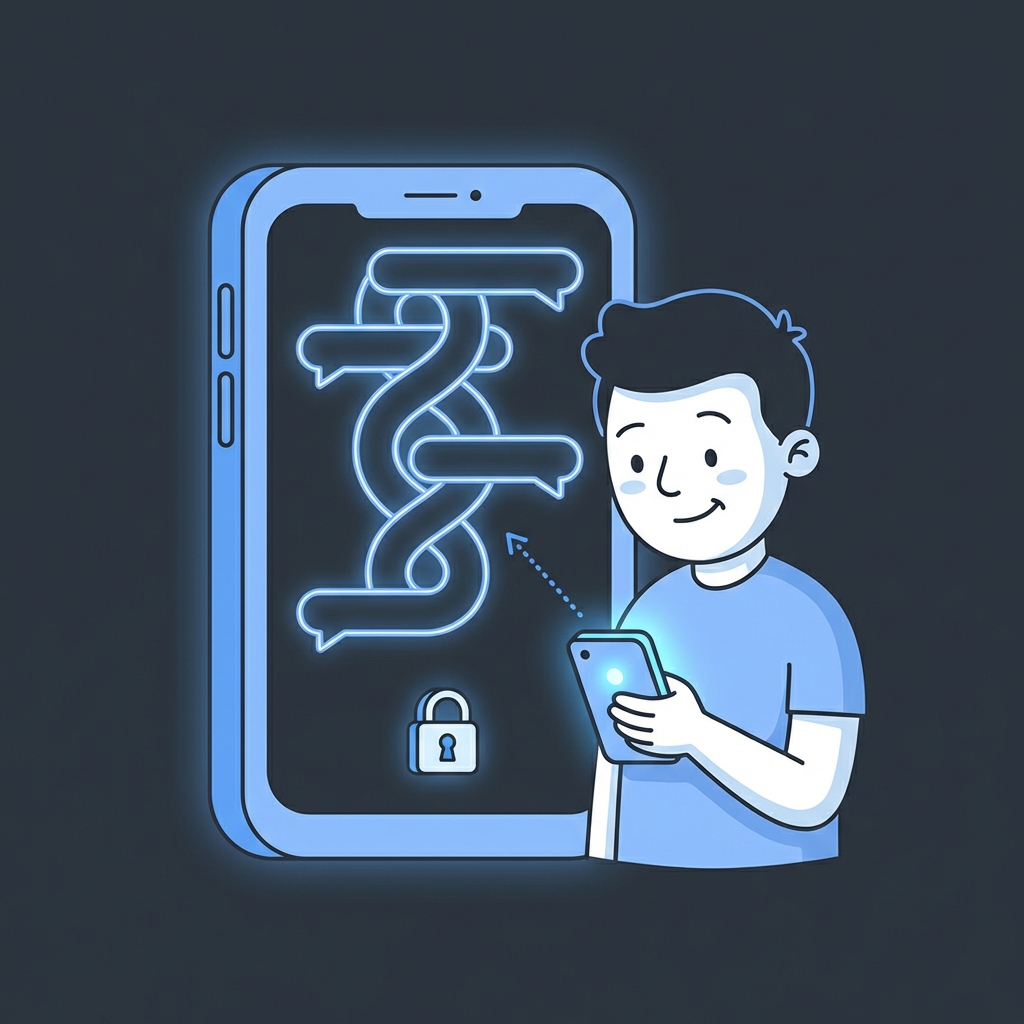
Open loops in relationship form
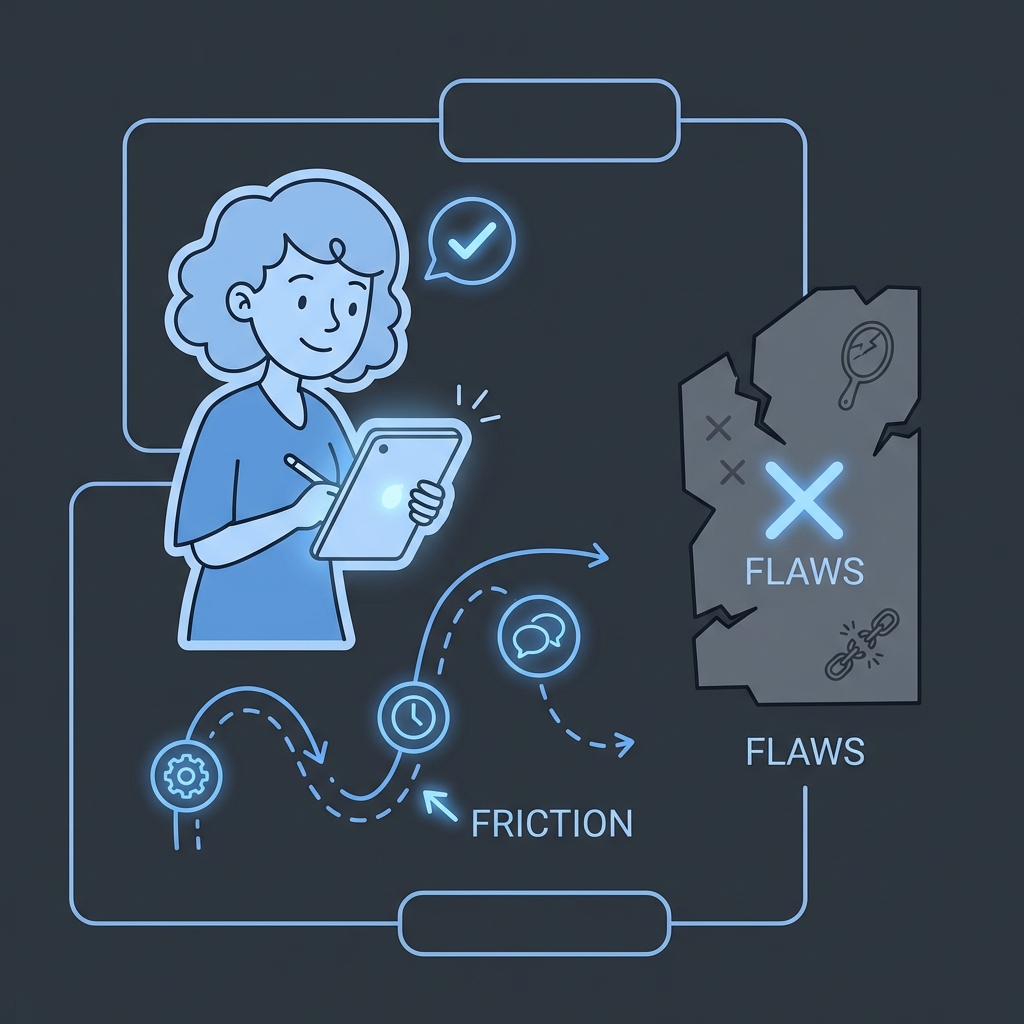
Why the problem is rarely motivation
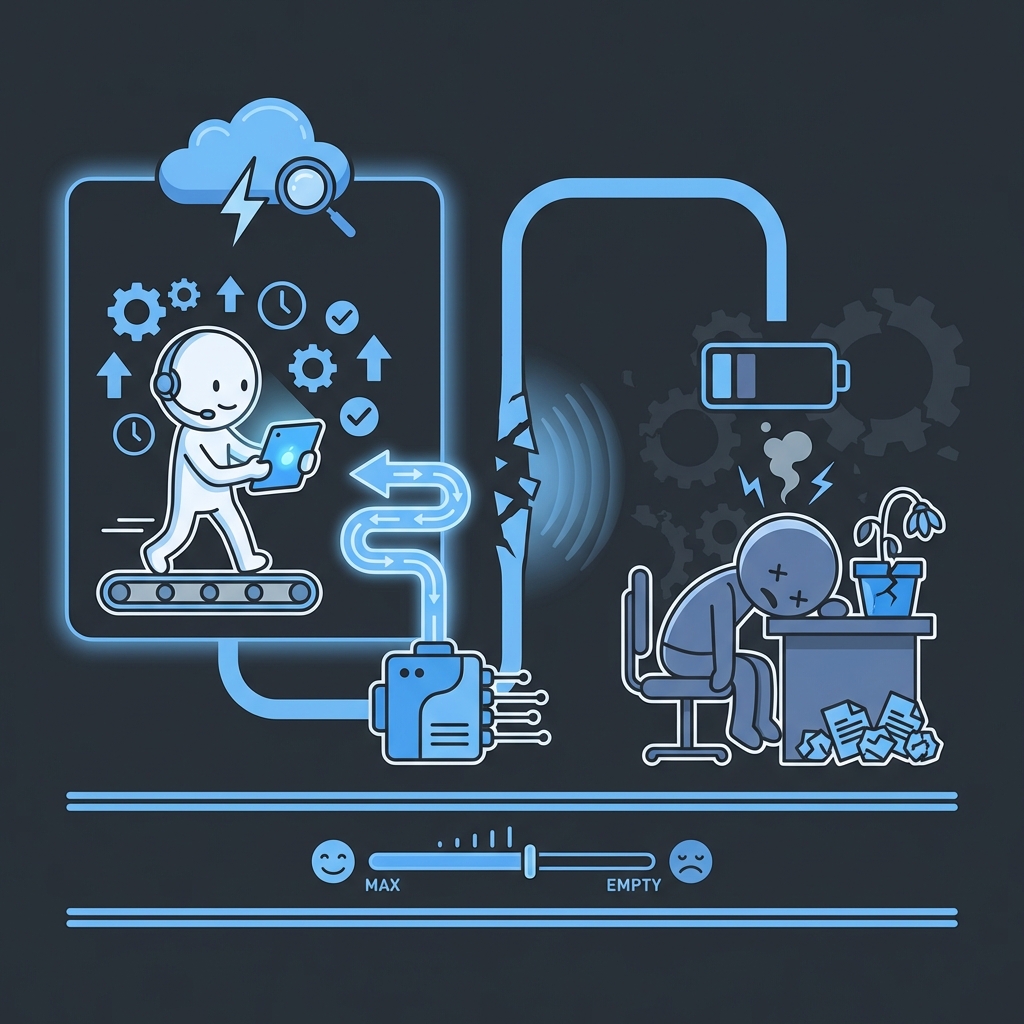
When ‘better’ becomes endless
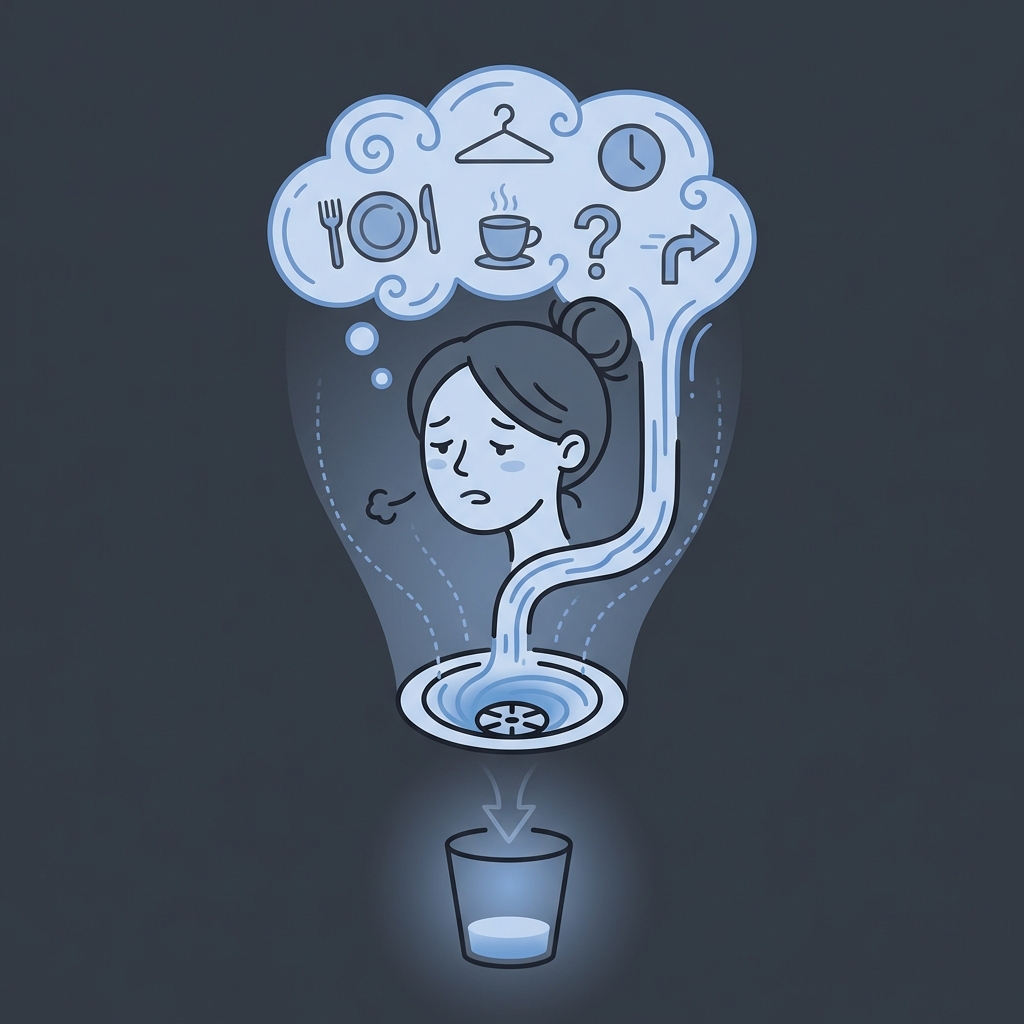
Why you’re exhausted before the day even starts
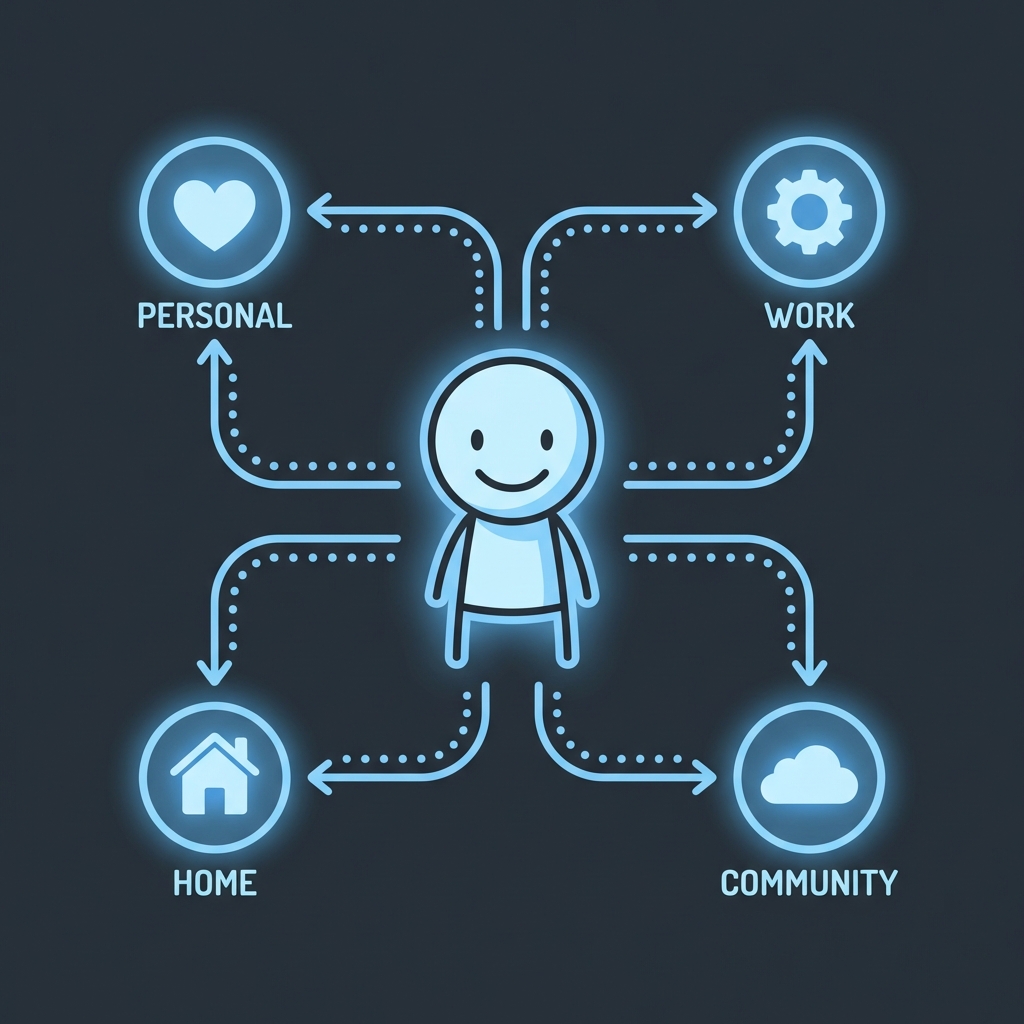
The reason one ‘small’ change can collapse everything
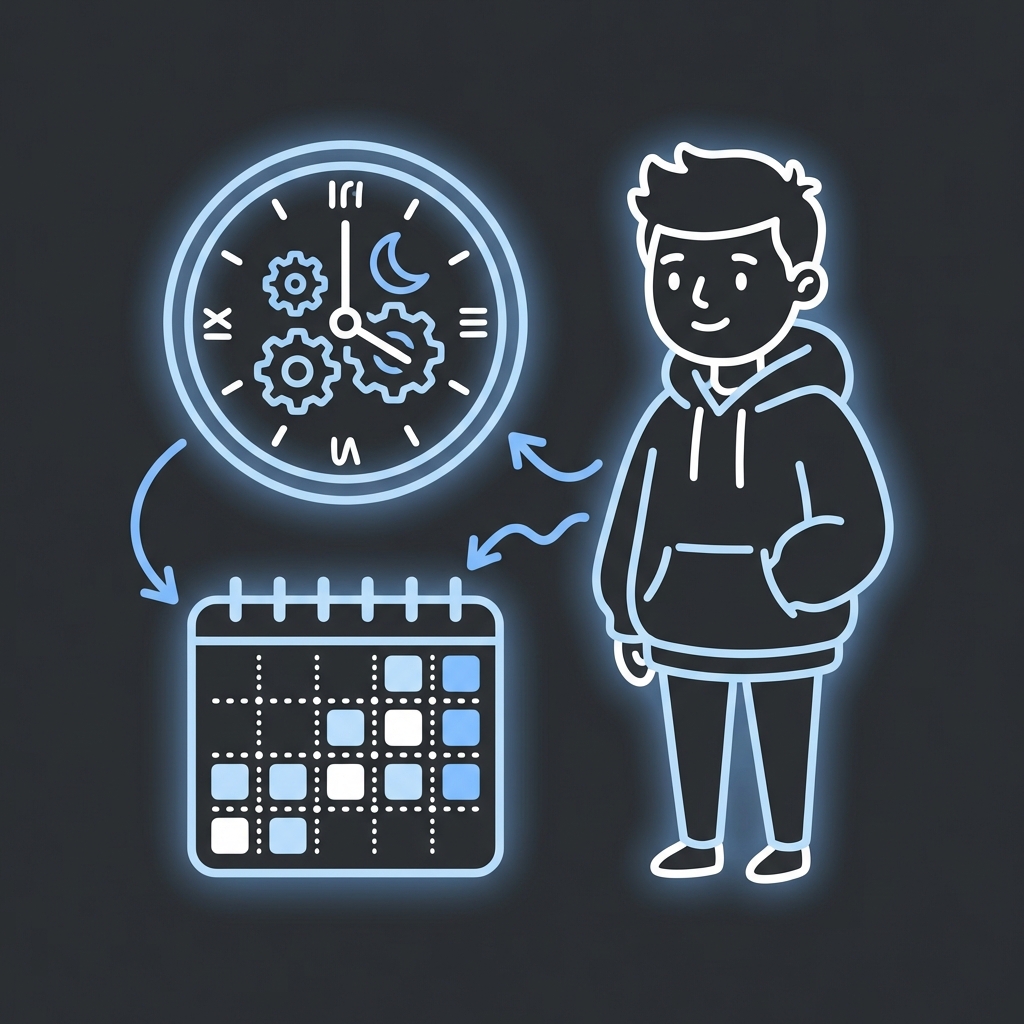
The planning work that happens before anything gets scheduled
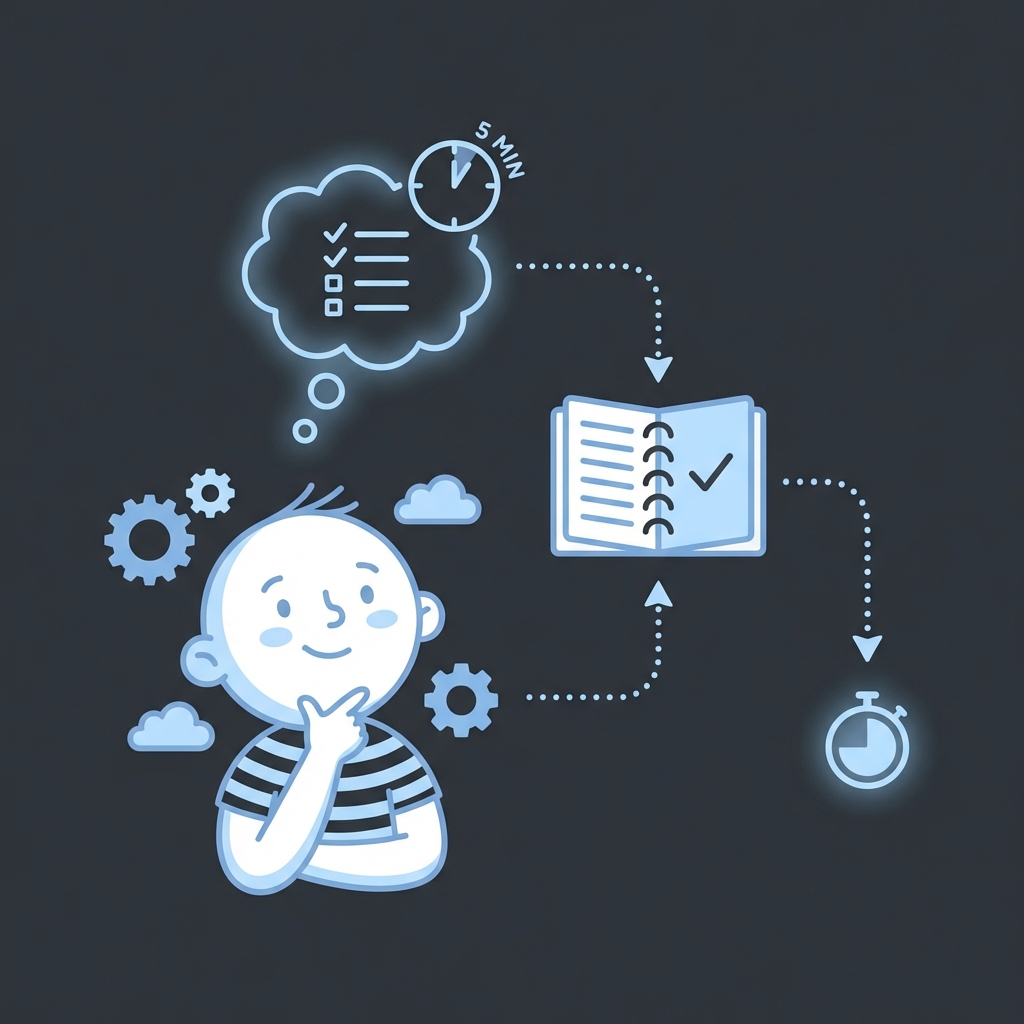
A gentle check-in you can do without a clipboard
You weren’t meant to be the infrastructure
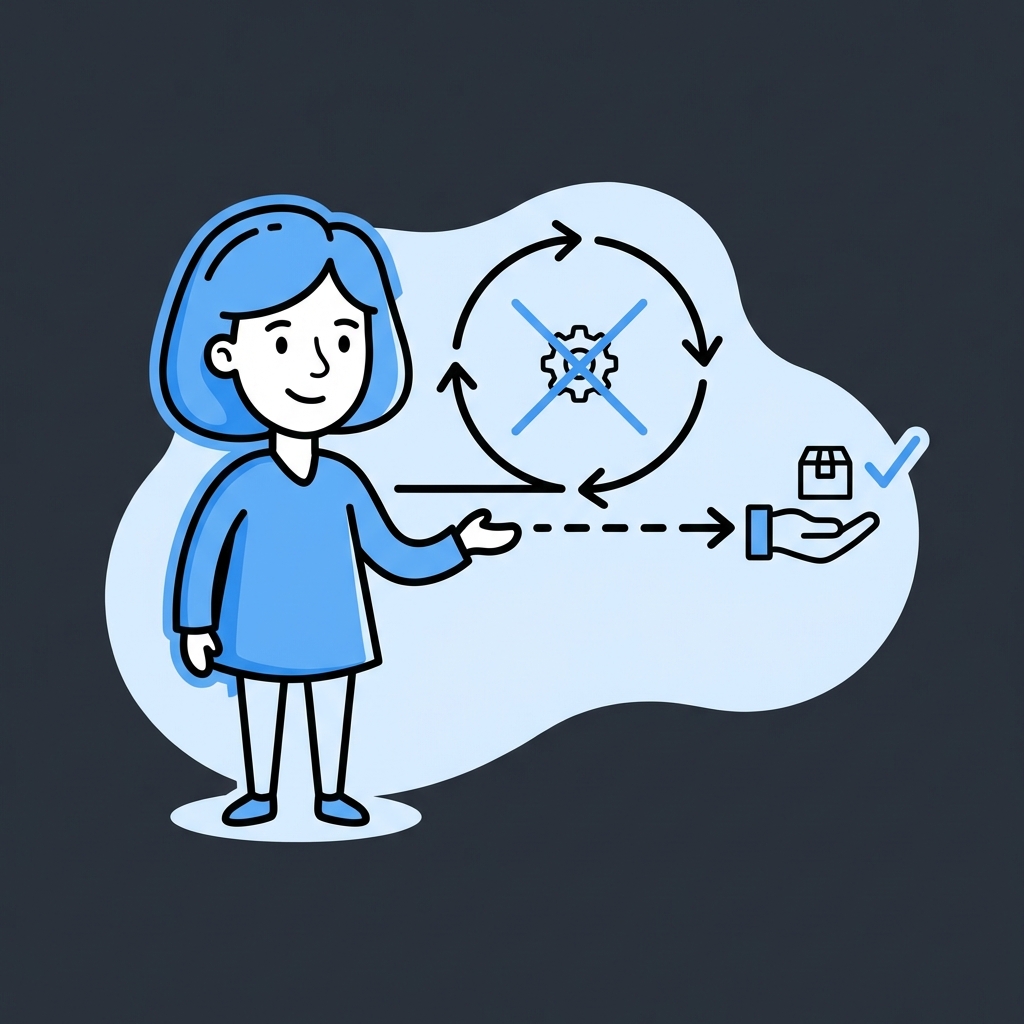
The missing step between ‘want’ and ‘do’
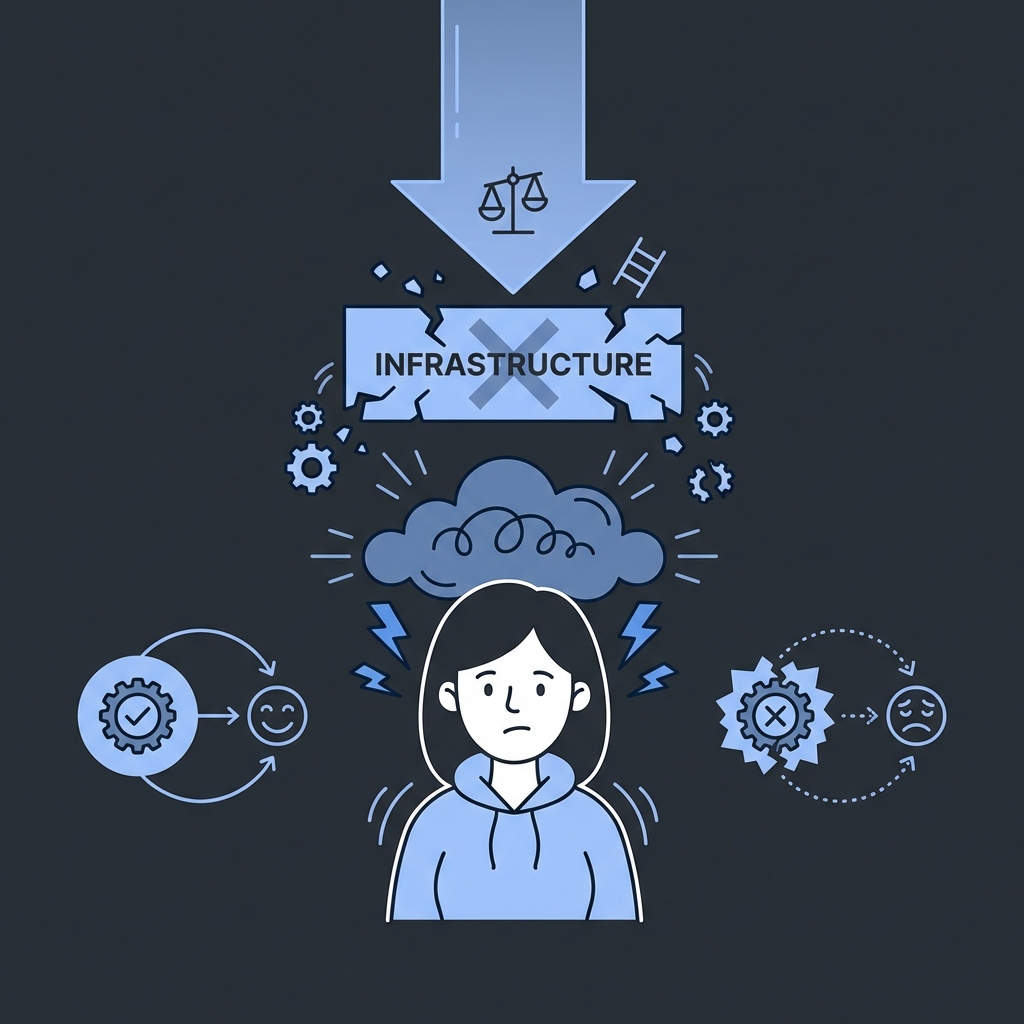
Why most ‘accountability’ feels like shame
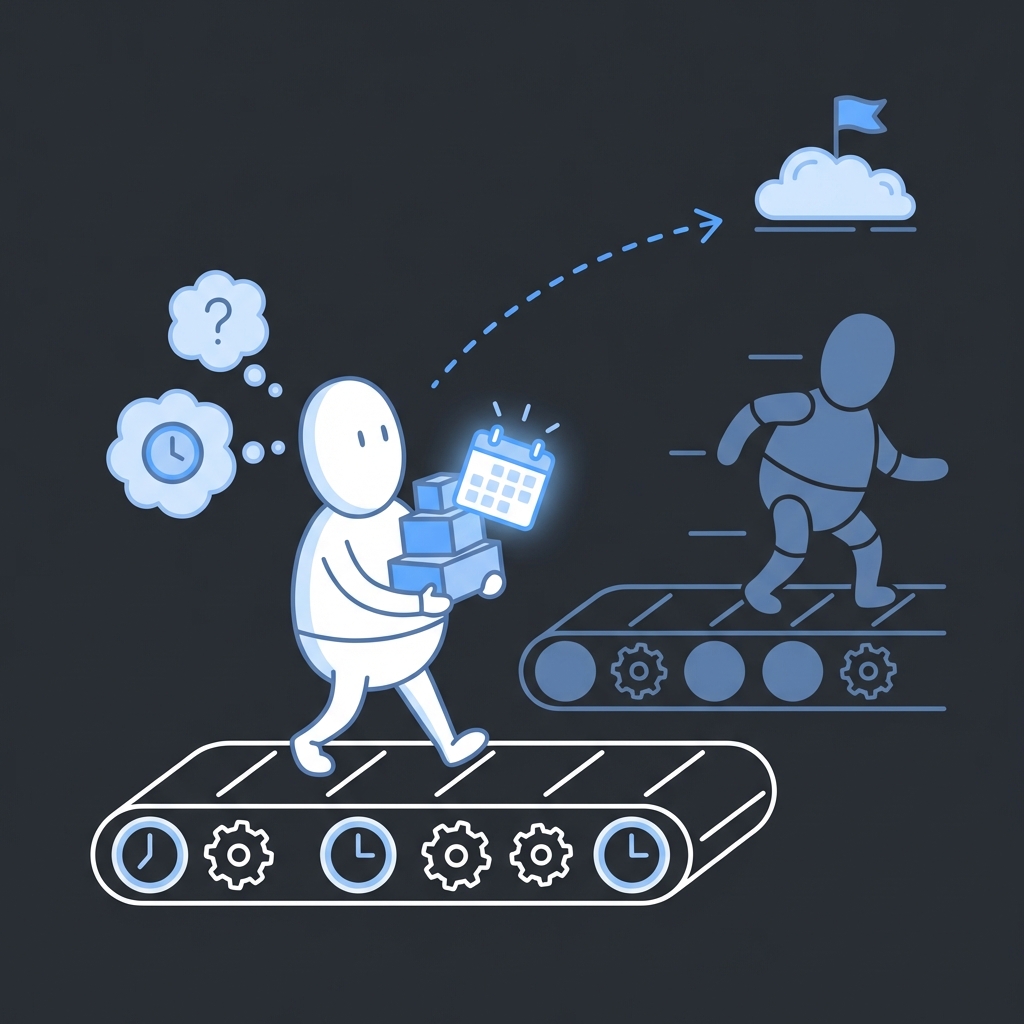
Cognitive overload is not a character flaw
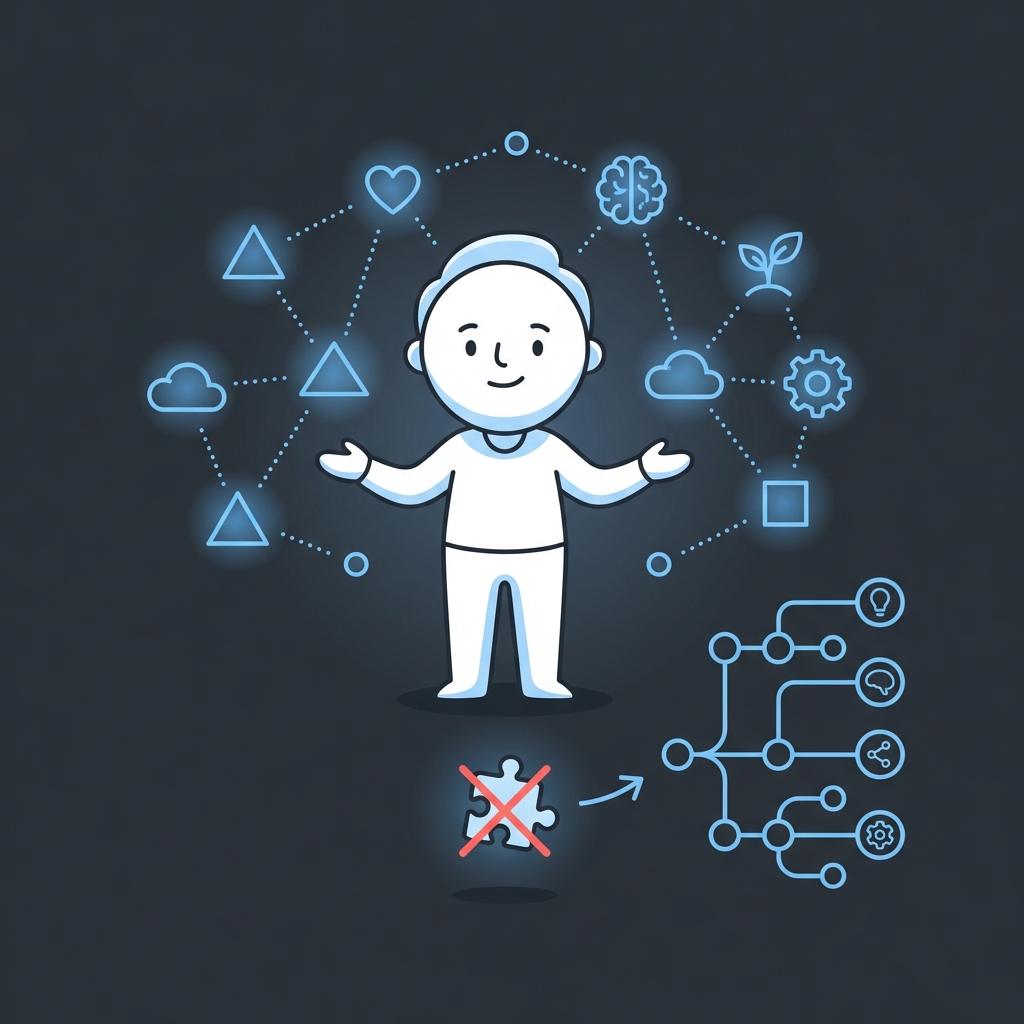
Why single-domain fixes keep breaking whole humans
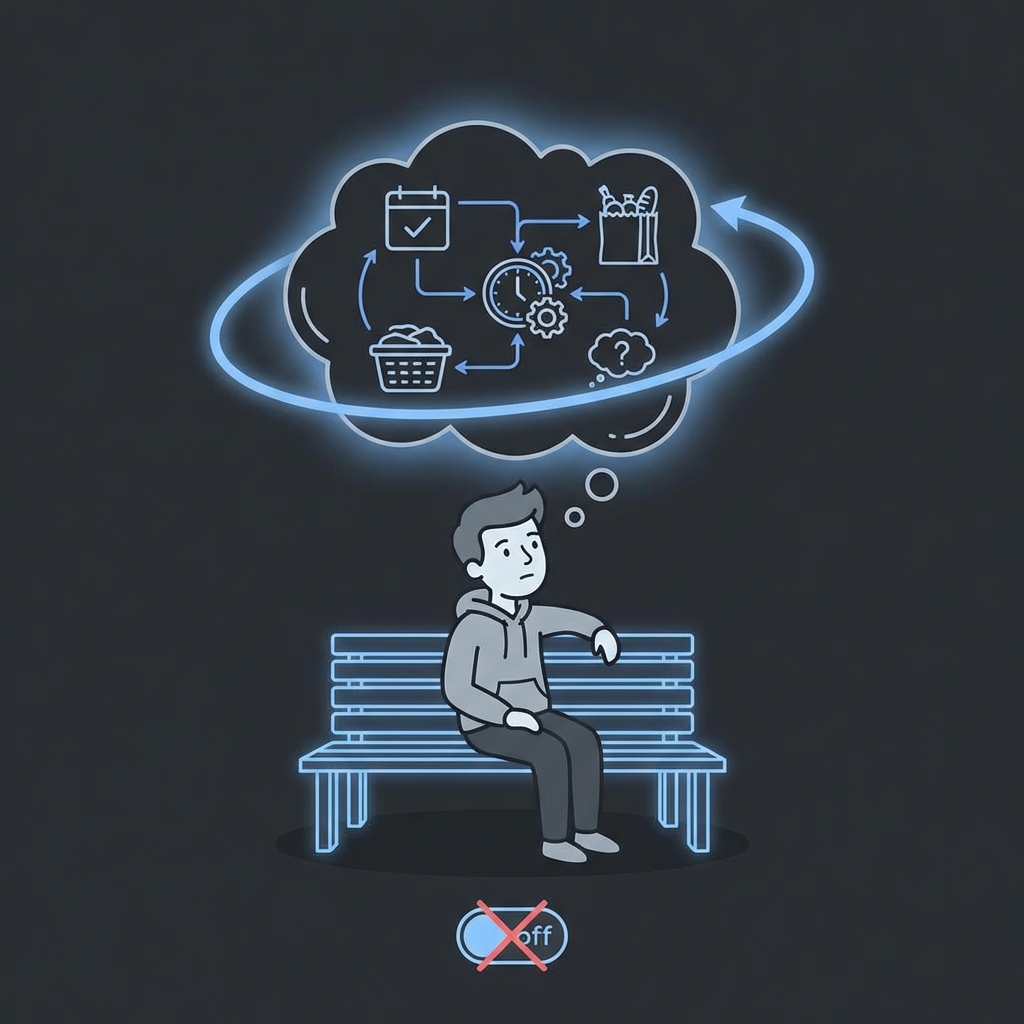
Why “starting fresh” ignores how life actually works

What you actually want more of (beyond productivity)
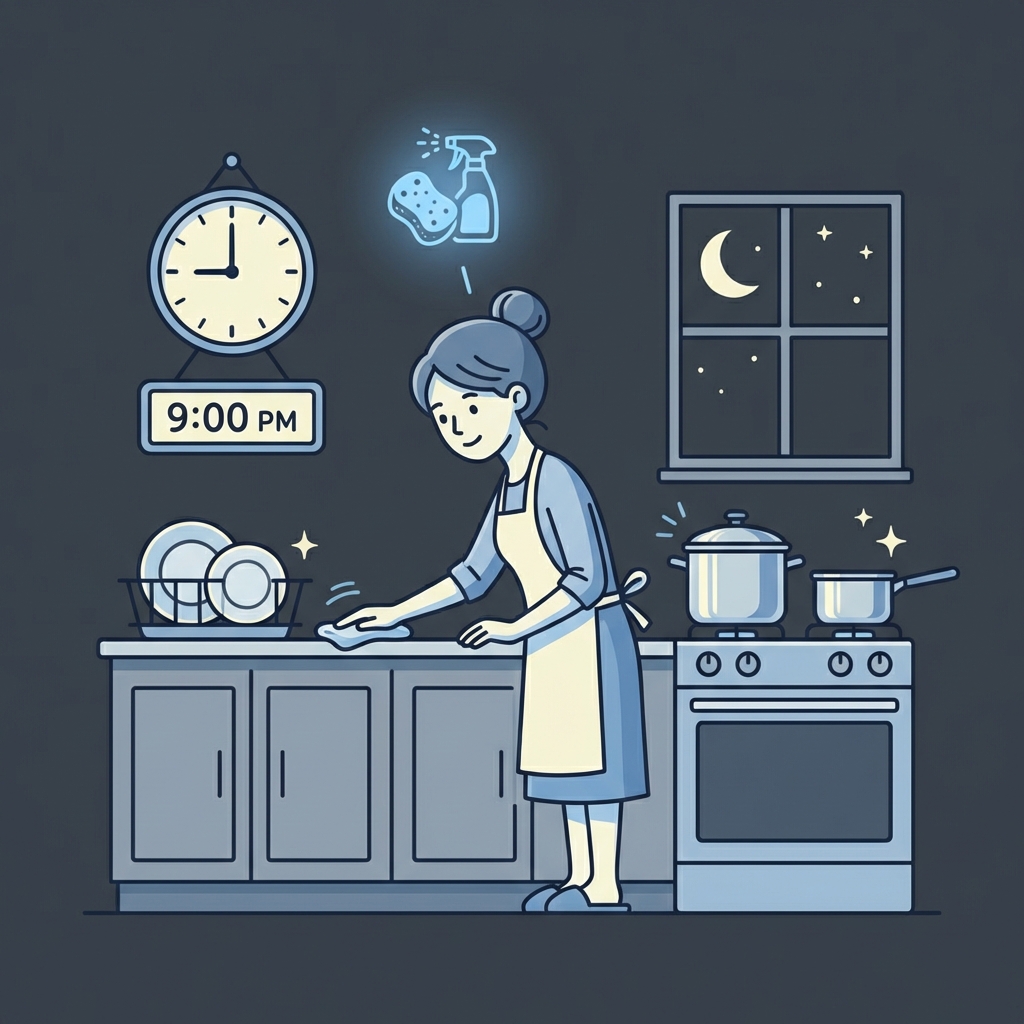
The work that happens after the work
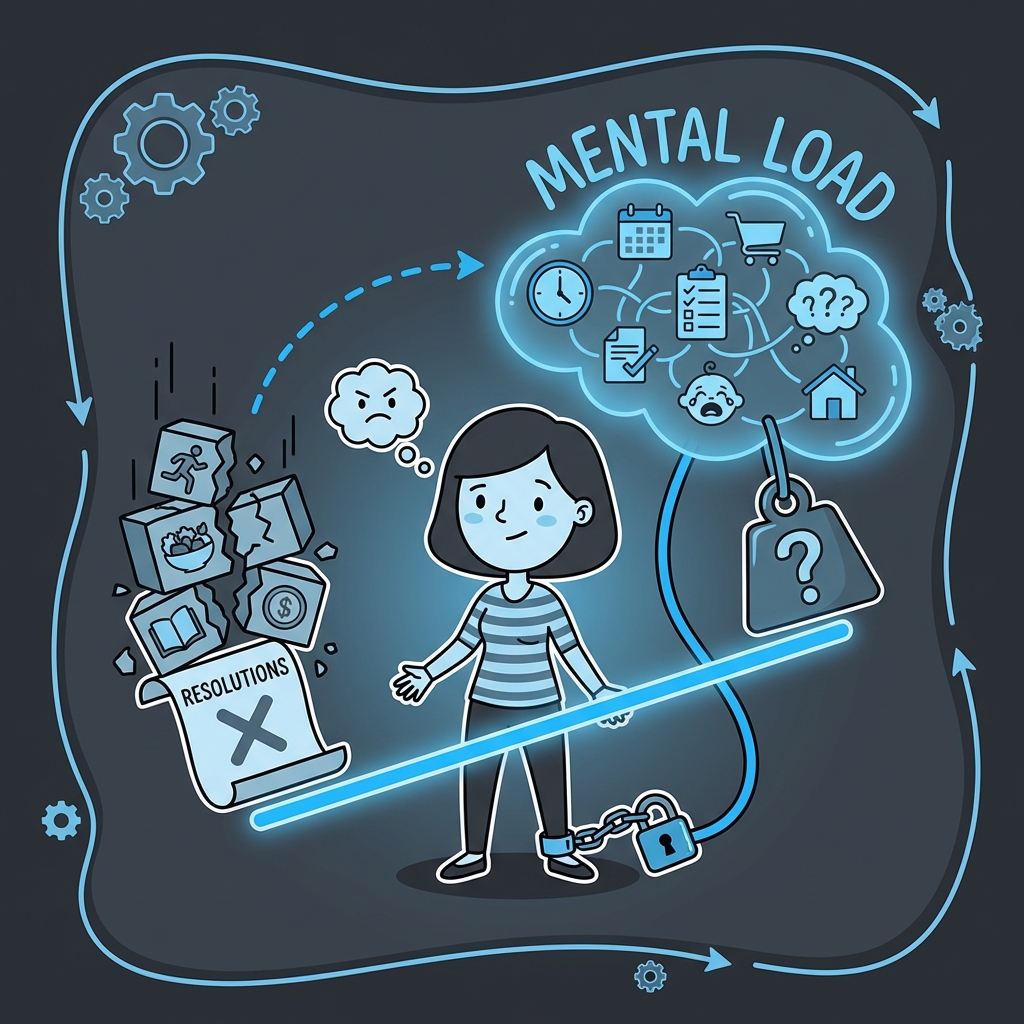
You didn’t need more discipline—you needed less to carry