The advice comes at you from every direction: Just show up every day. Small, consistent actions compound. The secret is never breaking the chain. It sounds so reasonable, so achievable. And for some people, in some seasons of life, it absolutely works.
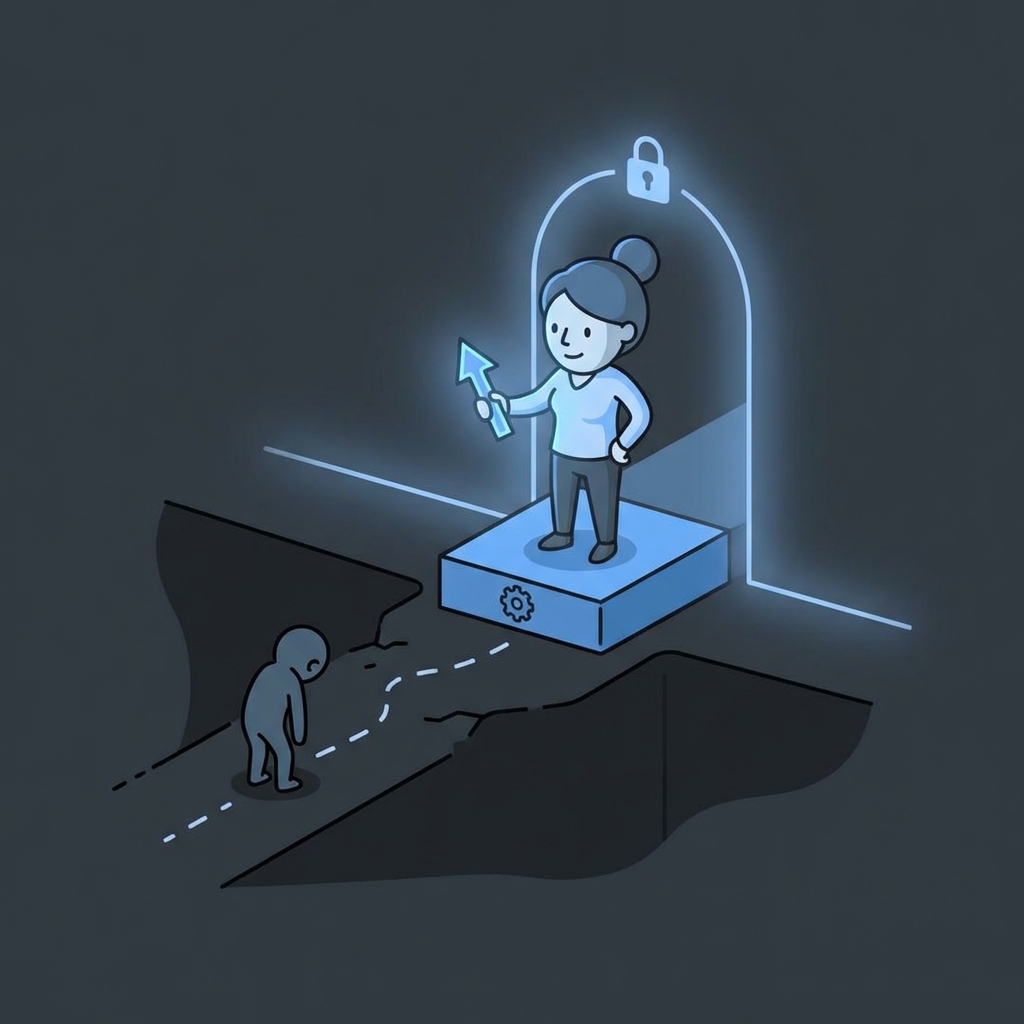
But for most of us living in the messy reality of modern life, consistency advice feels like a cruel joke. It assumes a level of stability that simply doesn’t exist when you’re juggling a sick kid, a work crisis, aging parents, or your own unpredictable energy levels. It treats variability as a character flaw rather than a fundamental feature of being human.
The problem isn’t that you lack discipline. The problem is that consistency culture was designed for a world that doesn’t exist—one where external circumstances remain stable, energy levels stay predictable, and support systems never falter.
The Fantasy of Stable Conditions
Consistency advice operates on several unspoken assumptions that reveal just how divorced it is from real life. It assumes you have reliable childcare, predictable work hours, and consistent energy levels. It assumes your health is stable, your relationships are drama-free, and your living situation doesn’t change.
Most importantly, it assumes that the primary obstacle to achieving your goals is your own lack of commitment rather than the genuine chaos of competing priorities and limited resources.
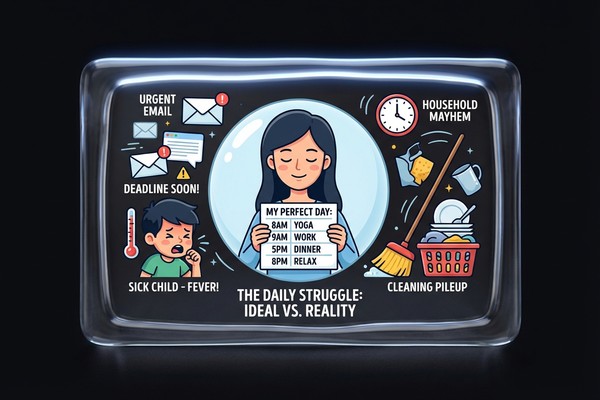
Take the popular “write 500 words every day” advice. It sounds simple until your toddler gets strep throat and you’re up all night. Or your parent has a medical emergency. Or you’re dealing with a depressive episode. Or work explodes with an urgent project. Suddenly, that simple daily habit becomes another source of guilt and self-criticism.
The consistency evangelists will tell you these are just excuses, that you need to “prioritize better” or “wake up earlier.” But this misses the fundamental point: life is inherently variable, and systems that can’t accommodate that variability aren’t robust—they’re fragile.
Real resilience isn’t about never breaking. It’s about being able to restart quickly when you do.
Why Variability Is Your Normal
Here’s what the consistency crowd gets wrong: variability isn’t a bug in your system—it’s a feature of being alive. Your energy fluctuates with your hormonal cycle, your sleep quality, your stress levels, and a dozen other factors beyond your control. Your available time shifts with family needs, work demands, and unexpected events.
This isn’t a personal failing. It’s the human condition.
Yet we’ve internalized the idea that successful people maintain perfect consistency, that any gap in our habits represents a character defect. We see the Instagram posts of people maintaining their morning routines for 365 days straight and assume that’s what success looks like.
What we don’t see are the support systems that make that consistency possible: the partner who handles morning kid duty, the flexible work schedule, the absence of major life disruptions during that particular year. We don’t see the privilege embedded in the ability to maintain perfect consistency.
Building for Resilience, Not Perfection
Instead of optimizing for consistency, we need to optimize for resilience. This means designing systems that can handle interruption, that can restart quickly after a break, and that provide value even when they’re not running at full capacity.
Resilient systems have three key characteristics: they have sustainable defaults, built-in fallback options, and low restart costs.
Your default should be the minimum viable version of your goal—something so small it feels almost silly not to do it. If your goal is to exercise regularly, your default might be putting on workout clothes. If you want to write more, it might be opening your document and writing one sentence.
These defaults aren’t meant to be your aspirational best. They’re meant to be what you can maintain even on your worst days. They keep the pathway open when everything else falls apart.
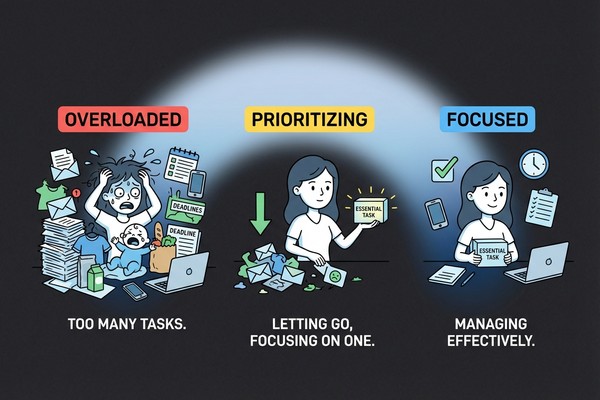
Fallback options are your backup plans for when even the default feels too hard. Maybe it’s just thinking about your project for two minutes instead of working on it. Maybe it’s reading one paragraph instead of writing. The point is to maintain some connection to your goal even when you can’t fully engage with it.
The Hidden Cost of Restarting
One of the biggest overlooked aspects of goal pursuit is restart cost—the mental and emotional energy required to get back into something after a break. Traditional consistency advice ignores this entirely, treating each day as independent. But anyone who’s tried to restart an exercise routine after a two-week break knows that’s not how it works.
High restart costs are why many people abandon goals entirely after missing a few days. It’s not that they don’t care anymore—it’s that the prospect of rebuilding momentum feels overwhelming.
Smart systems minimize restart costs by:
• Keeping materials visible and accessible
• Maintaining some minimal connection even during breaks
• Having clear, simple restart protocols
• Focusing on process over outcome when returning
When you do take a break (and you will, because you’re human), you want to be able to slip back in easily rather than having to rebuild everything from scratch.
The goal isn’t to never fall off the wagon. It’s to make the wagon easy to climb back onto.
Your Minimum Viable Version
Here’s a practical exercise: think of one goal you’ve been struggling to maintain consistently. Now define three versions of it:
Your aspirational version is what you’d do in ideal circumstances—plenty of time, high energy, no competing demands. Your default version is what you can realistically maintain most days, even when things are moderately chaotic. Your minimum viable version is what you can do even on your absolute worst days.
For a writing goal, this might look like: aspirational (write for two hours), default (write 300 words), minimum viable (open the document and write one sentence). For fitness: aspirational (hour-long gym session), default (20-minute home workout), minimum viable (put on workout clothes and do five jumping jacks).
The magic happens when you give yourself full permission to do the minimum viable version and count it as success. This isn’t about lowering your standards—it’s about creating sustainable systems that can weather the storms of real life.
Systems That Keep Your Place
The best resilient systems don’t just accommodate interruption—they actively preserve your progress and context during breaks. This is where most habit advice falls short. It focuses on the doing but ignores the remembering, tracking, and mental overhead that makes goals sustainable.
Think about how a good bookmark works. It doesn’t just mark where you stopped reading—it helps you quickly remember where you were in the story, what was happening, what you were thinking about. Your goal systems need similar bookmarks.
This might mean keeping a simple log of what you were working on, what your next step was going to be, or what insights you had during your last session. It might mean setting up your space so you can see at a glance where you left off. The point is to reduce the cognitive load of restarting.
When life inevitably interrupts your routine, you want to be able to pick up the thread quickly rather than spending precious time and energy trying to remember where you were and what you were doing.
The best systems don’t just track what you did—they remember what you were thinking.
Real sustainability comes from building systems that work with your actual life rather than demanding that your life conform to some idealized version of consistency. It comes from recognizing that the ability to maintain perfect daily habits is itself a privilege, and that resilience—not consistency—is the real key to long-term success.
Your goals deserve systems that can handle sick days, work crises, family emergencies, and simple human variability. They deserve to survive the beautiful, chaotic, unpredictable reality of your actual life.
This article was created with collaboration between humans and AI—we hope you ❤️ it.