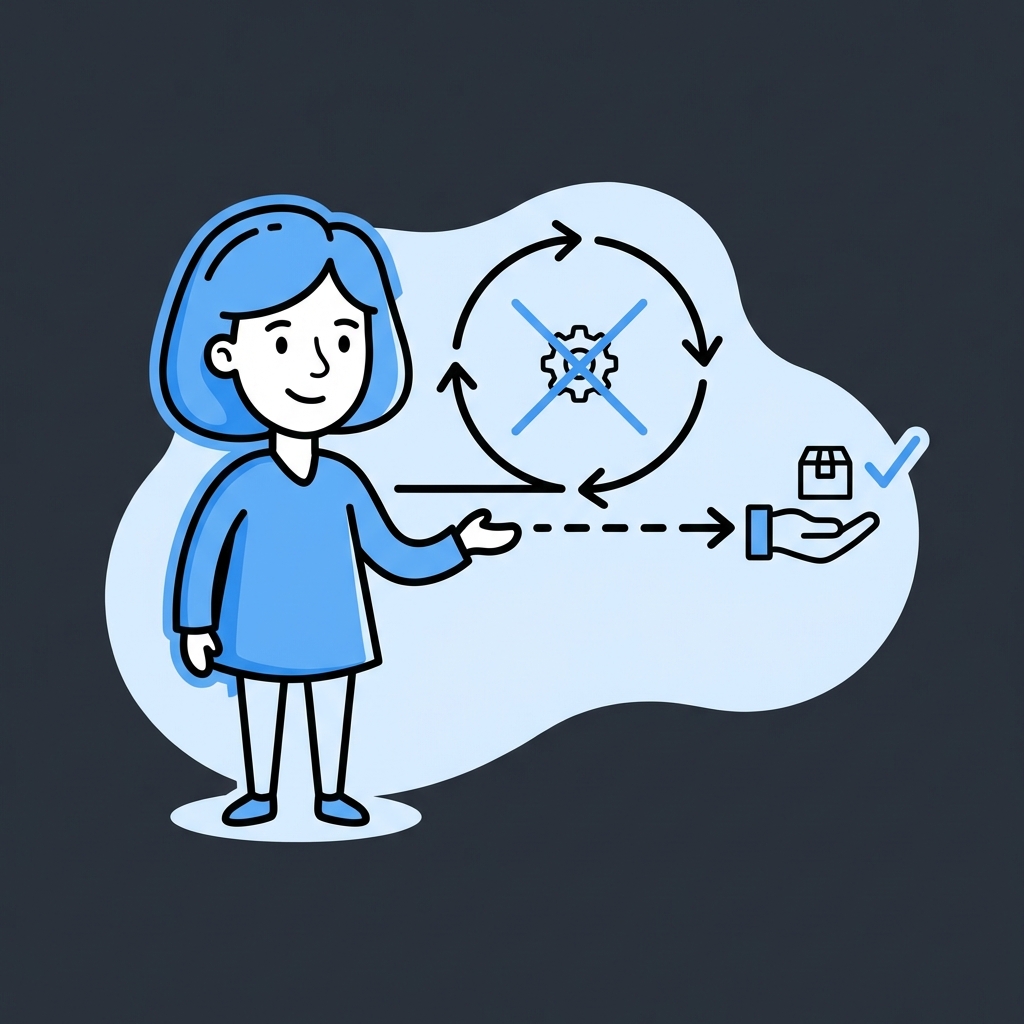
Every January, we make the same mistake. We decide we want to exercise more, eat better, or finally tackle that creative project. We download apps, buy planners, and promise ourselves this will be the year we stick to it. But here’s what we don’t do: we don’t ask who’s going to remember to schedule the workouts, prep the meals, or clear the calendar space for creativity.
We set habits without setting handoffs. And that’s why most of our good intentions die by February.
The productivity world loves to talk about habit stacking and morning routines, but it completely ignores the invisible infrastructure that makes any behavior sustainable. Someone has to remember. Someone has to plan. Someone has to follow through when things go sideways. And if that someone is always you, even your best habits become another thing you’re managing instead of something that’s actually helping you.
The Infrastructure Gap
Think about the last habit you tried to build. Maybe it was a weekly date night with your partner. Sounds simple enough—just block Friday evenings, right? But who actually handles the logistics? Who finds the babysitter, makes the reservation, remembers to confirm both, and has a backup plan when the sitter cancels last minute?
If you’re like most people, especially working parents, the answer is you. You become the default manager of your own good intentions. The habit might stick, but the mental load around it grows heavier, not lighter.
This is the infrastructure gap—the space between wanting something and having systems that reliably make it happen without your constant oversight. Most habit advice completely ignores this gap, which is why so many well-intentioned changes feel like they’re adding stress instead of reducing it.
The most sustainable changes aren’t the ones you remember to do—they’re the ones you no longer have to remember.
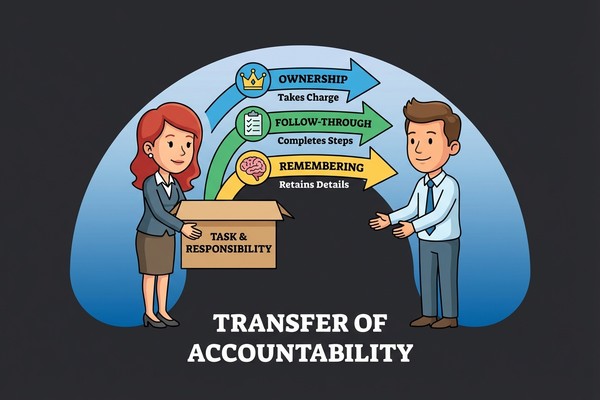
A handoff isn’t just delegation. It’s not asking your partner to “help more” or putting a recurring event on your calendar. A real handoff transfers the cognitive work—the remembering, the planning, the problem-solving when things don’t go according to plan.
What Makes a Handoff Real
Let’s be honest about what usually happens when we try to delegate. You ask your partner to handle dinner on Tuesdays. Great! Except now you’re still the one who notices when Tuesday rolls around and there’s no plan. You’re still the one who checks if ingredients are available. You’re still the one who suggests alternatives when they’re stuck.
You’ve assigned the task, but you’re still managing it. That’s not a handoff—that’s just distributed responsibility with you as the backup brain.
A real handoff has three components: ownership, context, and definition of done. Ownership means they’re not just doing the task, they’re managing it. Context means they understand not just what to do, but why it matters and how it fits into the bigger picture. Definition of done means you both know what success looks like without you having to check.
Take that Tuesday dinner example. A real handoff might look like this: your partner owns meal planning and grocery shopping for Tuesday dinners. They understand the context—maybe Tuesday is your late work day, or it’s when the kids are cranky, so dinner needs to be ready by 6 PM and kid-friendly. The definition of done is clear: dinner is planned, ingredients are available, and it’s on the table by 6 PM. If something goes wrong, they solve it without involving you.
The difference is profound. In the first scenario, you’ve created a recurring task for someone else but kept the mental load. In the second, you’ve actually transferred the cognitive work.
The Categories That Matter Most
Some handoffs have more impact than others. The highest-value handoffs tend to fall into a few key categories that touch multiple areas of your life:
Scheduling and calendar management: This includes not just putting things on the calendar, but managing conflicts, rescheduling when needed, and remembering to prep for upcoming events.
Administrative follow-through: Things like insurance claims, warranty issues, subscription management, and all those small tasks that require multiple steps over time.
Routine maintenance: Whether it’s household systems, car maintenance, or health appointments—the stuff that needs to happen regularly but doesn’t happen automatically.
The common thread? These are all areas where the remembering is often harder than the doing, and where dropping the ball has cascading consequences.
Beyond the Household
This isn’t just about domestic labor, though that’s where many people feel the pinch most acutely. The same principle applies to work, personal projects, and even self-care.
Maybe you want to stay more connected with friends, but you’re always the one initiating plans. A handoff might mean setting up a rotating system where different people in your friend group take turns organizing monthly get-togethers. Or if you’re trying to maintain better work-life boundaries, instead of relying on willpower to stop checking email at night, you might hand off evening client communication to a colleague or set up auto-responses that manage expectations.
The key insight is that sustainable change often requires changing who owns the remembering, not just changing your behavior.
You can’t habit your way out of a systems problem.
The One-Thing Challenge
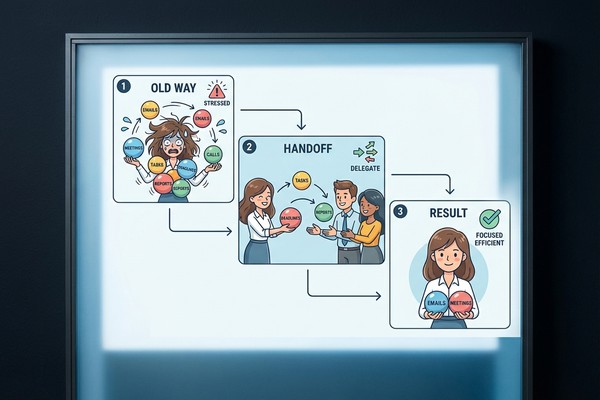
Here’s a practical place to start: choose one thing you’re currently the default manager for and design a real handoff around it. Not the biggest thing or the most obvious thing—just one thing that would genuinely reduce your mental load if someone else owned it completely.
Maybe it’s managing your family’s social calendar. Maybe it’s following up on work projects that are waiting on other people. Maybe it’s keeping track of when various subscriptions and memberships need to be renewed.
Whatever you choose, resist the urge to make it about efficiency or optimization. This isn’t about finding the fastest way to get things done. It’s about removing cognitive work from your plate entirely.
Ask yourself: What would it look like if I never had to think about this again? What context would someone else need to own this completely? How would we both know it’s working without me having to check?
When Handoffs Need Systems
Sometimes the best handoff isn’t to another person—it’s to a system that can actually own the follow-through. Traditional productivity tools often fail here because they still require you to remember to use them, update them, and act on what they tell you.
But emerging AI tools are starting to change this dynamic. Instead of just tracking your tasks, they can own outcomes. Instead of reminding you to do something, they can handle the doing. Instead of organizing your information, they can act on it.
The difference is crucial. A calendar reminder about your car’s oil change is still putting the cognitive work on you. A system that automatically schedules the appointment, confirms it, and handles rescheduling if needed? That’s a real handoff.
This is where the future of mental load reduction lies—not in optimizing how we manage everything, but in transferring ownership of outcomes to systems that can truly hold them without our supervision.
The goal isn’t to become more efficient at carrying everything. It’s to carry less. And that starts with recognizing that the most powerful change you can make isn’t building better habits—it’s building better handoffs.
Because at the end of the day, the habits that stick aren’t the ones you’re disciplined enough to maintain. They’re the ones you no longer have to maintain at all.
This article was created with collaboration between humans and AI—we hope you ❤️ it.